Over the past thirty-six months, two distinct groups of Americans have collided with the same domestic surgical wall. The first group includes women seeking autologous microsurgical DIEP flap breast reconstruction after mastectomy, patients living with disfiguring trauma scars, or adults suffering chronic skin breakdown after losing 80 to 130 pounds on semaglutide, tirzepatide, or bariatric bypass—only to have US commercial insurers classify circumferential skin excision as “non-covered cosmetic contouring” and hand them a $32,000 self-pay estimate. The second group comprises elective facial and body-contouring patients priced out of $28,000 Manhattan or Beverly Hills quotes, yet understandably rattled by news reports of anesthesia emergencies, mycobacterial infections, and zero-ICU strip-clinic transfers across bargain border destinations in Tijuana or Santo Domingo.
That safety-versus-cost squeeze explains why savvy North American patients are looking toward hospital-based plastic and reconstructive departments in Bandra (Mumbai) and Saket (South Delhi). Rather than operating inside standalone office suites where patients are wheeled out to a recovery hotel ninety minutes after five hours of lipoabdominoplasty, India’s senior MCh-qualified plastic surgeons perform major body and microsurgical cases inside 300-to-700-bed tertiary hospitals backed by 24/7 NABL blood banks, board-certified MD cardiac/general anesthesiologists, and surgical High-Dependency Units (HDUs).
Using Medical Tour’s 2026 surgical tariff dataset, this audit breaks down hospital-inclusive plastic and reconstructive pricing ($3,600–$6,900), MCh credential checks, Caprini thromboembolism safeguards, Indian visa category distinctions, and 13-day Jackson-Pratt drain timelines before a long-haul flight home.
Why Multi-Hour Body Contouring and Microsurgery Belong Inside a Full Tertiary Hospital
In the United States, escalating hospital facility fees—often $4,500 to $7,000 per operating hour—pushed the vast majority of private plastic surgeons out of full-service acute hospitals and into small single-room office operating suites. While a 90-minute upper blepharoplasty or minor scar revision runs safely in an outpatient office, six-hour circumferential 360-degree lower body lifts, large-volume VASER liposculpture combined with rectus diastasis plication, and microvascular free-flap reconstructions create genuine physiological fluid shifts, core hypothermia risks, and post-operative hemoglobin drops that demand overnight inpatient nursing.
Inside accredited Indian tertiary centers, inpatient overnight monitoring is built directly into the surgical bundle rather than rationed by the hour. Patients wake up in a staffed Post-Anesthesia Care Unit (PACU) with arterial blood gas testing down the hall, step into a Single Private Room fitted with Sequential Compression Devices (SCD calf pumps) on both legs, and receive scheduled IV hydration, multimodal non-opioid pain control, and morning complete blood counts before standing beside a physiotherapist on Day 1.
Patients whose skin laxity followed surgical weight loss—or who are evaluating staged metabolic and body-contouring journeys—should cross-reference our US-to-India Laparoscopic Bariatric Safety Guide and Metabolic Surgery Tariff Comparison to see how hospital-grade anesthesia standards govern every abdominal procedure. Microsurgical breast reconstruction illustrates that institutional divide starkly: during an autologous DIEP (Deep Inferior Epigastric Perforator) flap transfer, reconstructive surgeons harvest excess lower-abdominal skin and fat without sacrificing abdominal rectus muscle, then anastomose 1.5-millimeter perforator arteries and veins to internal mammary vessels under 16x Zeiss magnification. For the first forty-eight hours post-op, trained plastic surgery ward nurses check flap capillary refill and implantable Cook-Swartz venous Doppler signals every sixty minutes—specialized bedside vigilance impossible inside a strip-mall recovery house.
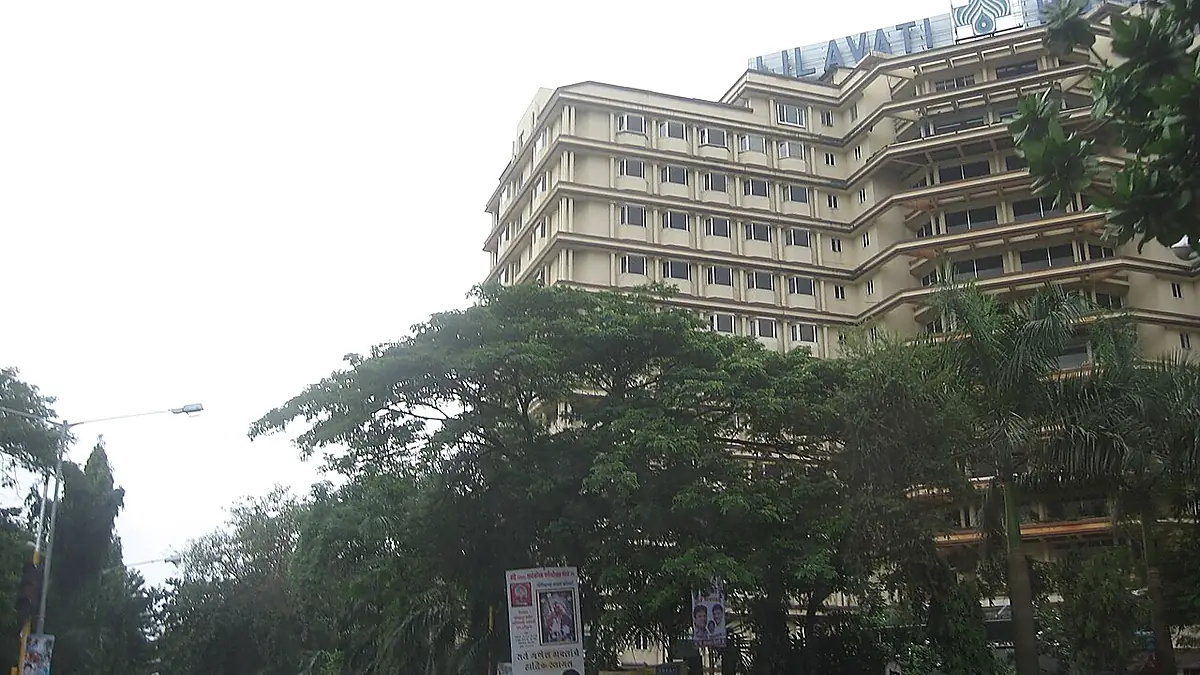
2026 Surgical Tariff Comparison: Mumbai & South Delhi JCI Suites vs US Quotes
Hospital-based plastic surgery packages in Mumbai, New Delhi, and Gurugram bundle surgeon and assistant fees, MD anesthesiologist charges, laminar-flow operating theater hours, surgical consumables, two to four inpatient private room nights (one night for rhinoplasty), and initial compression garments. Plug these figures alongside airfare and ten hotel nights into our Medical Trip Budget Planner to calculate net household savings.
| Reconstructive / Aesthetic Procedure | US Self-Pay Avg (Surgeon + OR + Anesthesia) | India Tertiary Hospital Package (USD) | Inpatient Nights & Technical Scope |
|---|---|---|---|
| Extended Abdominoplasty + VASER Flank Lipo (Tummy Tuck with Muscle Plication) |
$16,500 – $24,000 | $3,900 – $5,200 | 2–3 Hosp nights; rectus diastasis repair, umbilical transposition, ultrasonic contouring & Stage-1 garment. |
| Post-GLP-1 / Post-Bariatric 360° Belt Lipectomy (Circumferential Lower Body Lift) |
$26,000 – $38,000 | $5,400 – $6,900 | 3–4 Hosp nights; anterior apron + lateral thigh/buttock suspension, HDU fluid balance & hemoglobin check. |
| Microsurgical DIEP Flap Breast Reconstruction (Unilateral Autologous Abdominal Tissue) |
$38,000 – $62,000 | $6,200 – $8,800 | 5–6 Hosp nights; Zeiss microscope internal mammary vessel anastomosis + hourly handheld Doppler flap checks. |
| Ultrasonic Piezo Preservation Septorhinoplasty (Primary or Functional Rib-Cartilage Revision) |
$14,500 – $23,000 | $3,600 – $5,100 | 1–2 Hosp nights; piezoelectric bone sculpting without hammer fractures, septal airway repair & Day-7 splint removal. |
| Deep-Plane Facelift & Platysmaplasty Neck Lift | $24,000 – $42,000 | $4,800 – $6,700 | 2 Hosp nights; sub-SMAS ligament release (natural tension-free jawline without wind-tunnel pull) & drain care. |
| Breast Reduction / Mastopexy Lift (+ FDA Implants) | $13,500 – $20,500 | $3,600 – $5,400 | 1–2 Hosp nights; Mentor or Motiva Ergonomix FDA/CE gel prostheses adds ~$950–$1,350 at sticker invoice cost. |
Transparent Exclusions to Confirm on Your Proforma Estimate
If your procedure incorporates imported silicone implants (Mentor MemoryGel Xtra or Motiva), acellular dermal matrix (ADM) mesh, liposomal bupivacaine (Exparel-equivalent transversus abdominis plane nerve blocks for 72-hour opioid-free tummy-tuck comfort), or autologous rib-cartilage harvesting in secondary revision rhinoplasty, confirm whether those consumables are itemized separately on the estimate. Pre-admission 2D echocardiograms, bilateral lower-limb venous Doppler scans, breast ultrasound/mammography clearance, and post-discharge oral antibiotics plus medical-grade silicone scar-gel sheets typically add $240 to $480. Also maintain Single Private Room admission discipline so room-tier multipliers do not inflate surgeon or theater charges by 25%, and confirm whether hyperbaric oxygen therapy (`HBOT`) dives—occasionally prescribed prophylactically to super-oxygenate complex revision rhinoplasty or extended smoker-history flaps—are billed per session ($65–$95) or included inside your reconstructive quote.
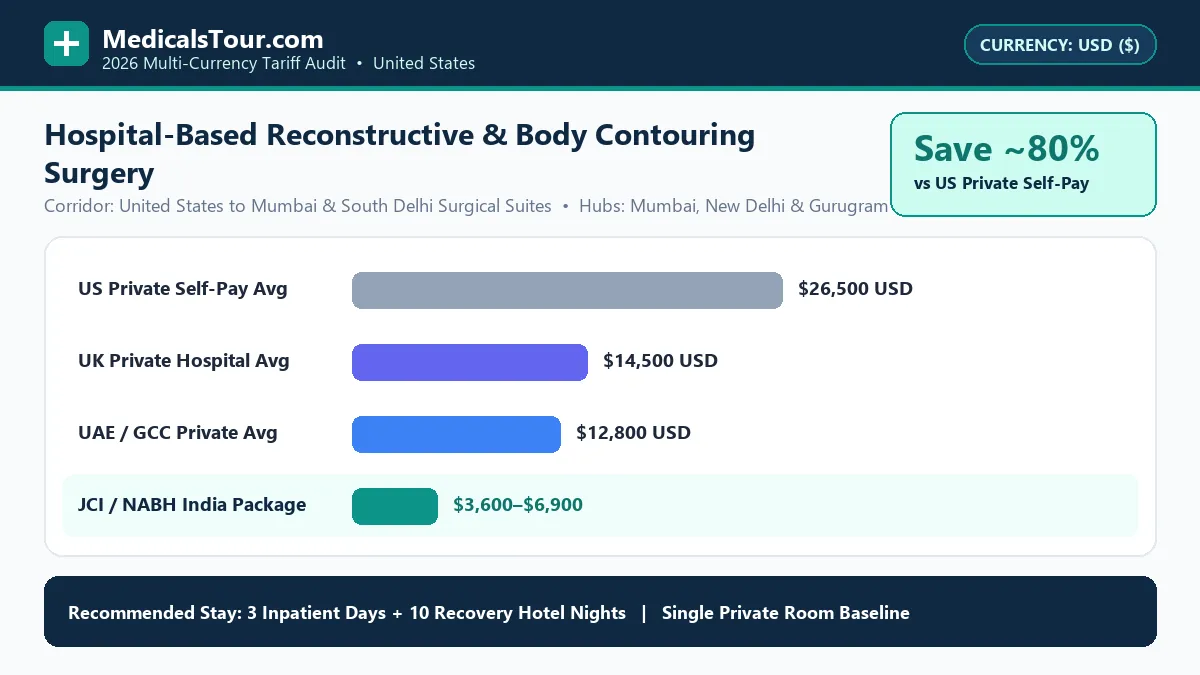
Verifying MCh & DrNB Plastic Surgery Credentials at Lilavati Bandra and Max Saket
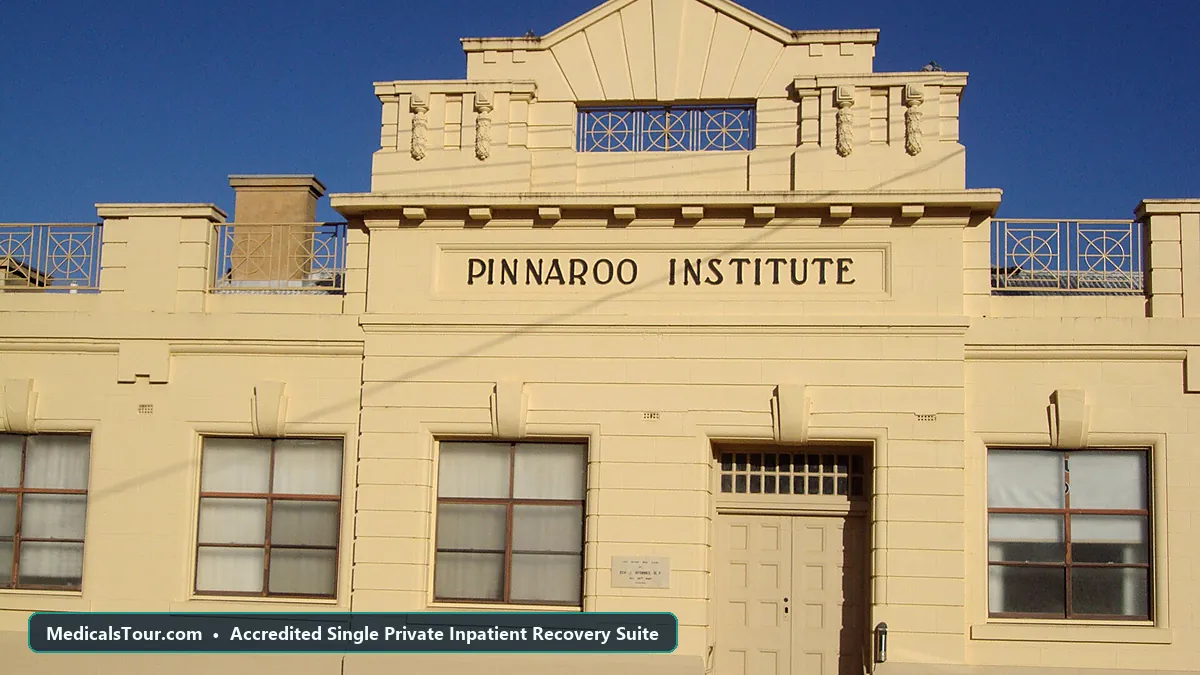
Globally, the phrase “cosmetic surgeon” has zero protected legal meaning—in both Florida and parts of Asia, weekend workshop certificates sometimes mask general practitioners without formal reconstructive residencies. India’s super-specialty credentialing hierarchy makes verification refreshingly binary. Always confirm that your operating surgeon holds a three-year super-specialty MCh (Magister Chirurgiae) or DrNB in Plastic & Reconstructive Surgery completed after a full three-year MS in General Surgery—representing twelve-plus years of medical school and surgical residency—alongside active membership in the Association of Plastic Surgeons of India (APSI) or the International Society of Aesthetic Plastic Surgery (ISAPS).
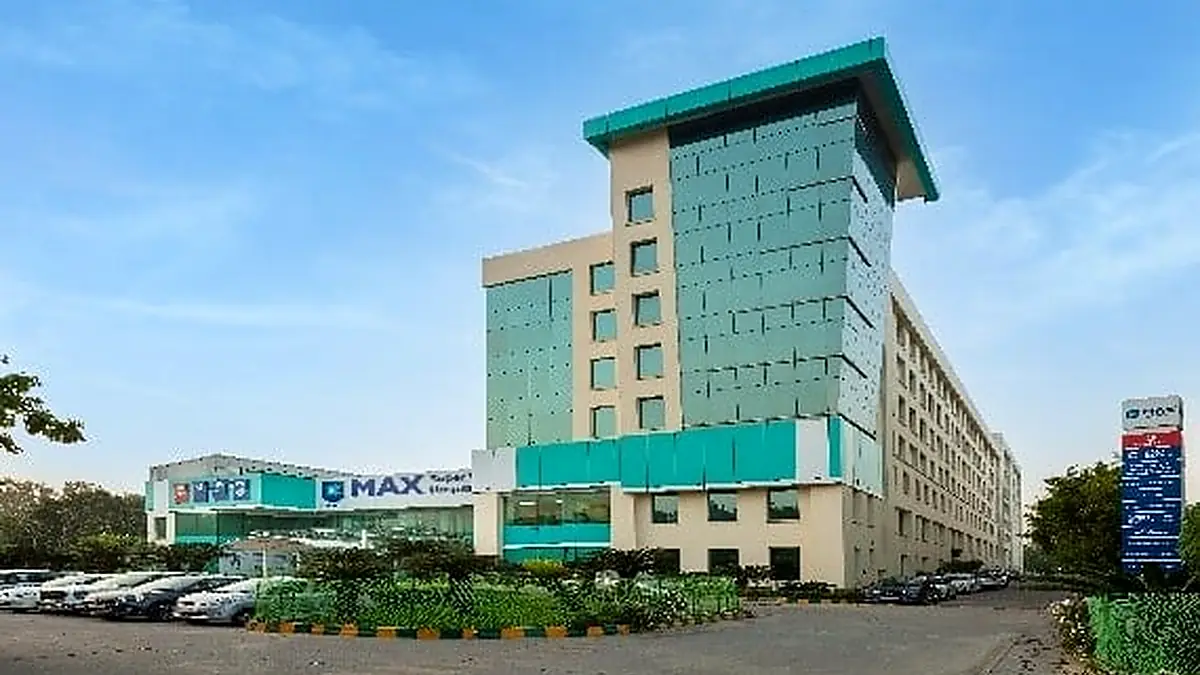
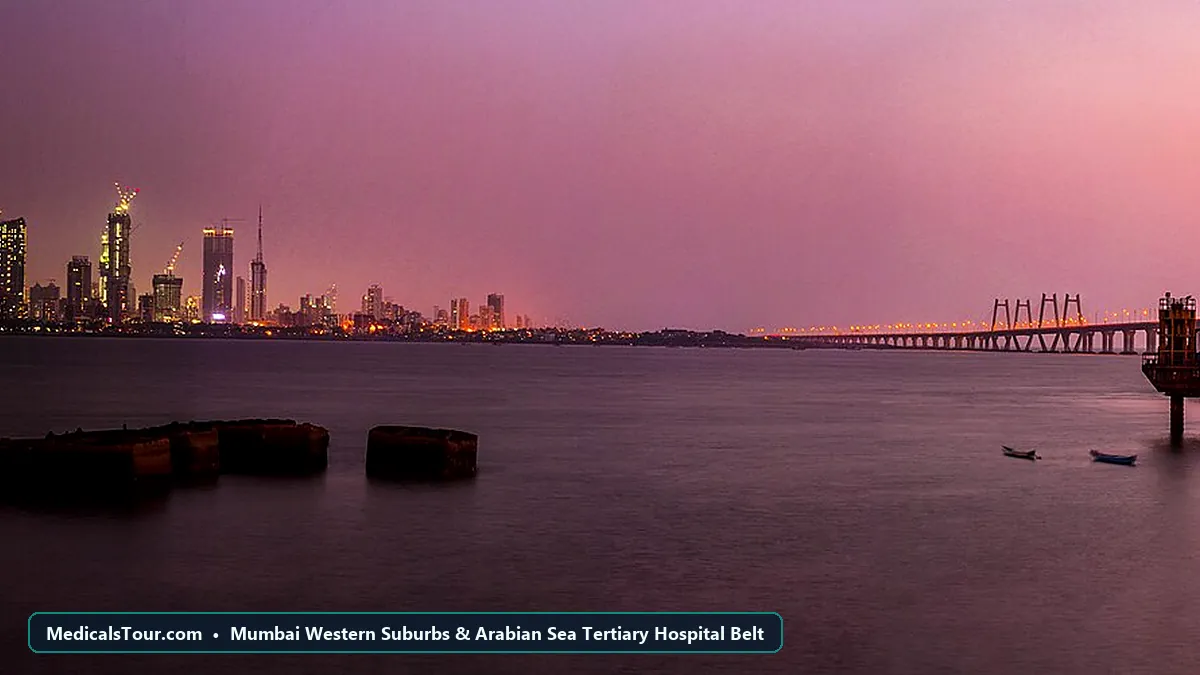
Two landmark campuses anchor US plastic and microsurgical admissions. Overlooking the Arabian Sea in Mumbai’s upscale diplomatic and film-industry neighborhood of Bandra West, Lilavati Hospital and Research Centre pairs senior microsurgeons and craniofacial rhinoplasty specialists with full surgical ICU backup, twenty-five minutes south of Mumbai T2 via the Western Express Highway. In South Delhi, Max Super Speciality Hospital, Saket houses a flagship Department of Aesthetic and Reconstructive Surgery equipped with SPY fluorescence tissue-perfusion angiography, ultrasonic piezo consoles, and walkable hotel-and-mall infrastructure right across Press Enclave Marg.
Because India serves one of the world’s highest caseloads of head-and-neck oncological free flaps and complex hand/burn reconstructions, senior MCh consultants bring deep vascular respect to aesthetic facial and body procedures. During a deep-plane rhytidectomy or secondary costal-cartilage rhinoplasty, knowing facial nerve arborization and subdermal plexus vascularity down to millimeter planes dramatically cuts skin-sloughing, hematoma, and neuropraxia rates. Pre-operative imaging inside both hospital campuses sharpens surgical precision before the first scalpel touch: DIEP breast-reconstruction candidates undergo 640-slice abdominal CT Angiography (`CTA`) perforator mapping on Day 1 to pinpoint the single largest para-umbilical perforator vessel—shaving ninety minutes off anesthesia duration—while ultrasonic septorhinoplasty candidates receive thin-slice paranasal sinus CT scans to map hidden bony spurs and nasal valve collapse alongside external dorsal aesthetics. Read our JCI vs NABH Hospital Accreditation Guide to understand how hospital privileging boards audit surgical infection rates (holding clean Case Class I SSI rates below 0.6%) and enforce strict World Health Organization surgical time-out checklists.
Post-GLP-1 Skin Redundancy, Combination Time Caps & Caprini Blood-Clot Prevention
Patients arriving in Mumbai or Delhi after rapid GLP-1 receptor agonist weight loss (Ozempic, Wegovy, Mounjaro, Zepbound) carry two unique anesthesia and wound-healing requirements that experienced Indian hospital teams screen aggressively. First, GLP-1 medications delay gastric emptying—creating pulmonary aspiration hazards under general anesthesia even after a standard eight-hour fast. Following updated American Society of Anesthesiologists protocols, Indian hospital anesthesiologists coordinate with your prescribing US physician regarding weekly injectable hold windows and place patients on a clear-liquid diet for 24 hours prior to induction, often verifying an empty stomach with bedside gastric ultrasound right before intubation.
Second, nutrition and operative duration dictate complication safety. Rapid weight loss frequently leaves subclinical iron deficiency, low serum prealbumin, or borderline ferritin that stalls T-junction incision healing along a belt lipectomy or Wise-pattern breast lift; run CBC, ferritin, vitamin D, zinc, and prealbumin blood panels in the US six weeks pre-travel so deficiencies are corrected early. Strict nicotine abstinence—zero cigarettes, vapes, nicotine gum, or patches for at least four weeks pre- and post-surgery, verified by urine cotinine screening when needed—is equally non-negotiable before raising abdominal, breast, or deep-plane facial skin flaps. Reputable Indian MCh teams also enforce a hard 5.5-to-6-hour operative ceiling under general anesthesia. If a patient requests a 360-degree lower body lift, brachioplasty arm lift, and mastopexy simultaneously (“extreme mommy makeover”), ethical hospital surgeons stage the procedures across two visits or deploy synchronized dual-surgeon MCh teams to compress anesthesia duration rather than gambling with fluid overload.
Large-volume liposuction obeys equally firm statutory safety guardrails inside accredited Mumbai and South Delhi operating suites. Senior hospital anesthesiologists cap tumescent aspirate extraction around 4.5 to 5.0 liters (or ≤ 5% of total body weight) when combined with open excisional abdominoplasty, continuously tracking core esophageal temperature with Bair Hugger forced-air warming blankets and hourly urine output so lidocaine plasma levels and hemoglobin stability never drift into grey zones. Every abdominal plication and body-contouring admission undergoes formal Caprini Venous Thromboembolism (VTE) Risk Scoring—combining intraoperative pneumatic calf compression, early evening ambulation, hydration, and weight-adjusted subcutaneous low-molecular-weight heparin (enoxaparin) or oral rivaroxaban extending safely past your return flight.
Indian Visa Distinctions: Reconstructive Medical Visas vs Elective Aesthetic Stays
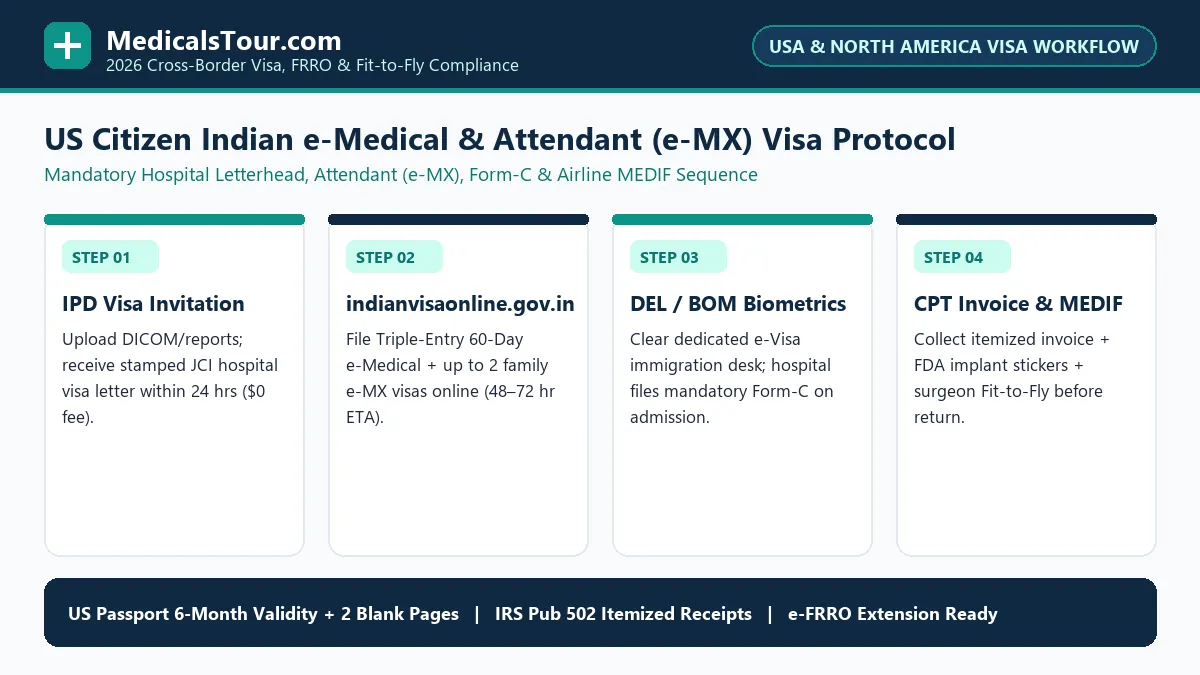
Visa compliance is an operational detail where generic travel blogs frequently give outdated advice. Under Indian Ministry of Home Affairs e-Visa guidelines, the e-Medical Visa is designed for recognized medical and reconstructive hospital treatments—such as post-mastectomy DIEP flap breast reconstruction, burn or trauma scar contracture release, functional septorhinoplasty for severe nasal airway obstruction/deviated septum, giant macromastia reduction causing cervical radiculopathy, gynecomastia glandular excision, and medically documented panniculectomy or belt lipectomy following massive weight loss complicated by recurrent intertrigo rashes.
When your surgical plan addresses a documented reconstructive or functional diagnosis, the hospital’s International Patient Desk issues an official Visa Invitation Letter citing the clinical ICD-10 diagnosis, MCh surgeon registration number, and scheduled admission window. Conversely, if an inquiry involves minor pure storefront cosmetic injectables or non-reconstructive spa treatments without a medical indication, hospital coordinators clarify appropriate visa eligibility upfront and advise against improvising paperwork. Keeping your hospital invitation letter, return air ticket, and pre-paid hotel voucher printed inside a physical folder makes biometric arrival clearance at Mumbai T2 or Delhi T3 smooth and predictable.
Tax treatment and surgical settlement back in the United States mirror that exact reconstructive-versus-cosmetic line. Under IRS Publication 502, procedures that meaningfully correct a congenital abnormality, personal injury trauma, or disfiguring disease—most notably post-oncological DIEP flap or implant breast reconstruction and functional nasal airway septoplasty portions—qualify as tax-deductible medical care eligible for Health Savings Account (HSA) reimbursement when your Indian hospital billing desk itemizes reconstructive CPT and ICD-10 codes separately from purely aesthetic add-ons. Even when self-funding pure post-weight-loss body contouring, paying $5,800 outright via a direct US bank SWIFT wire spares American households from predatory domestic medical-credit installment loans charging 26.99% deferred-interest APR on $30,000 US surgery quotes.
13-Day Drain, Garment & Wound Surveillance Calendar Before Long-Haul Departure
Never book an inflexible seven-day return ticket after abdominoplasty, body lifting, or deep-plane facial surgery. Closed-suction Jackson-Pratt (JP) or Blake drains cannot be pulled safely based on calendar convenience; they come out only when serous lymphatic output drops below 25 mL to 30 mL per 24-hour cycle for two consecutive days—typically between Post-Op Day 6 and Day 10. Flying across the Atlantic or Pacific with active surgical drains still tethered through the skin invites retrograde bacterial tracking and painful cabin-pressure tugging.
| Recovery Window | Clinical & Wound-Care Milestone | Mobility & Cabin Travel Readiness |
|---|---|---|
| Days 1–2 (Pre-Op) | Arrive BOM or DEL; surgeon pinch-test vector markings, 3D Vectra imaging, pre-anesthesia clearance & clear-liquid GLP-1 safety prep. | Check into Bandra West or Saket hotel (5 mins from hospital). |
| Days 3–5 (Inpatient) | Surgery under normothermic forced-air warming + SCD pumps; HDU/private room step-down, flexed-waist walking Day 1 & drain output charting. | Inpatient Single Private Suite with 24/7 RN & companion sofa. |
| Days 6–9 (Hotel Step-Down) | Discharge to nearby hotel; daily short-hallway walks every 2 hours awake, high-protein (1.5g/kg) wound-healing meals & Day-7 outpatient dressing check (nasal splint off for rhinoplasty). | Light hotel movement; zero heavy lifting above 5 lbs. |
| Days 10–12 (Drain Pull & Fit-to-Fly) | Painless JP drain removal once output <25 mL/day; transition to clean Stage-1 compression faja/bra; surgeon inspects umbilical & T-junction perfusion and signs Fit-to-Fly Clearance. | Cleared for wheelchair airport escort & long-haul flight. |
| Day 13–14 (Return Flight) | Board nonstop or 1-stop flight in loose dark breathable layers over compression garment; prescribed anticoagulant prophylaxis active. | Strongly recommend lie-flat Business pod after abdominoplasty/360 lift. |
Picking the right recovery neighborhood eliminates exhausting pothole bumps during early wound checks. In South Delhi, book a step-free room at Hilton Garden Inn or Sheraton New Delhi in Saket—barely five minutes from Max Hospital’s East and West blocks, with elevator access to Select Citywalk pharmacies and fresh-pressed protein cafes. In Mumbai, stay in Bandra West (Taj Lands End or an elevator-equipped Pali Hill/Carter Road serviced apartment) so outpatient dressing visits to Lilavati take ten minutes outside rush hour. Pack two spare zippered front-hook surgical bras or open-gusset Stage-1 compression garments so you can launder one daily in warm humid weather without leaving tissues unsupported. Request extra bed pillows from hotel housekeeping on arrival afternoon so you can build a comfortable 35-degree wedge behind your shoulders and a soft bolster beneath both knees—taking all overnight stretch tension off an abdominoplasty closure or deep-plane cervical suture line from Night 1 onward.
Managing Seromas, Scar Maturation & Virtual Surgeon Reviews Back in the States
Even with meticulous progressive-tension quilting sutures along the abdominal fascia, roughly 8% to 12% of abdominoplasty and belt-lipectomy patients worldwide develop a small localized fluid pocket (seroma) between Weeks 3 and 5 as lymphatic channels reconnect—especially after walking through three international airport terminals. Before leaving the United States, identify a cooperative local plastic surgeon, wound-care clinic, or urgent-care physician willing to perform a ten-minute ultrasound-guided needle aspiration if needed, keeping your recovery stress-free.
Gentle manual lymphatic drainage (MLD) massage—started around Day 10 to 14 only with your operating surgeon’s explicit clearance and kept well clear of fresh suture lines—helps resolve VASER flank induration and post-flight ankle edema rapidly. Remember also that ultrasonic rhinoplasty nasal tips hold 20% to 30% microscopic lymphatic swelling for six to nine months, especially in thicker sebaceous skin; resist judging final dorsal and supratip definition in bathroom mirrors during Month 1, and avoid resting heavy eyeglasses directly across a newly sculpted nasal bridge for five weeks (tape frames lightly to the forehead or wear daily contact lenses once cleared).
From Medical Tour’s patient outcome tracking, scar quality depends heavily on Weeks 3 through 24 back home: transitioning into a snug Stage-2 compression garment at Week 4 as residual edema resolves, applying medical-grade 100% silicone sheeting or gel once scabs clear completely, and shielding incisions from UV hyperpigmentation for twelve months. Indian hospital plastic surgery teams conduct scheduled video follow-ups at Weeks 2, 6, 12, and 26, and provide sealed implant lot stickers (Mentor/Motiva international warranty cards) inside your printed surgical discharge folder. Traveling with a supportive companion—whether a spouse, sister, or adult daughter—during Days 1 through 10 transforms hotel recovery by taking luggage lifting, pillow propping, hair washing, and pharmacy errands completely off your healing core.
For broader insights on vetting surgeons, planning caregiver logistics, and comparing hospital corridors across specialties, visit our Medical Travel Editorial Hub before locking in consultation dates.