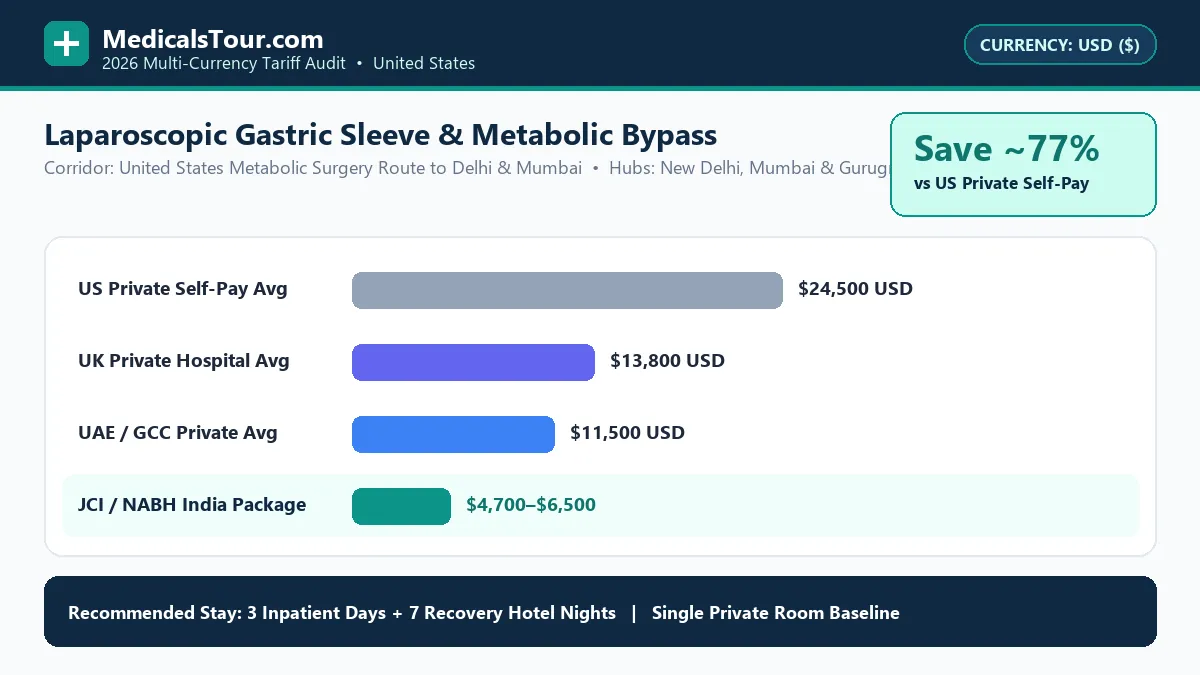
Across the United States in 2026, metabolic and bariatric patients face a frustrating double wall: employer health plans increasingly drop coverage for $1,100-per-month GLP-1 receptor agonists (a $26,400 two-year pharmacy treadmill followed by frequent weight rebound the month injections stop) while simultaneously excluding bariatric surgery—or imposing nine-month medically supervised diet hoops before considering authorization. Faced with $21,000 to $31,000 USD domestic self-pay hospital quotes for a laparoscopic sleeve gastrectomy or Roux-en-Y bypass, thousands of Americans reflexively research $4,200 drive-across border clinics in Tijuana or Nuevo Laredo.
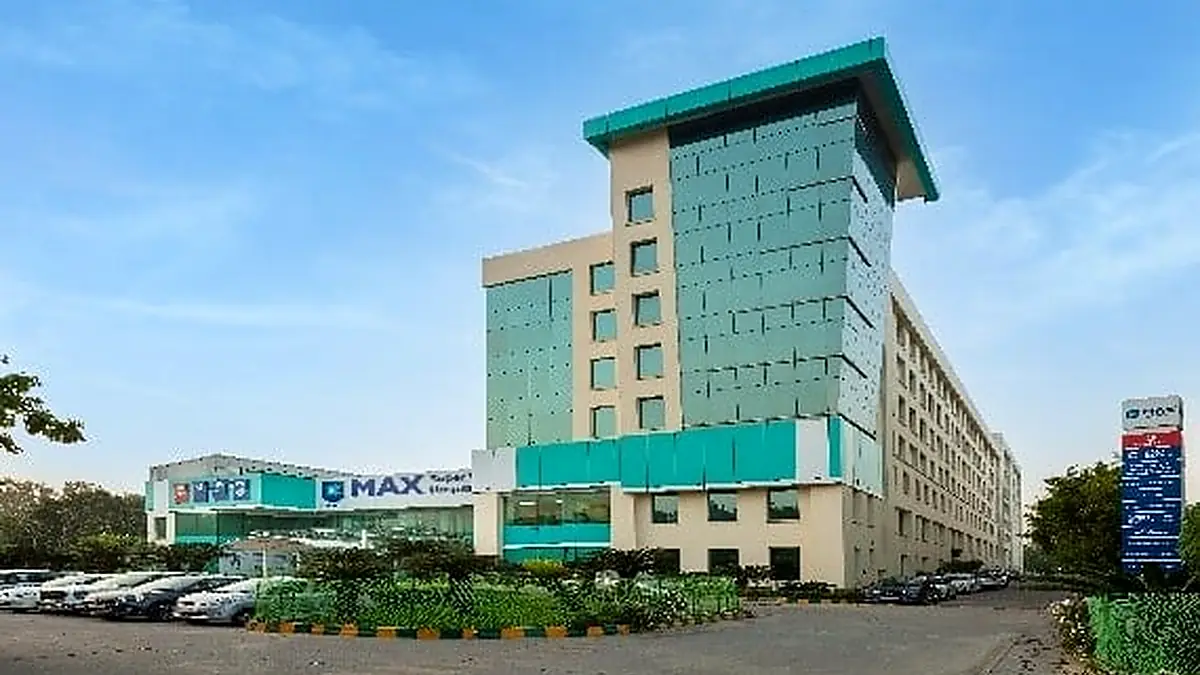
Cost parity, however, hides a profound clinical infrastructure gap. Many low-cost Mexican border centers operate out of converted commercial buildings lacking 24-hour tertiary ICUs, interventional radiology, blood banks, or multidisciplinary cardiology teams—discharging patients to a hotel 24 hours after stomach stapling. At JCI- and NABH-accredited quaternary hospitals in India—exemplified by Max Super Speciality Hospital, Saket in New Delhi and Nanavati Max Super Speciality Hospital in Mumbai—self-pay Americans pay nearly the exact same $4,700 to $6,500 USD tariff inside 500-bed multispecialty medical centers backed by surgical ICUs, bariatric anesthesiologists, and genuine US FDA-cleared powered staplers.
When your BMI sits between 35 and 52 alongside obstructive sleep apnea, resistant hypertension, fatty liver disease, or Type 2 diabetes, institutional rescue depth and three full nights of inpatient telemetry matter infinitely more than saving eight hours on an airplane. Bariatric surgery permanently rewires gut-brain satiety signaling rather than renting temporary appetite suppression by the month—provided your operating room, stapler metallurgy, anesthesia team, and liquid recovery protocol meet quaternary hospital standards. For teachers, self-employed contractors, and small-business families locked out of domestic metabolic surgery coverage, flying to South Delhi or suburban Mumbai restores decade-long cardiometabolic health without home-equity debt. Below is our complete hardware, hospital, and post-operative liquid-phase roadmap for US metabolic travelers.
2026 Metabolic Surgery Cost & Safety Matrix: India JCI Hospitals vs USA vs Tijuana
Comparing bariatric packages fairly requires looking past the headline surgeon fee to audit stapler reload provenance, inpatient observation nights, and emergency rescue infrastructure. Cross-referencing Medical Tour’s 2026 metabolic surgery audit alongside our Gastric Sleeve Cost Comparison, Roux-en-Y & Mini Gastric Bypass Cost Guide, and non-surgical Endoscopic Gastric Balloon Cost Guide highlights exact structural differences:
| Procedure / Audit Dimension | US Self-Pay Hospital / ASC | Mexico Strip-Mall Clinic | India JCI / NABH Tertiary Hospital |
|---|---|---|---|
| Laparoscopic Sleeve Gastrectomy (LSG) | $19,500 – $27,500 | $4,100 – $5,400 | $4,700 – $5,900 (3 Hosp + 7 Hotel Nights) |
| Laparoscopic Roux-en-Y Gastric Bypass (RYGB) | $24,500 – $34,000 | $5,600 – $7,200 | $5,500 – $6,500 (3–4 Hosp + 7 Hotel Nights) |
| One-Anastomosis / Mini Gastric Bypass (OAGB) | $23,000 – $31,000 | $5,200 – $6,800 | $5,300 – $6,300 (3–4 Hosp + 7 Hotel Nights) |
| Da Vinci Xi Robotic or Revision Bariatric Surgery | $32,000 – $48,000 | Rarely Available | $7,200 – $9,400 (Band-to-Bypass / Sleeve-to-RYGB) |
| On-Site Tertiary ICU, Blood Bank & Endoscopic Stent Backup | Yes (Hospital) / No (ASC) | Frequently Absent (External Transfer) | 100% On-Campus 24/7 Multispecialty Backup |
Indian international bariatric packages bundle comprehensive Day-1 outpatient diagnostics that US surgery centers bill separately: 2D echocardiogram, pulmonary function spirometry, upper GI gastroscopy with H. pylori check, abdominal ultrasound screening for silent gallstones, 5 to 6 imported powered stapler reloads, 3 inpatient Single Private nights, dietitian counseling, and airport transfers. Patients with BMI 28 to 33 seeking a temporary reversible 12%–15% weight-loss bridge before knee replacement can also explore 20-minute outpatient Orbera or Spatz3 adjustable intragastric balloons ($2,400–$3,300), or endoscopic sleeve gastroplasty (ESG Apollo OverStitch suturing without external incisions, $4,900–$6,200). If pre-op ultrasound or endoscopy spots asymptomatic gallstones or a sliding hiatal hernia, ask in advance for the written add-on tariff ($450–$850 for simultaneous crural repair or laparoscopic cholecystectomy) so surgery morning carries zero financial ambiguity. Review our JCI vs NABH Hospital Accreditation Guide before shortlisting any overseas bariatric provider.
Sleeve Gastrectomy vs Roux-en-Y vs OAGB: Matching Anatomy to Acid Reflux & Diabetes
High-volume Indian metabolic surgeons never push a one-size-fits-all Sleeve Gastrectomy until Day-1 outpatient upper GI endoscopy (esophagogastroduodenoscopy with H. pylori rapid urease check—bundled routinely in Indian pre-op workups) inspects your lower esophageal sphincter. Converting the stomach into a narrow high-pressure banana-shaped tube—calibrated loosely over a 36-French to 40-French silicone bougie (never over-tightened to 32F, which risks mid-body incisura angularis stricture and chronic regurgitation!)—works brilliantly for isolated obesity without acid reflux, removing 80% of fundic ghrelin-producing cells and delivering 60% to 70% excess weight loss.
However, if pre-op endoscopy reveals a medium-to-large hiatal hernia, erosive esophagitis (LA Grade B/C), or Barrett’s esophagus—or if your primary clinical goal is remitting insulin-dependent Type 2 diabetes—a high-pressure sleeve can worsen gastroesophageal reflux. In those profiles, surgeons at Max Hospital Saket and Nanavati Max Hospital Mumbai pivot toward Laparoscopic Roux-en-Y Gastric Bypass (RYGB), crafting a low-pressure 30 mL gastric pouch anastomosed to a 120 cm Roux limb that diverts bile and acid away from the esophagus while triggering potent hindgut GLP-1 and PYY incretin surges within days—remitting Type 2 diabetes in 65% to 78% of patients long before peak weight loss occurs.
Understanding dumping physiology also helps patients pick confidently between sleeve and bypass: because RYGB routes food past the pyloric valve straight into jejunal mucosa, drinking concentrated liquid sugars (milkshakes, sweet iced tea, fruit syrups) triggers rapid osmotic fluid shifts, palpitations, and sweating—acting as an automatic behavioral guardrail for sweet-eaters, whereas gastric sleeve preserves native pyloric emptying without intestinal malabsorption, internal mesenteric hernia windows, or marginal jejunal ulcer susceptibility. For patients with super-obesity (BMI 45 to 55), severe metabolic syndrome, or prior failed Lap-Bands and stretched sleeves, Indian centers also offer One-Anastomosis Mini Gastric Bypass (OAGB)—measuring total small-bowel length explicitly to preserve at least 300 cm of absorptive common channel—and Da Vinci Xi robotic revision surgery with superior ergonomic suturing precision.
Stapler Hardware Audit: How FDA-Cleared Tri-Staple Cartridges Prevent Sleeve Leaks
Staple-line hemorrhage and gastroesophageal-junction leak (<0.3% at elite JCI centers, versus 1.5%–3% when cheap unbranded staplers are used) are entirely mechanical engineering events. Human stomach wall thickness varies dramatically from 3.5mm–4.0mm thick muscular antrum near the pylorus down to 1.5mm–2.0mm delicate fundus tissue near the angle of His. Firing knock-off single-height staples crushes thick tissue or fails to seal thin tissue.
Insist in writing on your hospital Proforma Invoice that your bariatric package includes four non-negotiable operating-room safeguards:
- Genuine Single-Patient US-FDA Powered Staplers: Specifically Johnson & Johnson Ethicon Echelon Flex GST or Medtronic Signia Intelligent Powered Staplers with Tri-Staple variable-height reloads (5 to 6 sterile color-coded black/green/gold/purple cartridges matched millimeter-by-millimeter to tissue compression, pausing 15 seconds pre-fire to express tissue edema so every B-shaped titanium staple locks cleanly), never re-sterilized disposable handles.
- Staple-Line Reinforcement / Oversewing: Bioabsorbable Gore Seamguard buttress strips or meticulous seromuscular PDS suture imbrication along the entire 22-centimeter staple line—plus preserving 1.0 to 1.5 centimeters of vascularized tissue lateral to the gastroesophageal fat pad at the angle of His—to prevent early post-op oozing or ischemic micro-leaks when systolic blood pressure climbs in recovery.
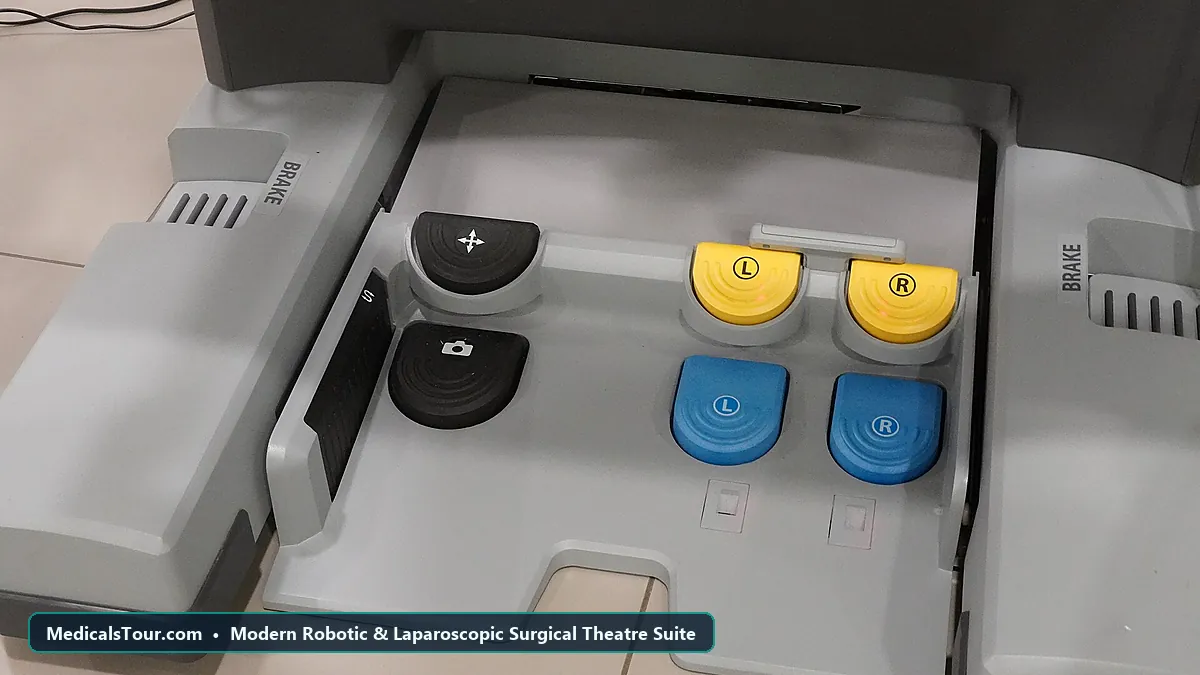
- High-BMI Operating Table & Rhabdomyolysis Protection: Hydraulic Maquet/Trumpf bariatric tables rated to 450 kg (1,000 lbs) outfitted with viscoelastic gel pressure pads protecting gluteal muscles against rhabdomyolysis, paired with continuous pneumatic calf sequential compression boots from anesthesia induction onward.
- Triple Leak Verification & On-Campus Endoscopy Rescue: Intraoperative methylene-blue dye / endoscopic air-bubble submersion test before closing ports, continuous heart-rate telemetry on Nights 1–3 (resting tachycardia >105 bpm is the earliest warning sign of micro-leak or bleed), a contrast Gastrografin swallow check, and 24/7 in-house therapeutic endoscopy backup. Just like orthopedic implants, you can ask your surgical coordinator to paste the outer carton barcode stickers from every single-use Ethicon or Medtronic stapler reload onto your operative sheet for complete peace of mind.
Pre-Flight Liver-Shrinking Diet, Sleep Apnea CPAP Protocols & Anesthesia Safety
Because bariatric surgery takes place immediately below the left lobe of the liver, fatty hepatomegaly (non-alcoholic steatohepatitis common at BMI > 38) can obscure the gastroesophageal junction and force extra laparoscopic liver-retractor ports. Ten to fourteen days before boarding your flight from the United States, start your Indian nutritionist’s high-protein, ultra-low-glycogen liver-shrinking protocol (850–1,000 kcal/day supplying 90–110g lean protein from whey isolate shakes, egg whites, Greek yogurt, grilled fish/tofu, and non-starchy greens with <40g net carbohydrates and zero alcohol), shrinking left-lobe liver volume by 15% to 20% and making laparoscopic dissection far safer.
Equally vital are three pre-flight medication and respiratory safety rules:
- Pause GLP-1 Injections & SGLT2 Diabetes Pills on Schedule: Following updated American Society of Anesthesiologists (ASA) guidelines, weekly injectable GLP-1/GIP agonists (semaglutide/Ozempic/Wegovy, tirzepatide/Mounjaro/Zepbound) must be held 7 to 14 days prior to general anesthesia because delayed gastric emptying otherwise leaves residual food in the stomach despite overnight fasting! Similarly, oral SGLT2 inhibitors (empagliflozin/Jardiance, dapagliflozin/Farxiga) must be paused 72 to 96 hours pre-op to prevent euglycemic ketoacidosis, oral estrogen contraceptives or hormone replacement pills should pause 3 to 4 weeks pre-op to reduce portal/pelvic venous thrombosis risk, and all nicotine vaping must stop 4 weeks pre-flight to prevent anastomotic marginal ulcers.
- Bring Your Personal CPAP Machine in Cabin Carry-On: Over 60% of bariatric travelers have Obstructive Sleep Apnea (OSA). Indian bariatric ICUs and private wards use universal 220V outlets compatible with dual-voltage 100–240V ResMed AirSense power bricks—pack a Type C/D plug adapter and buy sterile distilled water at the hospital pharmacy.
- Opioid-Sparing ERAS Bariatric Anesthesia: Dedicated bariatric anesthesiologists use video laryngoscopy, ramped head-elevated positioning, ultrasound-guided TAP abdominal wall nerve blocks, quantitative neuromuscular train-of-four reversal (sugammadex), and IV acetaminophen/dexmedetomidine—avoiding respiratory-depressant narcotics so patients walk the ward corridor 4 hours after surgery.
Before leaving the United States, also ask your hometown doctor to run baseline fasting micronutrient bloodwork (ferritin, Vitamin B12, 25-OH Vitamin D, folate, and HbA1c)—correcting silent pre-existing iron or Vitamin D deficits before surgery is three times easier than catching up post-operatively when oral tablet volumes are temporarily restricted.

Why Max Saket (New Delhi) & Nanavati Max (Mumbai Vile Parle) Suit Bariatric Travelers
Unlike proton radiation requiring six weeks, bariatric recovery follows a crisp 11-to-12-day total stay (2 pre-op workup days + 3 inpatient nights + 6 to 7 hotel observation nights). Request a spacious Toyota Innova Crysta MPV for airport pickup and check into a hotel offering wide, armless lounge seating, walk-in showers, and an in-room electric kettle for warming clear broths. Proximity to the international airport and flat walking zones minimize transit fatigue:
Nanavati Max Super Speciality Hospital, Vile Parle West, Mumbai
Barely 15 minutes (4.5 kilometers) from Mumbai Chhatrapati Shivaji Maharaj International Airport Terminal 2, Nanavati Max Hospital eliminates hour-long post-flight highway rides altogether. Discharged patients stay 10 minutes west along Juhu Tara Road (JW Marriott Mumbai Juhu, Novotel Mumbai Juhu Beach) or near Airport Road, sipping warm clear vegetable consommé while completing three 15-minute flat sea-facing promenade walks daily—the fastest physiological way to absorb residual laparoscopic CO₂ gas that otherwise causes temporary left-shoulder phrenic nerve ache on Days 1 to 3. Mumbai’s mild 24°C–29°C coastal winter climate from November through February also lets patients stroll outdoors comfortably every morning and evening without icy winds or snow boots.
Max Super Speciality Hospital, Saket, South Delhi
Twenty-five minutes south of DEL Terminal 3, Max Saket’s Institute of Minimal Access, Metabolic & Bariatric Surgery holds Surgical Review Corporation Center-of-Excellence credentials alongside JCI accreditation. Recovering patients walk across Press Enclave Road into climate-controlled Select CITYWALK plazas and stay five minutes away at Sheraton New Delhi Saket with 24-hour WhatsApp and bedside access to the bariatric registrar and clinical nutritionist team before Day-10 clip/dressing review. Because four tiny 5mm-to-12mm keyhole ports are sealed beneath waterproof Cyanoacrylate skin glue or transparent Tegaderm dressings, patients shower comfortably in their hotel bathroom from Day 3 onward without messy gauze changes. Model flights, companion rooms, and hospital deposits inside our Medical Trip Total Budget Planner.

Surviving the 14-Day Liquid Phase in Hotels & On a 15-Hour Return Flight
Dehydration—not surgical complications—is the #1 reason bariatric patients visit emergency rooms during Week 2, because a newly sleeved 90-to-120-milliliter gastric pouch cannot gulp 8 ounces of water at once without triggering retrosternal spasm. Mastering your sipping cadence during your 7 post-discharge hotel days in Mumbai or Delhi makes the return flight effortless:
| Post-Op Timeline | Permitted Fluid / Texture Stage | Practical Hotel & Airline Cabin Execution |
|---|---|---|
| Days 1 – 3 (Inpatient Ward) | Measured Clear Liquids (30 mL every 15 min) | Sterile water, clear strained vegetable broth, diluted apple juice, sugar-free electrolyte solution; zero straws or carbonation. |
| Days 4 – 10 (Hotel Convalescence) | Clear + Thin Strained Full Liquids (60g Protein Goal) | Bring unflavored/vanilla whey protein isolate individual packets from the US in checked luggage (familiar taste avoids post-op flavor aversion!), mixed into bottled water, skimmed milk, or hotel strained dal soup. |
| Day 11 – 12 (Long-Haul Return Flight) | In-Flight Hydration + Thromboembolism Shield | Buy three 1-liter sealed water bottles airside after security; carry dry protein powder scoops in Ziploc bags; wear 20–30 mmHg thigh-high stockings + continue 14-day enoxaparin/apixaban DVT prophylaxis per Medical Tour’s bariatric flight safety standard. |
Pack four extra travel safeguards in your cabin bag for the 15-hour flight home: sublingual ondansetron 4 mg orally disintegrating tablets (Zofran ODT) so unexpected air turbulence never provokes retching against fresh staple lines; strict avoidance of carbonated ginger ale, club soda, or chewing gum (which distends a 100 mL gastric sleeve with trapped gas); sugar-free electrolyte packets preventing Roux-en-Y dumping tachycardia; and your laminated Hospital Bariatric Wallet Card warning any future ER physician never to pass a blind nasogastric tube across your gastrojejunostomy or sleeve. Once you progress to soft pureed eggs, ricotta cheese, and flaky fish back in the US during Weeks 3 and 4, practice the lifelong 30-minute fluid-separation habit—stopping liquids 15 minutes before meals and waiting 30 minutes after eating so small protein portions aren’t flushed prematurely through your pouch.
Long-Term Micronutrient Lab Surveillance & Preventing Weight Regain Back Home
Metabolic surgery resets hypothalamic hunger hormones (slashing ghrelin production by ~70% after fundectomy), yet altered gastric acid and duodenal absorption permanently change how your body handles iron, calcium, and B-vitamins—and triggers rapid resolution of hypertension and hyperglycemia that requires active medication tapering! Many diabetic and hypertensive patients leave Mumbai or Delhi on 50% lower antihypertensive doses and zero sulfonylureas or mealtime insulin; continuing your old pre-surgery lisinopril or glipizide doses blindly back home will cause dizzy orthostatic hypotension or dangerous low blood sugar unless your US primary care physician reviews readings on Week 2. Women of reproductive age should also note that rapid ovulatory rebound reverses PCOS infertility fast—obstetric guidelines strictly advise reliable non-oral contraception for 12 to 18 months post-bariatric surgery so fetal growth never overlaps peak maternal catabolism! Before flying home across our US-to-India surgical corridors, lock in your 12-month domestic follow-up plan:
- Mandatory Chewable Bariatric Supplements (Start Week 2): ASMBS-compliant bariatric multivitamin containing thiamine (Vitamin B1 — crucial if nausea/vomiting ever occurs), sublingual/nasal Vitamin B12 (500–1,000 mcg daily), Calcium Citrate (1,200–1,500 mg split doses—never calcium carbonate, which requires stomach acid), Vitamin D3 (3,000 IU), zinc, and elemental iron separated by 2 hours from calcium.
- 3-, 6-, and 12-Month US Blood Panels & Protein Targets: Bring your English operative report and pre-op endoscopy summary to your US PCP to order CBC, ferritin/TIBC, B12, folate, 25-OH Vitamin D, intact PTH, HbA1c, and liver enzymes—and sustain 65 to 85 grams of daily lean protein to preserve skeletal muscle mass and minimize temporary Month-4 telogen hair shedding.
- Proton-Pump Inhibitor & Gallstone Protection: Take prescribed esomeprazole/pantoprazole for 60–90 days to protect healing staple lines against marginal ulcers (and strictly avoid NSAIDs like ibuprofen, Advil, Aleve, meloxicam, or aspirin!), plus ask whether 6 months of ursodiol (ursodeoxycholic acid 300 mg twice daily) is indicated during rapid weight loss to prevent cholesterol gallstones.
- Scheduled Virtual Nutrition & Psychology Touchpoints: Both Max Saket and Nanavati Max include post-discharge video check-ins with your bariatric nutritionist at Weeks 3, 6, 12, and 24—helping you transition smoothly from soft purees to solid Mediterranean-style proteins, curb grazing habits during work stress, and calibrate resistance-band strength workouts so weight loss comes overwhelmingly from visceral adipose fat rather than lean muscle.