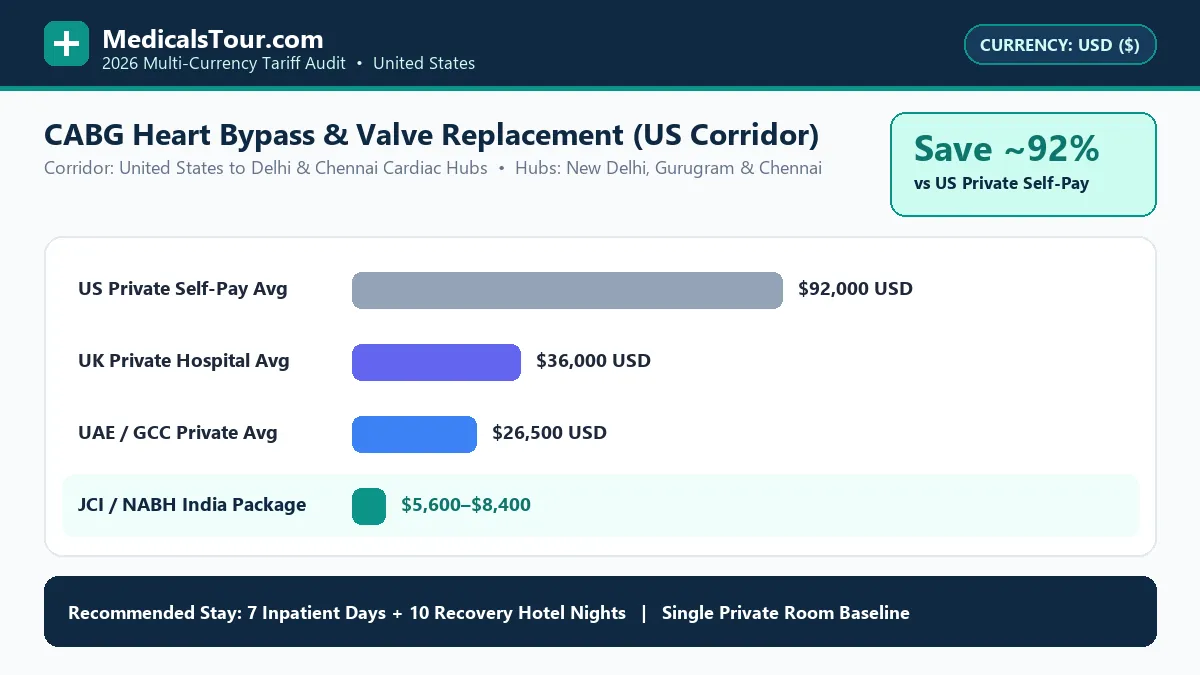
Hearing an interventional cardiologist in Phoenix or Tampa explain that three-vessel left-main coronary artery blockages cannot be safely stented—and require open coronary artery bypass grafting (CABG)—hits uninsured and underinsured American families like twin emergencies. First comes the clinical urgency of exertional angina or reduced left-ventricular ejection fraction; forty-eight hours later comes the hospital financial counselor’s self-pay estimate of $92,000 to $148,000 for an uncomplicated triple bypass, or north of $165,000 if a calcified aortic or regurgitant mitral valve requires simultaneous replacement. For self-employed tradespeople, early retirees aged 57 to 64, or patients trapped in narrow-network insurance disputes, liquidating retirement savings should never be the price of coronary revascularization.
Across India’s dedicated cardiac surgery flagships—led by Fortis Escorts Heart Institute on Okhla Road in New Delhi and Apollo Hospitals, Greams Road in Chennai—senior cardiothoracic and vascular surgery (CTVS) teams perform more than 1,500 coronary and structural valve procedures per department each year. Crucially for older patients worried about stroke, renal strain, or post-pump cognitive fog, leading Indian cardiac units perform over 90% to 95% of isolated CABG operations off-pump on a beating heart (OPCABG), compared with roughly 15% to 20% in average US community hospitals.
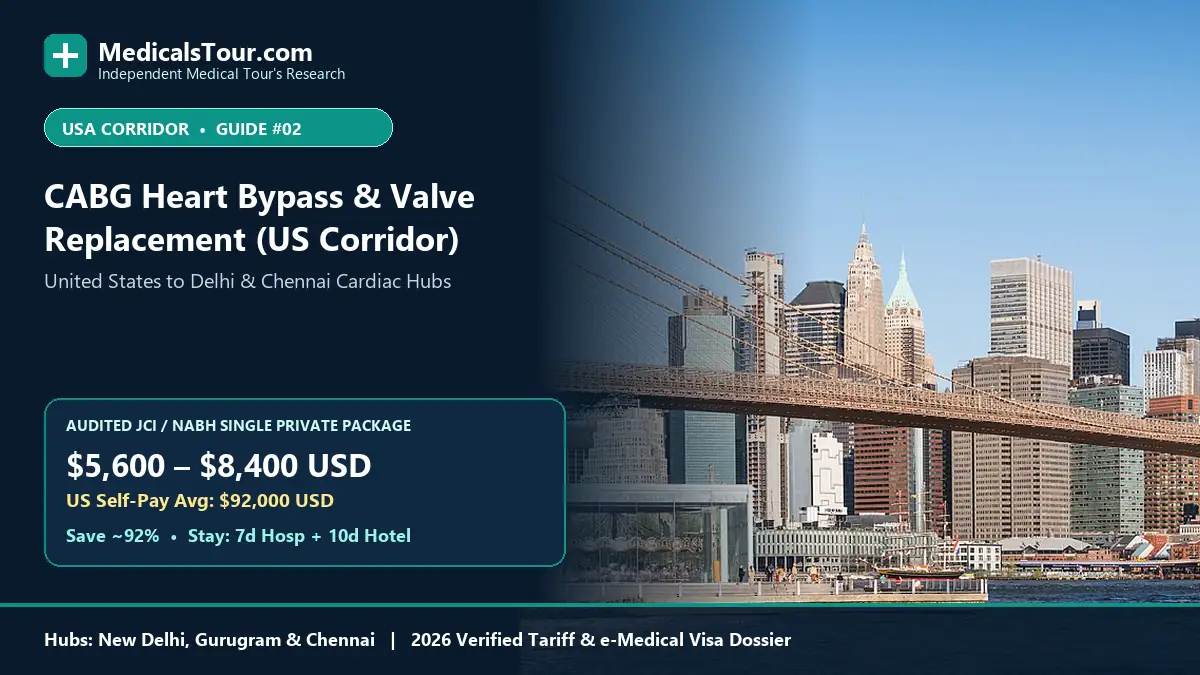
Audited 2026 Single Private cardiac surgical packages run $5,600 to $8,400 USD for beating-heart multi-vessel CABG and $6,900 to $9,800 USD for surgical heart valve replacement using imported US or European prostheses, with diagnostic angiogram CDs typically reviewed by a department chief within 24 hours. Even after adding round-trip lie-flat Business Class airfare for the patient, a companion ticket, and ten post-discharge hotel nights, net household savings regularly exceed $75,000. Traveling safely across oceans with coronary or valvular disease, however, requires rigorous pre-flight risk stratification by an American cardiologist before anyone books a seat to Delhi or Chennai.
Clinical Triage First: Who Can Safely Fly for Cardiac Surgery (And Who Cannot)
Before comparing a single rupee or dollar, let us draw a hard clinical red line. Long-haul commercial aviation cabins are pressurized to an equivalent altitude of 6,000 to 8,000 feet, lowering ambient partial pressure of oxygen slightly for 14 to 16 hours. Patients experiencing unstable resting angina (chest pain at rest), recent NSTEMI/STEMI heart attack within the past 3 to 4 weeks, uncompensated congestive heart failure with pulmonary edema, critical left-main stenosis above 80% with hemodynamic instability, malignant ventricular arrhythmias, or syncope from critical aortic stenosis must be treated immediately at their nearest domestic emergency cardiac center—never put on a commercial airliner.
Conversely, stable elective cardiac candidates routinely fly to India without incident when cleared by their local cardiologist and pre-screened against four baseline checks:
- Stable Chronic Multi-Vessel CAD: Patients with predictable exertional angina controlled on beta-blockers, long-acting nitrates, and statin therapy whose coronary angiogram demonstrates triple-vessel disease or chronic total occlusions best served by arterial bypass rather than multiple overlapping drug-eluting stents.
- Compensated Valvular Disease: Patients with severe but hemodynamically compensated aortic stenosis, bicuspid aortic valve disease, or degenerative mitral regurgitation (NYHA Class I or stable Class II) scheduled for elective repair or replacement before irreversible left-ventricular remodeling sets in.
- Pre-Flight Dental Clearance (Crucial for Valve Candidates): If you are traveling for SAVR, MVR, or TAVR, ask your US dentist for a panoramic dental X-ray and periodontal check two weeks before departure. Untreated root-canal abscesses or severe gingivitis seed oral Streptococcus bacteria into the bloodstream, risking prosthetic valve endocarditis; extracting an infected tooth in India delays heart surgery by 10 to 14 days.
- Pre-Flight DICOM Angiogram & Carotid Audit: Export the raw
.dcmfiles from your US diagnostic cardiac catheterization CD along with your Transthoracic Echocardiogram (LVEF and pulmonary artery systolic pressure), spirometry, HbA1c, and bilateral carotid Doppler ultrasound so Indian CTVS chiefs confirm target vessel caliber and rule out asymptomatic carotid stenosis before flight booking.
2026 Cardiac Tariff Audit: CABG, Surgical Valves & Why TAVR Hardware Costs More
One of the biggest pricing misconceptions among American cardiac travelers involves conflating open Surgical Aortic Valve Replacement (SAVR) with catheter-based Transcatheter Aortic Valve Replacement (TAVR/TAVI). While labor-intensive open heart surgery in India saves nearly 90% against US cash prices, TAVR relies on an ultra-specialized collapsible transcatheter valve assembly imported directly from Edwards Lifesciences or Medtronic whose global device invoice alone runs $17,500 to $25,000 before cath-lab fees. Using Medical Tour’s independent tariff research desk alongside our itemized Heart Bypass (CABG) Cost Guide and Heart Valve & TAVR Cost Guide clarifies exact out-of-pocket expectations.
| Cardiac Procedure & Technique | US Cash / Self-Pay Tariff | India JCI Single Private Package | Imported Hardware & ICU Inclusion Scope |
|---|---|---|---|
| Off-Pump Beating-Heart CABG (3–4 Grafts) | $88,000 – $135,000 | $5,600 – $7,800 | Medtronic Octopus stabilizer, LIMA/RIMA/radial grafts, 2–3 CTVS ICU days + 4–5 ward nights. |
| Minimally Invasive Coronary Bypass (MICS-CABG) | $105,000 – $155,000 | $6,800 – $9,200 | Left mini-thoracotomy (no breastbone split) when anatomy permits; faster flight clearance. |
| Surgical Single Valve Replacement (SAVR / MVR) | $95,000 – $145,000 | $6,900 – $9,600 | Heart-lung bypass + Abbott St. Jude Regent mechanical or Edwards Inspiris Resilia tissue valve. |
| Combined CABG + Single Valve Replacement | $135,000 – $195,000 | $8,600 – $11,800 | 3–4 CTVS ICU nights + imported bioprosthetic or mechanical valve + telemetry step-down. |
| Transcatheter Aortic Valve Replacement (TAVR / TAVI) | $110,000 – $170,000 | $24,500 – $34,000 | Hybrid cath lab + imported Edwards SAPIEN 3 Ultra or Medtronic Evolut PRO+ ($18k–$25k device) or Meril Myval ($14k–$17k option). |
When choosing surgical valves, discuss age-appropriate prostheses during your video consult: patients under 58 often choose pyrolytic-carbon Abbott St. Jude mechanical valves lasting 30+ years (requiring lifelong daily warfarin INR monitoring), while patients over 62 increasingly favor Edwards Inspiris Resilia anti-calcification pericardial tissue valves—eliminating lifelong warfarin and featuring an expandable VFit frame engineered for future catheter valve-in-valve TAVR 15 to 20 years down the road. For degenerative mitral prolapse, dedicated mitral subspecialists prioritize Carpentier-Edwards Physio II annuloplasty ring repair with Gore-Tex neochordae over full valve replacement whenever leaflet tissue allows, preserving native left-ventricular geometry and papillary muscle dynamics. For octogenarians needing primary TAVR, India saves $85,000 to $120,000 below US self-pay hospital quotes with discharge in 72 hours.
Why Beating-Heart OPCABG & Total Arterial Grafting Matter for Long-Term Patency
In many regional American hospitals, routine triple or quadruple bypass surgery still stops the heart with potassium cardioplegia solution while diverting systemic blood circulation through a roller-pump cardiopulmonary bypass (CPB) machine—and uses one Left Internal Mammary Artery (LIMA) paired with two or three saphenous vein segments stripped from the leg. Saphenous vein grafts experience progressive intimal hyperplasia under arterial pressure, with roughly 40% to 50% narrowing or occluding within 10 to 12 years.
India’s flagship cardiac institutes pioneered ultra-high-volume Off-Pump Coronary Artery Bypass (OPCABG) combined with Total Arterial Revascularization (TAR) because South Asian patients genetically present with narrower, more diffusely calcified 1.2mm to 1.5mm coronary vessels at younger ages. Operating on a beating heart using vacuum-assisted Medtronic Octopus tissue stabilizers, Starfish apical positioners, and intracoronary shunts delivers four concrete advantages for traveling US patients:
- Reduced Stroke & Neurocognitive Risk: Avoiding aortic cross-clamping and heart-lung machine micro-emboli lowers peri-operative stroke risk—especially vital when preoperative epiaortic ultrasound reveals ascending aortic atheroma (“porcelain aorta”).
- Less Systemic Inflammation, Renal Strain & Transfusion: Off-pump bypass avoids systemic complement activation, hemodilution, and platelet trauma, cutting donor blood transfusion needs, acute kidney injury, and post-op pulmonary edema.
- Bilateral Internal Mammary (LIMA-RIMA Y-Graft) & Radial Conduits: Harvesting skeletonized bilateral mammary arteries or endoscopic non-dominant radial artery conduits yields 90%+ 15-year graft patency, sparing patients long leg-vein harvest incisions that otherwise swell, ooze, and ache during post-op walking and return flights.
- Intraoperative Transit-Time Flow Measurement (TTFM): Before closing the sternum, senior CTVS teams place a Medistim ultrasonic flowmeter probe directly onto every completed graft to verify real-time blood flow in mL/min and confirm a Pulsatility Index below 3.0—printing objective proof that every anastomosis is wide open on the operating table.
For select patients with isolated LAD or two-vessel left-sided blockages, ask whether your chest anatomy qualifies for MICS-CABG through a 5-centimeter left intercostal rib-space incision—preserving 100% sternal bone integrity.
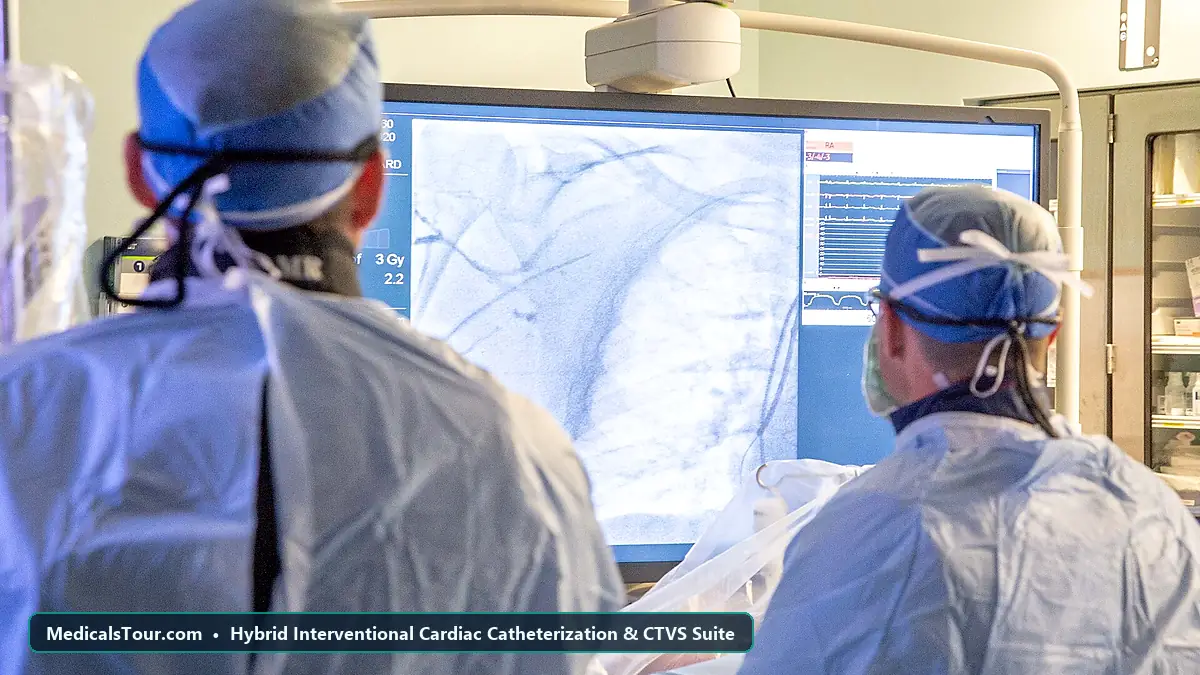
Inside Fortis Escorts New Delhi & Apollo Greams Road Chennai: Campus Logistics
Where you undergo open-heart surgery shapes not just clinical outcomes, but how rested and supported your spouse feels during the three days you spend inside the Cardiac Surgical ICU. Two heritage centers anchor the US-to-India cardiac corridor.
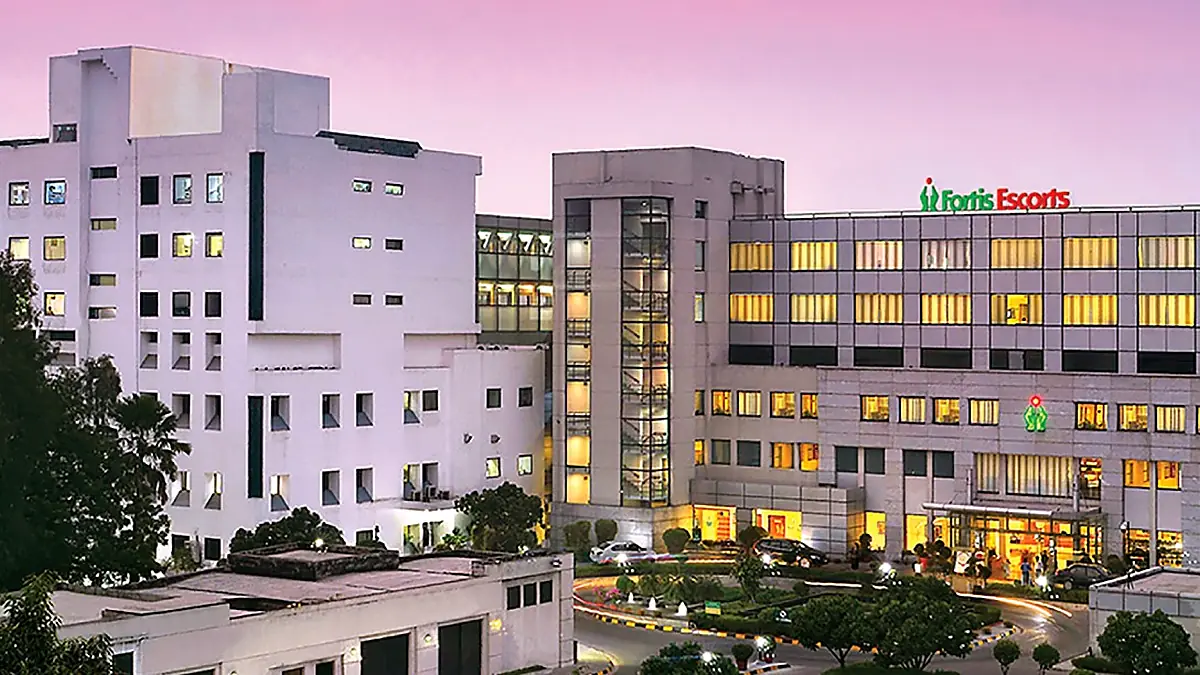
Fortis Escorts Heart Institute, Okhla Road, New Delhi
Located in Southeast Delhi 250 meters from Sukhdev Vihar Metro Station on the Magenta Line (about 35 to 45 minutes east of DEL Terminal 3), Fortis Escorts Heart Institute is a standalone 310-bed cardiac-only hospital rather than a general hospital wing where surgical floors compete with infectious medicine admissions. Five dedicated laminar-airflow CTVS modular theaters connect directly to 1:1 nurse-staffed post-op cardiac ICUs equipped with Swan-Ganz continuous cardiac output monitors, point-of-care arterial blood gas analyzers, nitric oxide ventilators, IABP consoles, and 24/7 ECMO backup. Every morning at 10:30 AM, CTVS registrars hold structured family briefings in the International Lounge so accompanying spouses never wait in hallways for updates. Relatives typically stay five minutes away at The Suryaa New Delhi in New Friends Colony or Crowne Plaza Okhla, where walkable markets, pharmacies, and quiet cafés make daily ICU visiting hours effortless.
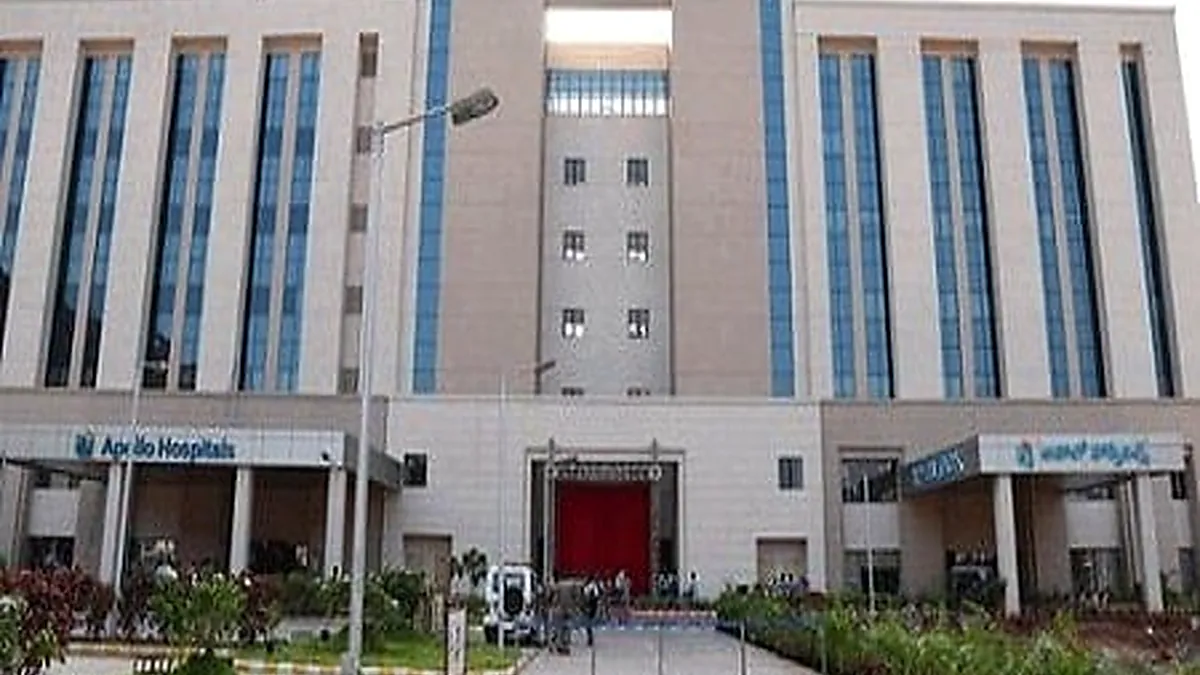
Apollo Hospitals, Greams Road, Thousand Lights, Chennai
In central Chennai, Apollo Hospitals, Greams Road combines one of Asia’s highest-volume structural heart, MICS-CABG, mitral valve repair, and TAVR institutes with warm, humid coastal air that eases post-extubation airway clearance during North American winter months. Situated in the upscale Nungambakkam–Thousand Lights diplomatic belt (40 minutes from Chennai MAA Airport), spouses stay within a 4-minute cab ride at Taj Coromandel, The Park Chennai, or elevator-equipped Form-C serviced apartments along Haddows Road and Wallace Garden. International coordinators pre-arrange ID-NAT-tested blood-bank cross-matching—note that while A+, B+, and O+ units are abundant, Rh-negative US patients (A-, O-, B-, AB-) should alert the International Desk 14 days pre-arrival so dedicated donor units and intraoperative cell-saver autotransfusion kits are reserved before sternotomy. Both campuses enforce strict outside-food bans on inpatient cardiac telemetry wards, preparing calibrated 1,500-mg low-sodium meals in dietitian-supervised kitchens while giving spouses comfortable ground-floor cafés and attendant lounges.
Contingency Budgeting: ICU Overruns, Blood Products & Antiplatelet Washout
Honest cardiac financial planning means preparing a 15% to 20% contingency buffer above the base Single Private package quote, plus budgeting $380 to $650 for Day-1 outpatient pre-admission diagnostics (repeat 2D/3D echocardiogram, chest X-ray, carotid duplex, pulmonary function spirometry, coagulation panel, viral serology, and nasal MRSA swab) billed prior to inpatient admission. While an uncomplicated 7-night CABG package ($5,600–$7,800) covers routine surgery, cell-saver blood conservation, anesthesia, 2 to 3 ICU nights, and 4 telemetry ward nights, three clinical variables can legitimately expand the final invoice:
- Pre-Operative Antiplatelet Washout Days: If you take clopidogrel (Plavix), prasugrel, ticagrelor (Brilinta), or direct oral anticoagulants (Eliquis/Xarelto), cardiac surgeons normally require a 5-to-7-day washout (while continuing low-dose aspirin 81 mg, or bridging high-risk left-main patients inpatient on short-acting IV unfractionated heparin) before surgery to prevent post-op mediastinal tamponade or re-exploration. Never stop blood thinners before flying without written dual sign-off from both your US cardiologist and Indian CTVS team.
- Extended Hemodynamic Support or Post-Op Atrial Fibrillation: Roughly 20% to 25% of CABG and valve patients worldwide develop transient post-op atrial fibrillation around Day 2 or Day 3 requiring IV amiodarone infusion, potassium/magnesium repletion, and an extra telemetry ICU night ($320–$480/day). Rarely, severely depressed pre-op ejection fraction (<30% LVEF) requires prophylactic Intra-Aortic Balloon Pump (IABP) counterpulsation, adding $1,200 to $1,800 for the disposable fiber-optic balloon catheter.
- Co-Existing Diabetes & Sternal Wound Protection: Diabetic CABG patients receiving skeletonized bilateral mammary grafts require strict continuous IV insulin Portland-protocol infusions keeping blood glucose between 120 and 170 mg/dL, titanium sternal cable/plate reinforcement in heavy chests, and negative-pressure PICO incision dressings ($180–$260) to safeguard sternal bone union.
Model both your base surgical quote and a 3-day ICU contingency cushion inside our Medical Trip Total Budget Planner before initiating your advance SWIFT wire 5 business days prior to admission. Patients carrying implanted dual-chamber pacemakers or AICD defibrillators from prior US cardiac episodes should also pack their manufacturer device identification card (Medtronic, Abbott, or Boston Scientific) so the hospital electrophysiology technician can program safe asynchronous magnet modes prior to electrocautery incision and re-interrogate lead thresholds before ward discharge.
Post-Sternotomy Hotel Recovery, Sternal Precautions & Fit-to-Fly Clearance
Discharging from the cardiac ward on Day 7 does not mean heading straight to the airport. Commercial airlines following International Air Transport Association (IATA) Aeromedical Manual guidelines require a minimum observation window before clearing post-thoracic surgical travelers into an 8,000-foot cabin pressure environment, where trapped pleural air expands by up to 30%.
| Cardiac Procedure Type | Typical Inpatient Stay | Post-Discharge Hotel Buffer | Mandatory Pre-Flight Clinical Gate |
|---|---|---|---|
| Transfemoral TAVR / TAVI Valve | 3 – 4 Nights | 4 – 6 Hotel Nights | Groin femoral access healed, stable AV conduction (no new LBBB pacemaker need), echo gradient check. |
| MICS-CABG (Left Mini-Thoracotomy) | 5 – 6 Nights | 7 – 8 Hotel Nights | Clear upright chest X-ray ruling out pleural effusion/pneumothorax, Hb > 10 g/dL, pain controlled orally. |
| Standard Sternotomy OPCABG (3–4 Grafts) | 6 – 7 Nights | 8 – 10 Hotel Nights (Fly Day 14–17) | Firm non-clicking sternum, dry pacing-wire exit sites, SpO₂ ≥ 95% on room air, sinus rhythm on ECG. |
| Surgical Valve Replacement (Mechanical / Tissue) | 7 – 8 Nights | 9 – 11 Hotel Nights (Fly Day 16–19) | Stable therapeutic PT/INR (2.0–3.0 aortic; 2.5–3.5 mitral) across two consecutive blood draws 72h apart. |
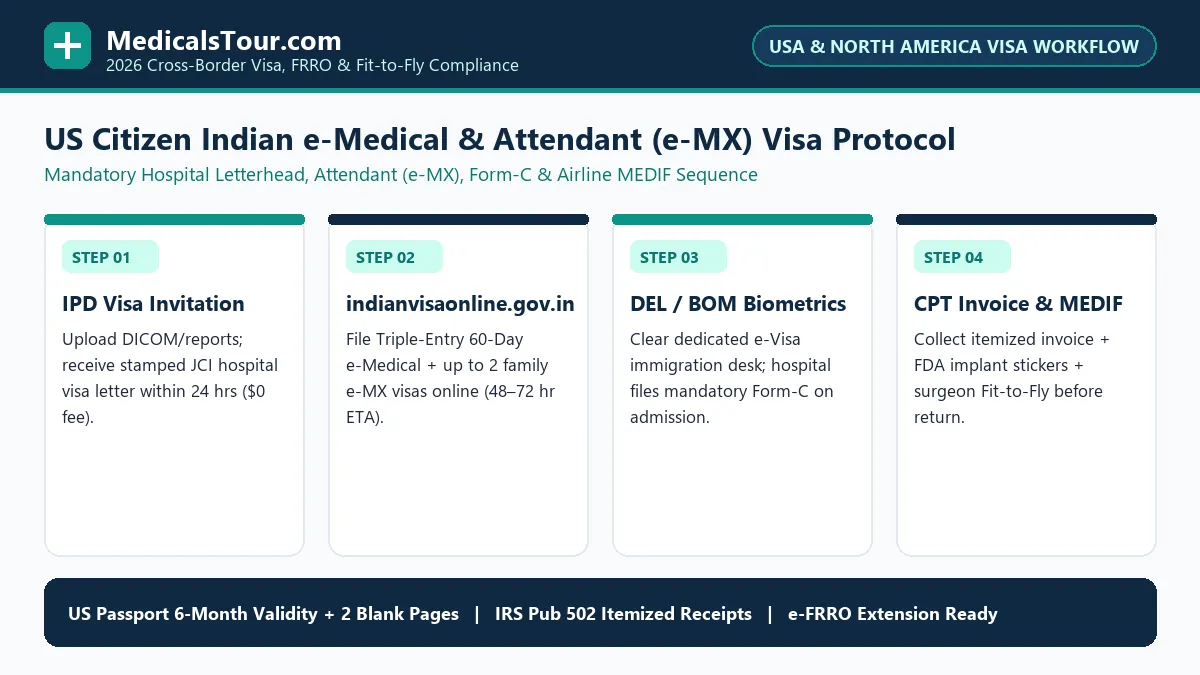
During hotel convalescence in New Delhi or Chennai, wear your thoracic support vest continuously, avoid lifting over 5 pounds, use your three-ball incentive spirometer 10 times hourly while awake, and take three 10-minute flat indoor corridor walks daily. Check your body weight each morning before breakfast using a digital bathroom scale at the hotel: gaining more than 3 pounds across 48 hours signals early fluid retention that your CTVS registrar can resolve immediately with a minor oral furosemide or torsemide adjustment long before ankle edema or breathlessness develops. On Day 14, your CTVS surgeon performs a repeat bedside echocardiogram, removes epicardial pacing-wire skin sutures, and signs your Fit-to-Fly Medical Certificate so airline MEDIF wheelchair assistance (and supplemental in-flight medical oxygen if rare borderline pulmonary hypertension requires it) is locked in 72 hours before departure.
Structured Hand-Off to Phase II Cardiac Rehab Back in the United States
Returning home from a cross-border heart bypass succeeds long-term when Phase II outpatient cardiac rehabilitation and domestic cardiology surveillance begin right on schedule in Week 4. Supervised telemetry exercise sessions three times weekly in the US rebuild aerobic confidence, titrate beta-blocker target heart rates, and reinforce Mediterranean/low-sodium lipid control so arterial grafts remain patent for decades. Before leaving Fortis Escorts or Apollo Chennai, verify through Medical Tour’s pre-discharge checklist that your physical folder and encrypted USB/cloud link contain five essential items for your US cardiologist:
- Detailed Operative Diagram & Flowmeter Printout: Specifying exact conduit anatomy—for example, in-situ LIMA to mid-LAD, radial artery Y-graft to obtuse marginal OM1 and PDA—alongside Medistim TTFM flowmeter readings (mL/min and pulsatility index) so any future US interventionalist knows where every bypass originates.
- Implant Identification Card & MRI Conditional Rating: Official manufacturer serial-number wallet card for any Edwards, Abbott St. Jude, or Medtronic heart valve, annuloplasty ring, or sternal titanium plate fixation system (all modern prostheses are 1.5T and 3T MRI-conditional).
- Discharge Echocardiogram, Chest X-Ray & 12-Lead ECG: Documenting post-revascularization LVEF, zero pericardial effusion, and baseline post-op ECG waveform (preventing false alarms if mild benign post-pericardiotomy T-wave changes appear at a US clinic).
- 30-Day Generic-Labeled Bridge Medication Supply & Time-Zone Dosing Plan: Original blister-packed dual antiplatelets (aspirin + clopidogrel/ticagrelor), high-intensity rosuvastatin/atorvastatin, beta-blocker, SGLT2 inhibitor, and diuretics in cabin carry-on luggage, plus a written 24-hour clock shifting schedule across the 10.5-hour time jump home. Mechanical valve recipients must schedule a US anticoagulation clinic INR blood draw within 72 hours of landing, as airline food changes affect warfarin metabolism.
- Direct Consultant Email & Telemedicine Check-In: Both Fortis Escorts and Apollo Greams Road include a complimentary Day-30 post-return video follow-up to review sternal healing and lipid panels, and should your local cardiac rehab director or primary care physician across any of our international patient corridors have a medication titration question, Indian CTVS teams answer peer-to-peer physician emails promptly.