Pause outside the double-door airlock of the Hematopoietic Stem Cell Transplant wing on Pusa Road in central New Delhi and your eye goes straight to the digital differential-pressure gauge mounted beside the scrub sink. Inside each single-occupancy isolation suite, ceiling-mounted terminal 0.3-micron HEPA filters cycle twelve complete air exchanges every hour, holding room pressure consistently 5 to 8 Pascals above the outer corridor so zero airborne Aspergillus fungal spores drift inward when a hematology nurse enters in sterile gown and mask. Even the en-suite shower and sink taps run through point-of-use 0.2-micron bacterial filtration and ultraviolet sterilization loops engineered to block waterborne Pseudomonas and Legionella during the ten-day window when a patient’s absolute neutrophil count sits flat at zero.
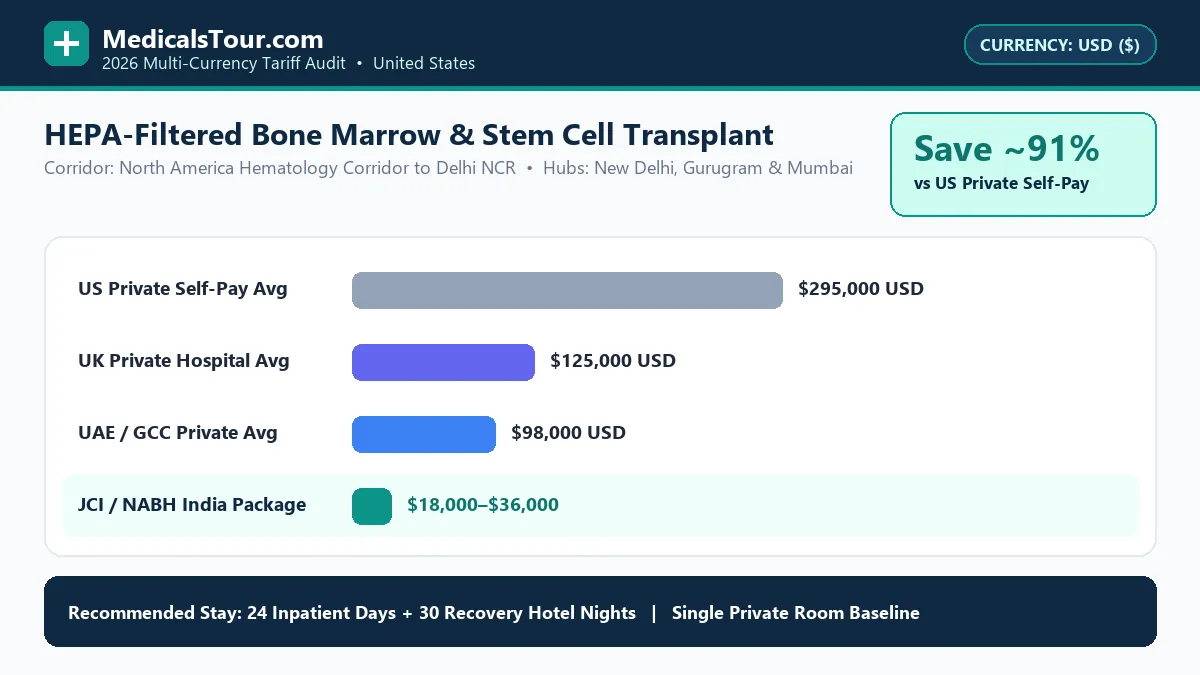
For families in the United States and Canada facing relapsed multiple myeloma, Hodgkin or diffuse large B-cell lymphoma, acute myeloid leukemia (AML), severe aplastic anemia, or transfusion-dependent beta-thalassemia, clinical survival hinges on accessing that exact positive-pressure infrastructure before disease relapse outruns remission. Yet across North America, Bone Marrow Transplant (BMT) remains one of the single highest-billed inpatient procedures in modern medicine: commercial chargemaster and self-pay quotes run $185,000 to $310,000 for an autologous stem cell rescue and climb past $480,000 to $800,000 for matched-sibling or haploidentical allogeneic transplantation when narrow insurance networks deny out-of-state cancer center referrals or lifetime stop-loss disputes erupt.
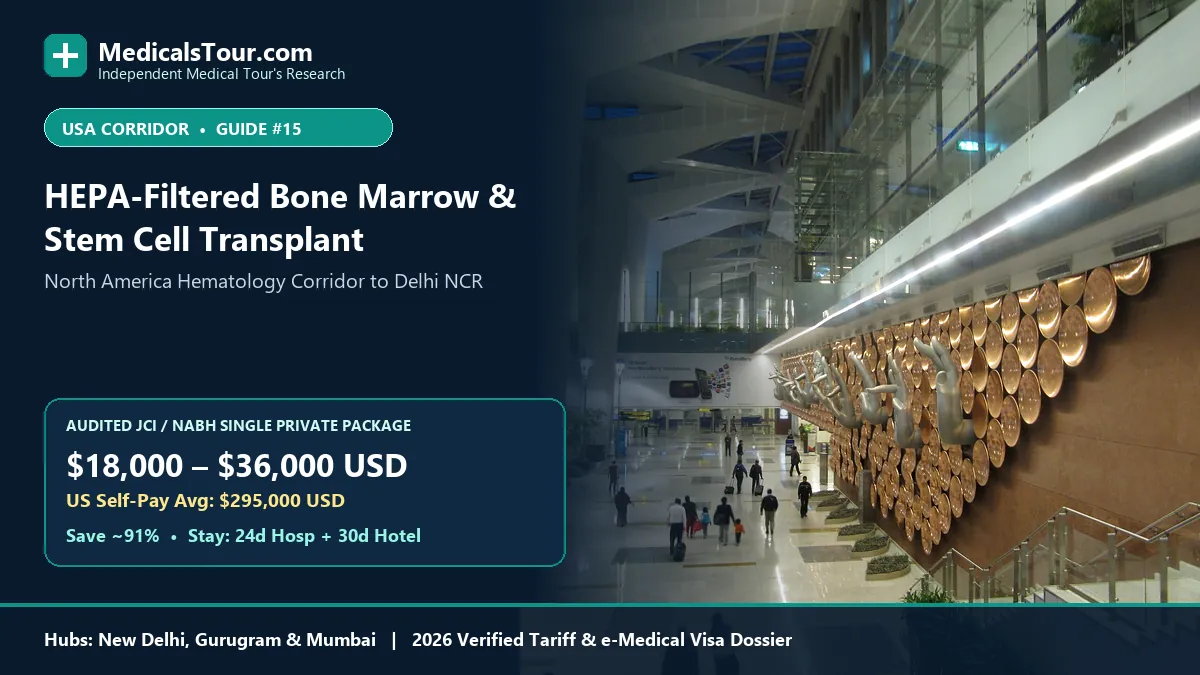
Through Medical Tour’s 2026 hematology-oncology tariff audit across New Delhi, Gurugram, and Mumbai, we reviewed real inpatient BMT invoices, apheresis CD34+ stem-cell mobilization yields, Post-Transplant Cyclophosphamide (PTCy) graft-versus-host prophylaxis protocols, and post-discharge apartment containment budgets. Accredited Indian quaternary centers deliver autologous BMT between $18,000 and $23,500 and related allogeneic BMT between $26,500 and $38,000—representing an 85% to 90% cost reduction inside JCI- and NABH-governed isolation units.
Inside the Six-Figure Gap Between North American and Delhi NCR Stem Cell Units
Unlike solid-organ surgery or joint arthroplasty—where titanium hardware or robotic consoles drive hospital pricing—Bone Marrow Transplantation is fundamentally an intensive pharmacology, apheresis blood-banking, and sterile nursing discipline. In a US academic medical center, twenty-four consecutive inpatient days inside a reverse-isolation oncology room generate $110,000 to $165,000 in baseline room-and-board facility charges before a single vial of high-dose melphalan, busulfan, fludarabine, or plerixafor is dispensed. Pharmacy markups under US buy-and-bill hospital schedules then multiply generic conditioning chemotherapy and growth-factor injections five- to tenfold.
India’s structural advantage stems from two converging realities: high-volume clinical hematology teams trained at premier fellowships in the UK, US, and India (DM Clinical Hematology), paired with domestic WHO-GMP pharmaceutical manufacturing of biosimilar filgrastim, plerixafor, melphalan, bortezomib, Defibrotide-alternatives, and voriconazole at 8% to 15% of North American hospital acquisition cost. Flagship Delhi NCR programs perform 180 to 300 transplants per single hospital unit each year, giving bedside BMT nurses deep pattern recognition for early mucositis, sinusoidal obstruction syndrome, and subtle gram-negative febrile spikes.
Unlike solid-organ transplantation under India’s THOA surgical law, peripheral blood stem cell collection is regenerative and non-mutilating—meaning HLA-matched siblings, parents, adult children, and international registry donors (sourced through DATRI India, DKMS Germany, or NMDP/Be The Match) follow streamlined hematology consent rules rather than multi-week statutory surgical Authorization Committees. Clinical outcomes across high-volume Delhi NCR units track closely with CIBMTR (Center for International Blood and Marrow Transplant Research) and EBMT benchmarks: 100-day treatment-related mortality sits below 2% for standard-risk autologous myeloma rescues and 8% to 13% for matched-sibling allogeneic transplants performed in first complete remission (`CR1`). Young North American adults under forty should also discuss sperm banking or ovarian tissue/oocyte cryopreservation with their home fertility team prior to departing, since myeloablative alkylating conditioning permanently impairs gonadal reserve. Patients evaluating broader cancer modalities such as focal radiation prior to transplant conditioning can also consult our US-to-India Oncology & Proton Beam Therapy Audit and PET-CT Staging & Radiation Tariff Guide.
2026 Hematology Tariffs: Autologous, Matched-Sibling & Haploidentical BMT Packages
Corporate hematology institutes quote BMT as a structured 21-to-28-day HEPA inpatient bundle covering central venous Hickman or PICC line insertion, G-CSF mobilization, Spectra Optia leukapheresis, cryopreservation (where applicable), myeloablative or reduced-intensity conditioning chemotherapy, irradiated blood product quotas, and daily hematologist rounds. Use our Medical Trip Budget Planner to model flights, 35-to-60-day step-down apartment rent, and reserve buffers.
| Stem Cell Transplant Modality & Indication | US Self-Pay / Billed Avg | India HEPA Unit Package (USD) | Typical HEPA Ward Days & Recommended Reserve |
|---|---|---|---|
| Autologous Peripheral Blood Stem Cell Transplant (Multiple Myeloma, Relapsed Hodgkin / DLBCL) |
$185,000 – $310,000 | $18,000 – $23,500 | 18–22 HEPA days; patient donates own CD34+ cells; zero GVHD risk. Hold $4,000 contingency buffer. |
| Matched Related Donor (MRD) Allogeneic BMT (10/10 HLA-Identical Sibling for AML, ALL, MDS, SAA) |
$420,000 – $610,000 | $26,500 – $32,500 | 24–28 HEPA days; includes donor HLA confirmatory typing, mobilization & cyclosporine/tacrolimus prophylaxis. Hold $7,500 buffer. |
| Haploidentical (Half-Matched Family) Allogeneic BMT (Parent, Child or 5/10 Sibling using PTCy Protocol) |
$510,000 – $740,000 | $31,500 – $38,500 | 26–32 HEPA days; Baltimore Post-Transplant Cyclophosphamide (Days +3/+4) + viral PCR monitoring. Hold $9,000–$12,000 buffer. |
| Matched Unrelated Donor (MUD) Allogeneic BMT (DATRI / DKMS / NMDP Registry Stem Cell Procurement) |
$580,000 – $820,000 | $36,000 – $48,000+ | 26–32 HEPA days; international registry courier & donor harvest fee ($14,000–$22,000) billed at direct registry invoice cost. |
Why Financial Honesty Demands a Separate Complication Buffer
Any hematologist who promises a fixed flat-rate price to the dollar in allogeneic transplantation is glossing over immune biology. While 80%+ of autologous myeloma patients sail through Melphalan conditioning and discharge right on Day 19 within the base $19,500 package, half-matched haploidentical and acute-leukemia recipients can experience Grade II–III acute Graft-versus-Host Disease (GVHD), Cytomegalovirus (CMV) reactivation requiring intravenous ganciclovir or oral letermovir, or carbapenem-resistant neutropenic sepsis. Holding a dedicated 20% to 30% liquid reserve ($5,000 for auto; $9,000–$12,000 for allo/haplo) guarantees immediate access to ruxolitinib, extra single-donor apheresis platelets, or ICU step-up days without financial panic.
Ask the BMT coordinator to clarify exactly how many irradiated single-donor apheresis platelet (`SDP`) bags and packed red blood cell units are bundled inside the base tariff (typically six to eight `SDP` units and four red-cell units in standard allogeneic packages) and confirm per-unit hospital blood-bank pass-through pricing (~$145–$190 per irradiated `SDP` harvest) should delayed megakaryocyte engraftment require extra transfusions during Week 3.
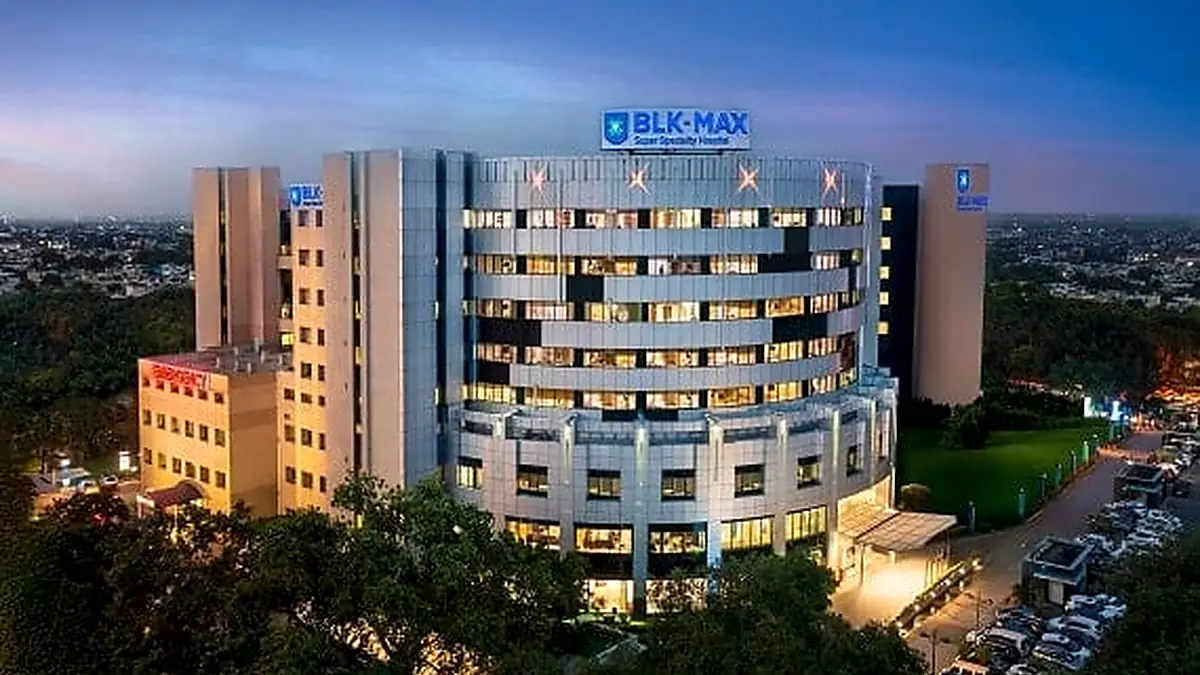
Engineering Positive-Pressure HEPA Suites at BLK-Max Pusa Road and Fortis Gurugram
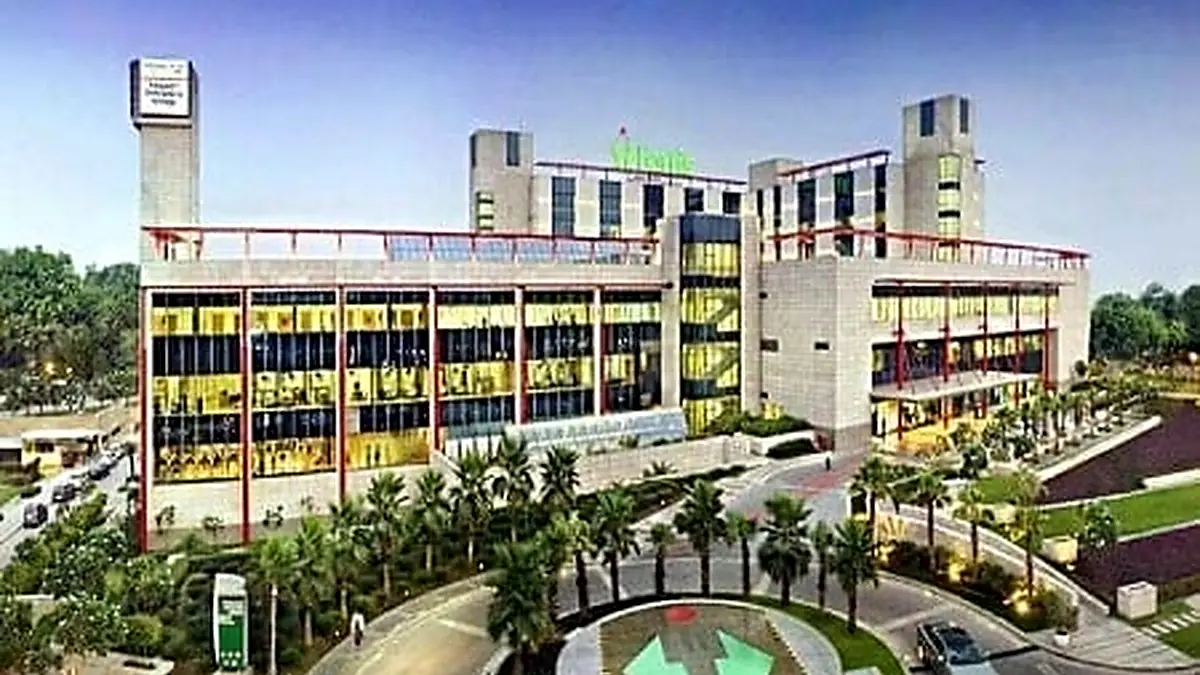
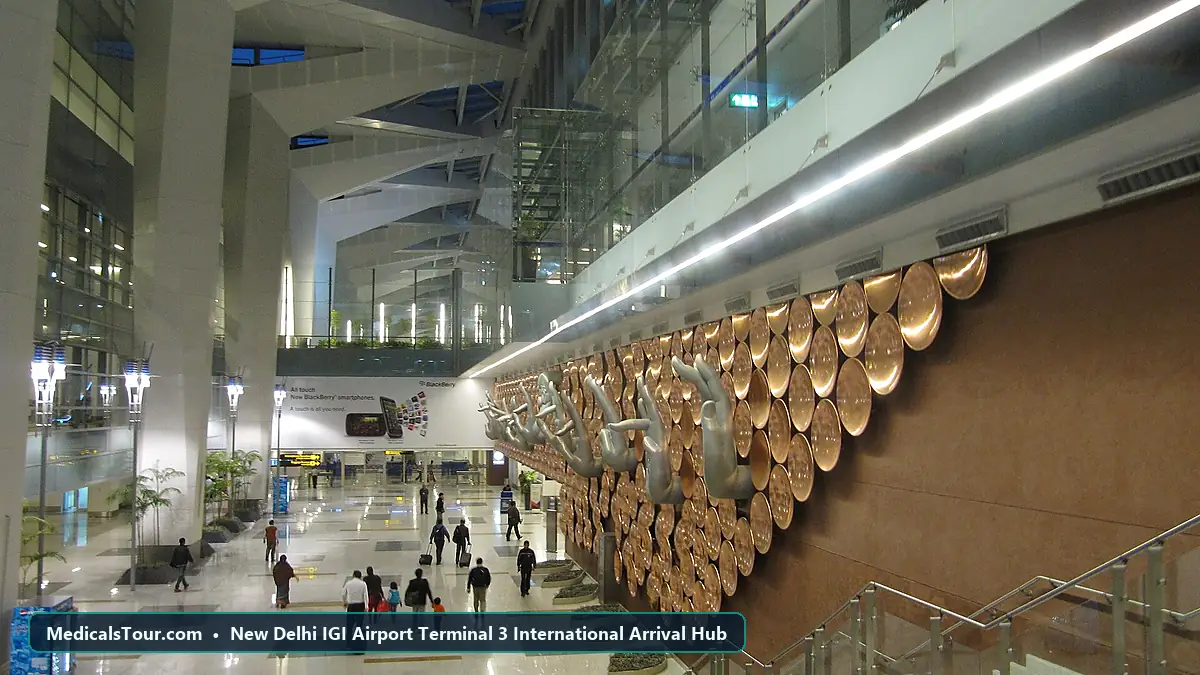
Two of Asia’s largest dedicated private BMT centers sit forty minutes apart across the Delhi NCR expressway corridor, both directly accessible from Indira Gandhi International Airport Terminal 3. Near Rajendra Place Metro Station in central New Delhi, BLK-Max Super Speciality Hospital on Pusa Road operates one of India’s highest-capacity standalone Bone Marrow Transplant hubs—featuring more than twenty-five individual positive-pressure HEPA-filtered isolation suites, dedicated apheresis suites running Terumo BCT Spectra Optia cell separators, and an onsite NABL-accredited molecular hematopathology and flow-cytometry laboratory.
Across the Haryana border in Sector 44 opposite HUDA City Centre, Fortis Memorial Research Institute (FMRI), Gurugram anchors pediatric and adult hemato-oncology inside a JCI-accredited quaternary campus known internationally for haploidentical T-cell-replete and TCR-alpha/beta-depleted transplants, alongside autologous HSCT protocols for refractory autoimmune neurological conditions when indicated by multidisciplinary review.
Inside both facilities, infection-control architecture goes far beyond sticking a portable air purifier in a regular hospital room. Jointless epoxy-coved wall-to-floor corners eliminate dust crevices; pass-through UV-interlocked transfer hatches deliver autoclaved linen and pressure-cooked low-microbial trays without opening corridor doors; dedicated BMT nursing ratios stay capped at 1:1 or 1:2 per shift; and onsite blood banks operate Cesium-137 or X-ray blood irradiators 24/7 so every packed red cell and single-donor platelet unit receives 25 Gray gamma irradiation to prevent fatal transfusion-associated GVHD.
Molecular diagnostics inside the same hospital campus shave critical hours off febrile clinical decisions. When a neutropenic recipient develops subtle diarrhea or respiratory crackles on Day +9, onsite NABL laboratories run multiplex FilmArray gastrointestinal and bronchoalveolar PCR panels, serum Aspergillus galactomannan antigen assays, beta-D-glucan fungal screens, and six-hour therapeutic drug monitoring for busulfan, cyclosporine, tacrolimus, and posaconazole levels without shipping blood tubes across town in summer heat.
Stem Cell Mobilization, Plerixafor Apheresis & Conditioning Regimens Explained
Modern peripheral blood stem cell transplantation rarely involves drilling multiple aspirate needles into the pelvic iliac crest inside an operating room—save for specific pediatric aplastic anemia or thalassemia protocols where true bone marrow harvest lowers chronic GVHD risk. In over 90% of adult autologous and allogeneic cases in Delhi and Gurugram, stem cells are harvested painlessly from peripheral arm or central-line blood over a four-hour outpatient apheresis chair session.
- G-CSF + Plerixafor Mobilization (Days -9 to -5): Daily subcutaneous granulocyte colony-stimulating factor (filgrastim 10 mcg/kg) coaxes CD34+ hematopoietic stem cells out of bone marrow niches into circulating blood. In heavily pretreated American myeloma or lymphoma patients who previously received lenalidomide or radiation, Indian teams add an evening injection of CXCR4 antagonist Plerixafor (Mozobil/generic) twelve hours prior to collection—routinely doubling CD34+ yield past the target 3.0 to 5.0 × 10⁶ cells/kg in a single apheresis sitting.
- Controlled-Rate Cryopreservation vs Fresh Infusion: Autologous harvests are mixed with DMSO cryoprotectant and frozen at -80°C or liquid-nitrogen vapor phase while high-dose conditioning chemotherapy clears residual marrow disease. Allogeneic sibling/haplo harvests are typically timed fresh for immediate Day 0 intravenous infusion right after conditioning ends.
- Tailored Conditioning Intensity: Fit patients under sixty receive full myeloablative regimens (such as Melphalan 200 mg/m² with oral cryotherapy ice-chips to cut stomatitis by half, BEAM for lymphoma, or Busulfan-Fludarabine with pharmacokinetic exposure targeting), whereas older North American patients aged 62 to 72 receive Reduced-Intensity Conditioning (RIC) engineered for safe engraftment without organ toxicity.
Before initiating mobilization or conditioning, every North American family donor and recipient undergoes high-resolution 10-locus or 12-locus Next-Generation Sequencing (NGS) HLA typing (`HLA-A, -B, -C, -DRB1, -DQB1, -DPB1`) plus donor-specific anti-HLA antibody (DSA) screening. In half-matched haploidentical transplants—where a son, daughter, or parent shares exactly one haplotype—confirming negative DSA titers prevents primary graft rejection, while administering high-dose Post-Transplant Cyclophosphamide on Days +3 and +4 selectively prunes alloreactive donor T-cells while sparing regulatory T-cells and memory stem cells.
Surviving the Nadir Window: Neutropenic Fever Protocols, Irradiated Blood & Engraftment
Transplant hematologists count time outward from Day 0—the afternoon your thawed or fresh CD34+ stem cells drip quietly through your central line like a thirty-minute blood transfusion. Days +1 through +10 represent the biological nadir: conditioning chemotherapy has wiped out old marrow, oral and gut mucosal linings turn tender, and white blood counts drop below 100 cells/µL until infused stem cells home to marrow sinusoids and begin dividing.
| Transplant Phase | Timeline Benchmark | Clinical Focus & Lab Surveillance |
|---|---|---|
| Pre-BMT Organ & Dental Clearance | Days -14 to -8 (Outpatient) | PET-CT / bone marrow minimal residual disease (MRD) check, 2D Echo (LVEF ≥50%), PFT with DLCO, dental panorex to clear hidden root abscesses & Hickman/PICC placement. |
| Conditioning & Stem Cell Infusion | Days -7 to Day 0 (HEPA Ward) | Admit to positive-pressure suite; antiemetic & tumor-lysis hydration, conditioning chemo; Day 0 stem cell infusion; Days +3/+4 PTCy cyclophosphamide in haplo cases. |
| Cytopenic Nadir & Engraftment | Days +1 to +16 (HEPA Ward) | Golden-hour (<45 min) IV cefepime/meropenem if fever ≥38.0°C; irradiated platelet support; Neutrophil Engraftment (ANC >500/µL x 3 days) typically hits Day +11 to +15. |
| Early Immune & Gut Recovery | Days +17 to +26 (Ward Discharge) | Oral intake rebounds above 1,500 kcal/day, platelet transfusion independence (>20,000/µL), baseline Day +28 bone marrow chimerism & step-down to sanitized apartment. |
| Outpatient Surveillance Window | Days +27 to +45 (Auto) / +75 (Allo) | Twice-weekly clinic CBC, renal/liver panel, tacrolimus/cyclosporine trough, weekly CMV PCR & galactomannan checks before Fit-to-Fly clearance. |
Notice the decisive difference in total stay length between modalities: autologous myeloma or lymphoma patients routinely fly back to North America around Day +32 to Day +40 (roughly 6–7 total weeks in India), whereas matched-sibling and haploidentical allogeneic recipients must stay near the hospital through Day +65 to Day +90 (10–13 total weeks) until acute Day-100 GVHD and CMV reactivation windows stabilize. One dedicated healthy family caregiver typically rooms inside the HEPA isolation suite alongside the patient throughout inpatient conditioning and nadir, wearing hospital-laundered scrubs and following identical low-microbial shower and meal rules to provide emotional steadiness.
Supportive symptom control inside the HEPA suite prevents avoidable deconditioning during that nadir fortnight. Oncology dietitians step in with sterile Total Parenteral Nutrition (`TPN`) or high-calorie peptide shakes whenever Grade II–III pharyngeal mucositis makes swallowing painful between Days +5 and +11, while UV-sanitized bedside pedal ergometers and light resistance bands keep quadriceps muscle mass active for twenty minutes daily so corticosteroid or calcineurin fatigue never leaves you bedbound at engraftment.
Sanitized Serviced Apartments, Neutropenic Meal Prep & FRRO Visa Extensions
Stepping out of the HEPA ward into a Delhi or Gurugram serviced apartment requires maintaining disciplined domestic isolation rather than sightseeing. Both BLK-Max (surrounded by elevator apartments in Rajendra Nagar and Karol Bagh/Patel Nagar) and Fortis Gurugram (surrounded by modern gated high-rises in Sector 43, Sector 44, and Sushant Lok) maintain vetted lists of multi-bedroom medical apartments equipped with full induction kitchens, RO water purifiers, and washing machines ($55 to $95 per night).
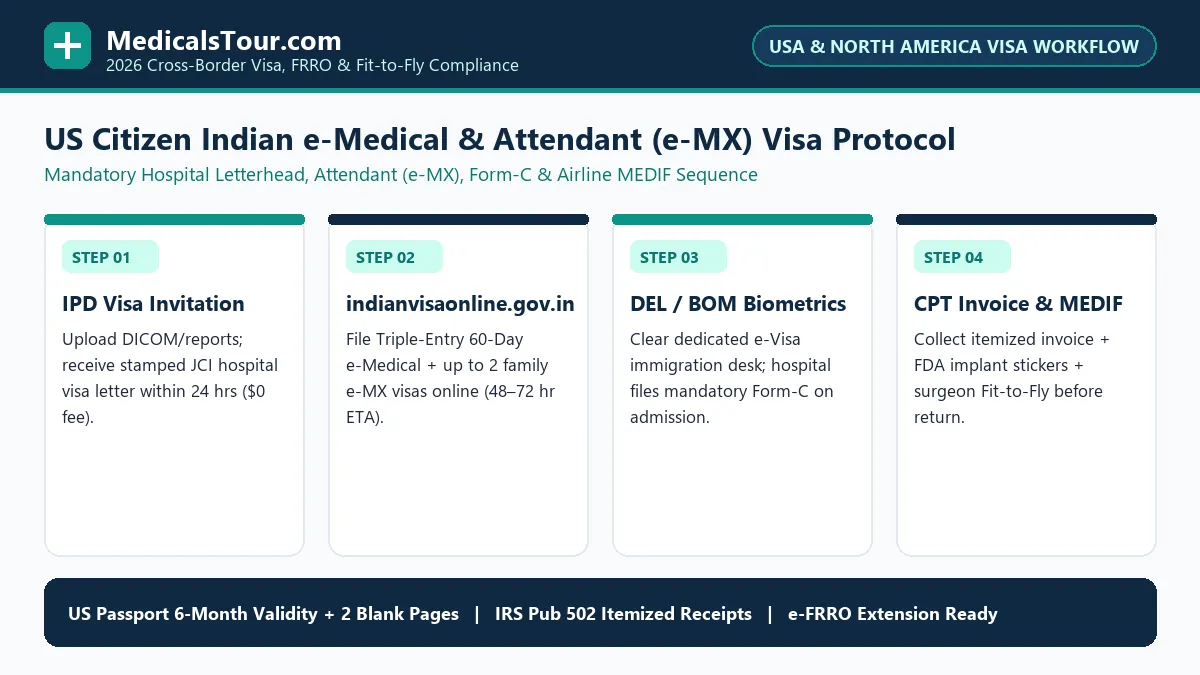
Have your companion deep-clean bathroom surfaces with diluted sodium hypochlorite prior to hospital discharge, run a bedroom HEPA air purifier continuously, and ban potted soil plants, fresh cut flowers, raw black pepper, unpasteurized yogurt, and takeout street food for the entire stay. Every patient and donor traveling for BMT enters on an Indian Medical Visa—and because 8-to-12-week stays cross mandatory registration thresholds, hospital international desks submit your address Form-C and online e-FRRO medical registration or extension online without police-station queues; review paperwork requirements in our FRRO Medical Visa Registration & Extension Guide.
Blood-donor logistics also merit an upfront check with your hospital coordinator. High-volume Delhi NCR blood banks supply routine packed red cells and single-donor apheresis platelets from screened voluntary pools, yet patients carrying rare Rh-negative blood groups (`O-negative`, `AB-negative`, `B-negative`—present in 15% of Caucasian Americans versus under 5% of South Asians) should alert the BMT coordinator three weeks before flying so rare-donor apheresis panels are pre-scheduled in advance. Similarly, because hospital deposits and progressive inpatient billing cross $20,000 to $38,000, arrange direct US bank SWIFT transfers ahead of conditioning start using our Hospital SWIFT Wire & Forex Billing Guide so daily credit-card fraud ceilings never interrupt pharmacy dispensing.
Chimerism Assays, Revaccination Schedules & Returning to Your Home Hematologist
Before clearing an international BMT recipient for a 15-hour return flight to JFK, Newark, Toronto, or San Francisco, Indian hematology teams confirm four objective benchmarks: sustained absolute neutrophil count above 1,500/µL without daily growth factors, untransfused hemoglobin above 9.0 g/dL and platelets above 50,000/µL, negative quantitative CMV/EBV PCR blood viral loads, and—in allogeneic cases—short-tandem-repeat (STR) donor chimerism ≥ 95% to 99% proving complete donor marrow takeover without active gut or hepatic GVHD.
Central venous Hickman or PICC catheters are either removed sterilely forty-eight hours before departure (common in autologous myeloma patients ready to begin lenalidomide maintenance at home) or flushed with heparin/taurolidine lock solution with an airline medical letter if ongoing infusions are planned with your home oncologist. Carry a 90-day supply of acyclovir, fluconazole/posaconazole, cotrimoxazole, and brand-matched calcineurin inhibitors in your cabin bag, wear a snug N95 respirator gate-to-gate, and book lie-flat Business Class if family budget allows to minimize crowded cabin exposure. For myeloma patients harvested with double-transplant intent, clarify ahead of travel that stored excess frozen stem-cell bags normally remain banked in New Delhi rather than hand-carried across commercial airlines, unless specialized dry-shipper liquid-nitrogen medical couriers ($3,500+) are contracted.
Allogeneic recipients whose family donor carried a different ABO blood type (for example, an `A-positive` patient engrafted with `O-positive` sibling marrow) must also carry a laminated Post-BMT ABO-Incompatible Transfusion Alert Card back to their US hospital blood bank, specifying exact irradiated cellular and plasma group compatibility rules during the six-month blood-type conversion window. In Medical Tour’s hematology continuity reviews, one final long-term milestone deserves highlighting on your US calendar: stem cell transplantation erases childhood and adult vaccine memory. Coordinate with your North American hematologist to restart inactivated pneumococcal, Hib, polio, tetanus, and recombinant zoster revaccinations beginning at 6 months post-BMT (holding live-attenuated vaccines until ≥ 24 months off immunosuppression). Browse our International Medical Travel Corridors hub to compare accredited oncology and transplant pathways across India.