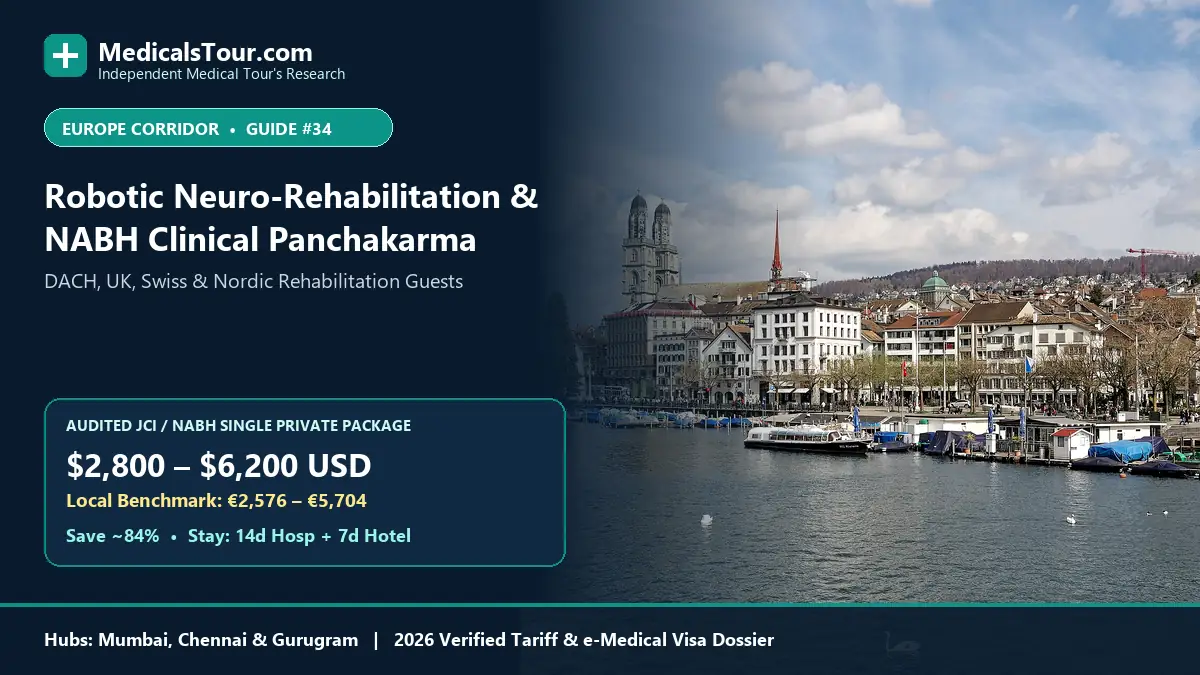
Ask any neurologist in Frankfurt, Zurich, London, or Stockholm about the cruelest mismatch in modern post-stroke and spinal-cord recovery, and they will point to week five on the calendar. During the subacute three-to-six-month neuroplasticity window following an ischemic stroke, traumatic brain injury, or incomplete cervical/thoracic spinal decompression, surviving cortical and spinal pathways rewire fastest when driven by three to four hours of daily, high-repetition task-specific motor training. Yet statutory German and Austrian Anschlussheilbehandlung (AHB) typically caps inpatient Phase C/D stays at three to four weeks, NHS community neuro-physiotherapy rations home visits to forty-five minutes twice a week, and private residential neuro-rehabilitation in Switzerland or Bavaria bills CHF 1,350 to €1,550 per day.
That therapeutic cliff explains why families across the DACH region, Switzerland, the United Kingdom, and Scandinavia increasingly plan structured three-to-six-week residential rehabilitation stays in Mumbai, Chennai, and Gurugram. Audited across Medical Tour’s 2026 rehabilitation tariff desk, Indian quaternary hospital physical medicine wings deliver intensive four-hour daily neuro-rehab—integrating Swiss-built Hocoma Lokomat Pro exoskeleton gait robotics, upper-limb bimanual robotics, transcranial magnetic stimulation, and physician-supervised NABH-accredited clinical Ayurveda—for $2,800 to $6,200 (€2,580 to €5,720 / CHF 2,460 to CHF 5,450) across a two-to-three-week inpatient admission.
Successfully combining high-technology Western neuro-physiotherapy with classical Indian integrative care requires strict clinical curation: separating genuine NABH-accredited medical institutions from unregulated beach-resort wellness spas, screening herbal regimens against European cardiovascular drugs, and choosing accurately between India’s e-Medical Visa and e-Ayush Visa.
The Neuroplasticity Gap: Why 4 Hours of Daily 1:1 Therapy in India Outpaces Rationed Outpatient Care
Motor cortex reorganization after hemiparetic stroke or incomplete spinal cord injury (ASIA Impairment Scale C and D) follows Hebbian dose-response laws: neurons that fire together wire together, provided repetition counts reach hundreds of purposeful movements per hour rather than twenty assisted steps across a parallel bar. In Western Europe, high-wage therapist staffing ratios force even elite private rehabilitation clinics to rely heavily on group classes or limit 1:1 robotic sessions to thirty minutes every second day.
Indian quaternary hospital rehabilitation centres assign dedicated 1:1 neurological physiotherapists, occupational therapists, speech-and-swallowing pathologists, and rehabilitation physicians across split morning and afternoon schedules totalling 180 to 240 minutes daily. Patients recovering from prior orthopaedic or spinal instrumentation can cross-reference surgical baselines in our Minimally Invasive Spine Surgery Cost Guide and Total Hip Replacement Cost Guide.
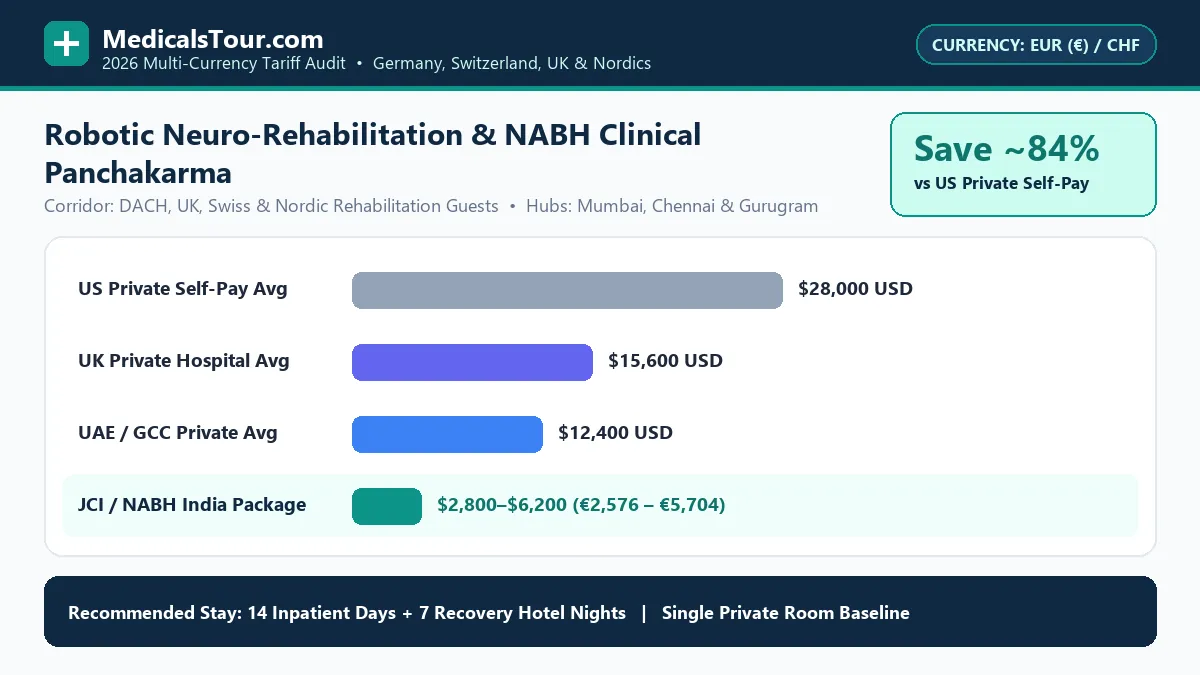
| Residential Rehabilitation Programme | DACH / Swiss Private (€ / CHF) | UK Private (£ GBP) | India JCI / NABH ($ USD / € / CHF) |
|---|---|---|---|
| 14-Day Inpatient Lokomat Robotic Neuro-Rehab | €18,500 / CHF 21,000 | £14,800 – £19,200 | $3,400 – $4,800 (€3,140 / CHF 2,990) |
| 21-Day Post-Stroke / TBI Multimodal Rehab (4 hrs/day) | €27,500 / CHF 31,500 | £21,500 – £28,000 | $4,600 – $6,200 (€4,245 / CHF 4,050) |
| 21-Day Incomplete Spinal Cord (ASIA C/D) Gait & Bladder Program | €29,000 / CHF 33,000 | £23,000 – £30,000 | $4,900 – $6,500 (€4,520 / CHF 4,310) |
| 14-Day NABH Clinical Panchakarma + Ortho/Spine Physio | €9,800 / CHF 11,400 | £7,600 – £10,200 | $2,800 – $4,200 (€2,580 / CHF 2,460) |
| Outpatient Lokomat + ArmeoSpring Day Package (per day) | €580 – €850 / day | £450 – £680 / day | $115 – $175 / day (€105 / CHF 100) |
Inpatient rehab bundles in Mumbai and Chennai include a wheel-in accessible Single Private Room with companion bed, three dietitian-calibrated meals daily, daily physiatrist ward rounds, and scheduled robotics—delivering three full weeks of intensive neurological recovery for less than four days of Swiss private clinic billing.
What Residential Rehab Quotes Separate Out
When reviewing a 14-day or 21-day inpatient rehabilitation Proforma Invoice, keep a $550 to $1,250 outpatient buffer for four non-bundled clinical items: Day 1 baseline 3T brain or spine MRI/CT re-evaluation and venous Doppler ultrasound (to rule out silent lower-limb deep vein thrombosis before starting robotic gait weight-bearing), ultrasound-guided botulinum toxin A (Botox/Xeomin) focal spasticity injections ($380–$750 per 100–200 unit vial if severe equinovarus ankle or clenched-fist flexor tone blocks orthotic fitting), custom carbon-fibre ankle-foot orthoses, and 60-day discharge medication supplies.
Inside Quaternary Neuro-Rehab Suites: Hocoma Lokomat Pro, ArmeoSpring, rTMS & FEES
European families evaluating an Indian neuro-rehabilitation wing should audit the exact biomechanical hardware installed on the gym floor rather than accepting generic ”physiotherapy“ brochures. Flagship physical medicine departments in Mumbai, Chennai, and Gurugram deploy the same Zurich-engineered neuro-robotics found at Valens or Schoen Klinik:
- Hocoma Lokomat Pro Exoskeleton Gait Orthosis: Dynamic body-weight-supported treadmill robotics guides paretic lower limbs through a physiological heel-strike-to-toe-off gait cycle while real-time biofeedback games challenge active hip and knee torque. A single 45-minute Lokomat session safely logs 1,200 to 1,800 symmetrical steps—nearly ten times the step count achievable via manual two-therapist overground facilitation—without risking therapist back strain or patient knee hyperextension.
- ArmeoSpring & Hand Tutor Upper-Limb Robotics: Because cortical hand representation recovers more slowly than proximal leg walk patterns, adjustable gravity-compensated exoskeletons support the hemiparetic shoulder and elbow across a 3D virtual workspace, amplifying tiny residual finger-extensor signals into functional grasp-and-release drills.
- Non-Invasive Brain Stimulation (rTMS & tDCS): Performed under neurologist mapping protocols, repetitive transcranial magnetic stimulation (low-frequency 1 Hz inhibition over the contralesional hemisphere or intermittent theta-burst excitation over ipsilesional motor/Broca’s cortex) primes synaptic excitability immediately prior to occupational or aphasia speech therapy.
- Dysphagia FEES, Aquatic Hydrotherapy & Urodynamics: Fiberoptic endoscopic evaluation of swallowing (FEES) paired with neuromuscular VitalStim therapy helps wean post-stroke patients safely off nasogastric or PEG feeding tubes, while 34°C warm-water hydrotherapy pools with hydraulic chair hoists build trunk core balance before dry-land cane walking.
Targeted Spasticity Control & Neurogenic Bladder Retraining
Robotic gait hours yield limited progress if untreated gastrocnemius-soleus clonus forces the foot into painful inversion or if indwelling urinary catheters trigger recurrent febrile infections. Indian physiatrists integrate real-time electromyography- and ultrasound-guided chemodenervation into Week 1 so ankle dorsiflexion opens up inside 72 hours, maximizing Lokomat stride symmetry. Simultaneously, spinal-cord and pontine-stroke patients undergo multichannel video-urodynamic testing to transition safely from continuous indwelling Foley catheters toward clean intermittent catheterization (CIC) schedules before flying back to Europe.
Separating NABH Clinical Ayurveda Hospitals from Unregulated Tourist Beach Resorts
Thousands of German, Austrian, and Swiss travelers have long valued Ayurveda-Kuren for chronic lumbar spondylosis, post-arthroplasty joint stiffness, fibromyalgia, Parkinsonian rigidity, and post-stroke spasticity. Yet medical travelers must draw a sharp line between unlicensed coastal tourist resorts offering synchronized spa oil massages and genuine NABH-Accredited AYUSH Hospitals regulated under India’s Ministry of AYUSH and the National Accreditation Board for Hospitals & Healthcare Providers. You can review how India’s national hospital quality seals operate in our JCI vs NABH Hospital Accreditation Guide.
Inside a true NABH-accredited clinical Ayurveda wing—or an integrative department affiliated with a tertiary hospital—care is led by university-qualified physicians holding a 5.5-year Bachelor of Ayurvedic Medicine and Surgery (BAMS) plus a 3-year Doctor of Medicine (MD-Ayurveda) residency in Kayachikitsa (internal medicine) or Panchakarma. For neurological spasticity and degenerative joint convalescence, clinicians emphasize external neuromuscular thermotherapies—such as Pizhichil (continuous warm medicated oil stream therapy that measurably reduces alpha-motor-neuron hypertonia in spastic hemiplegia), Patra Pinda Sweda / Navarakizhi (bolus fomentation improving fascial glide prior to stretching), and Shirodhara (autonomic down-regulation improving post-stroke sleep architecture)—rather than aggressive purgative detoxes unsuitable for frail patients.
Most importantly, hospital-integrated integrative medicine enforces strict pharmacovigilance against herb-drug interactions. European stroke and cardiac patients typically take apixaban, rivaroxaban, clopidogrel, dual antiplatelets, statins, baclofen, or levetiracetam. Unsupervised oral herbal decoctions containing high-dose Guggulu, garlic, or unstandardized metallic Rasa Shastra preparations can alter cytochrome P450 metabolism, raise INR bleeding risk, or carry heavy-metal contamination. At NABH clinical institutes collaborating directly with allopathic neurologists, only GMP-certified, batch-tested heavy-metal-free formulations are permitted—and when a patient takes oral anticoagulants, physicians routinely restrict Ayurveda strictly to external transdermal oleation while continuing all European secondary-stroke-prevention drugs unchanged.
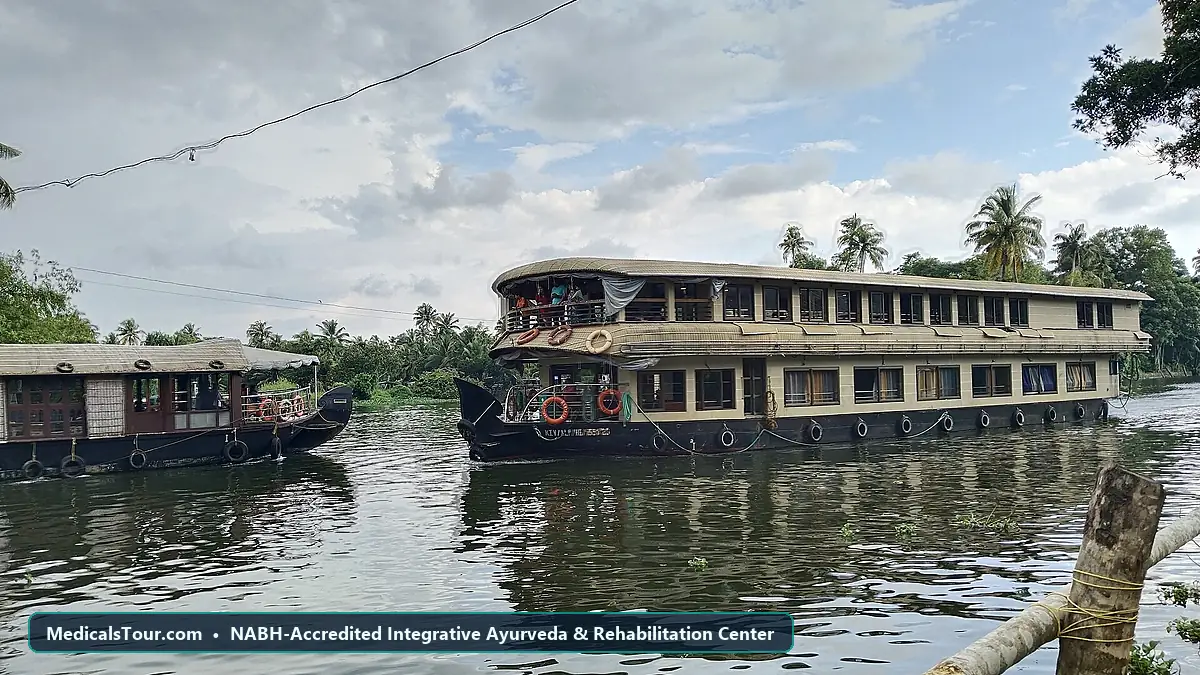
Comparing Kokilaben Hospital Mumbai & Gleneagles Health City Chennai for Residential Rehab
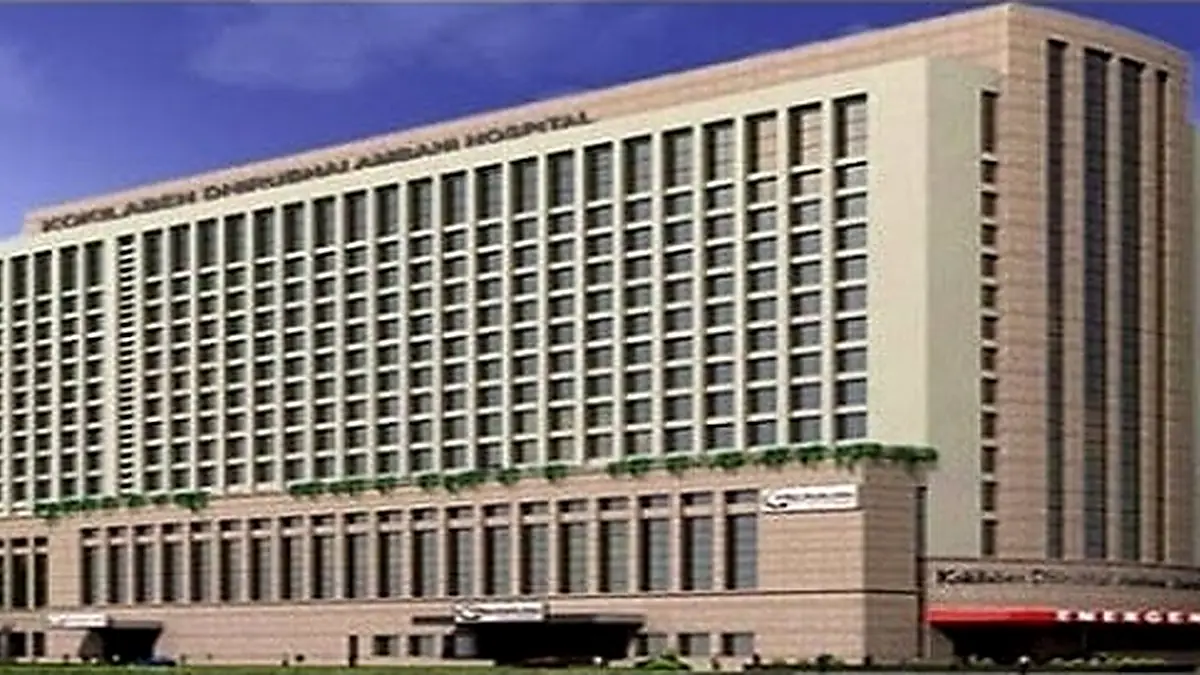
Two coastal quaternary hospitals illustrate how European rehabilitation guests match destination to clinical priority and winter weather. In western Mumbai, Kokilaben Dhirubhai Ambani Hospital in Andheri West houses one of Asia’s largest hospital-embedded Centres for Physical Medicine & Rehabilitation—spanning over 30,000 square feet of barrier-free gym space equipped with Hocoma Lokomat Pro, Armeo robotic workstations, computerized dynamic posturography, gait analysis walkways, aquatic therapy pools, and full-time speech/swallowing specialists. Direct nonstop flights link Frankfurt, Munich, Zurich, London Heathrow, Paris, and Amsterdam into Mumbai Airport Terminal 2, making Kokilaben ideal for German, Swiss, and British stroke or spinal patients who want 24/7 JCI neurosurgical, cardiology, and ICU backup in the same building.
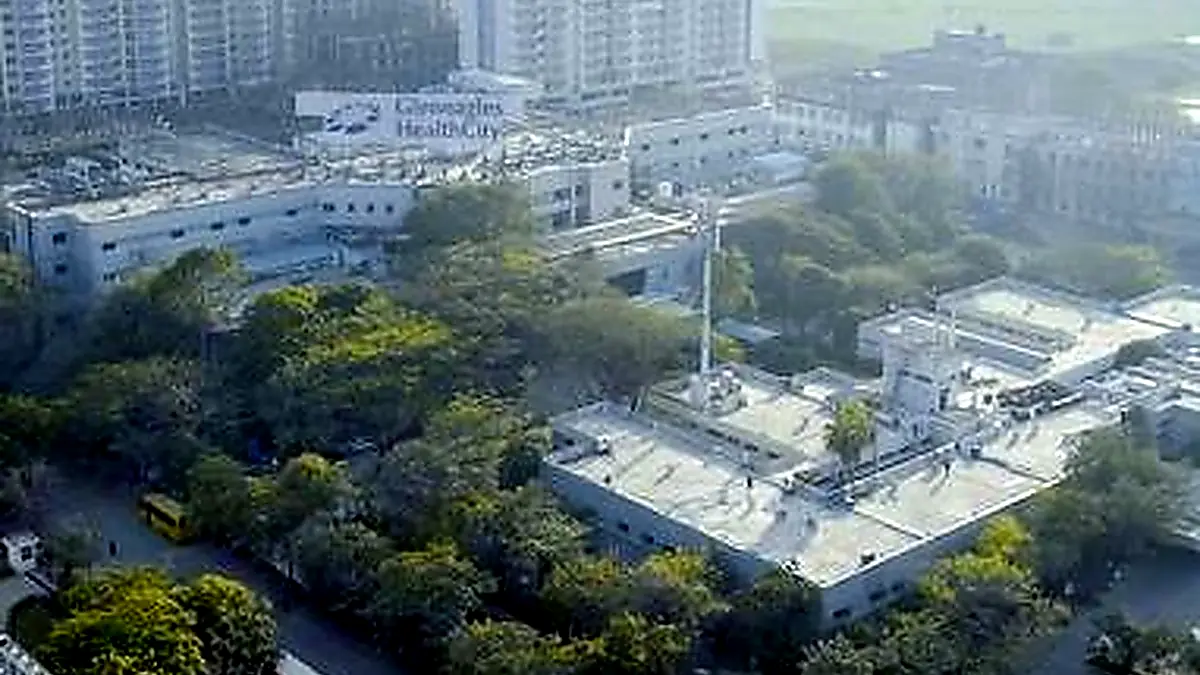
On India’s southeastern Bay of Bengal coast, Gleneagles Health City on Old Mahabalipuram Road (OMR) in Perumbakkam, Chennai spreads across a calm 21-acre green campus well away from inner-city horn noise. Combining multi-organ quaternary medicine and neuro-rehabilitation with easy proximity to Tamil Nadu and Kerala’s premier NABH-accredited clinical Ayurveda referral hospitals, Chennai offers warm 27°C winter sunshine from November through March—a major psychological and joint-mobility boost for Nordic, British, and DACH patients escaping sub-zero icy pavements. German and Austrian travelers can also review nonstop Lufthansa flight logistics in our Germany & Austria (DACH) to India Oncology & Rehab Guide inside our International Medical Corridors Hub.
Families planning a split two-phase itinerary—for example, fourteen inpatient days of high-intensity Lokomat robotics and swallowing therapy in Mumbai or Chennai followed by ten outpatient convalescence days in a barrier-free serviced apartment or an NABH clinical Ayurveda campus—should verify roll-in shower doorway widths (minimum 82 cm clear opening for European wheelchairs) and raised commode grab bars via live WhatsApp video walkthrough before paying accommodation deposits.
Choosing the Right Indian Visa: e-Medical Visa vs the Dedicated e-Ayush Visa
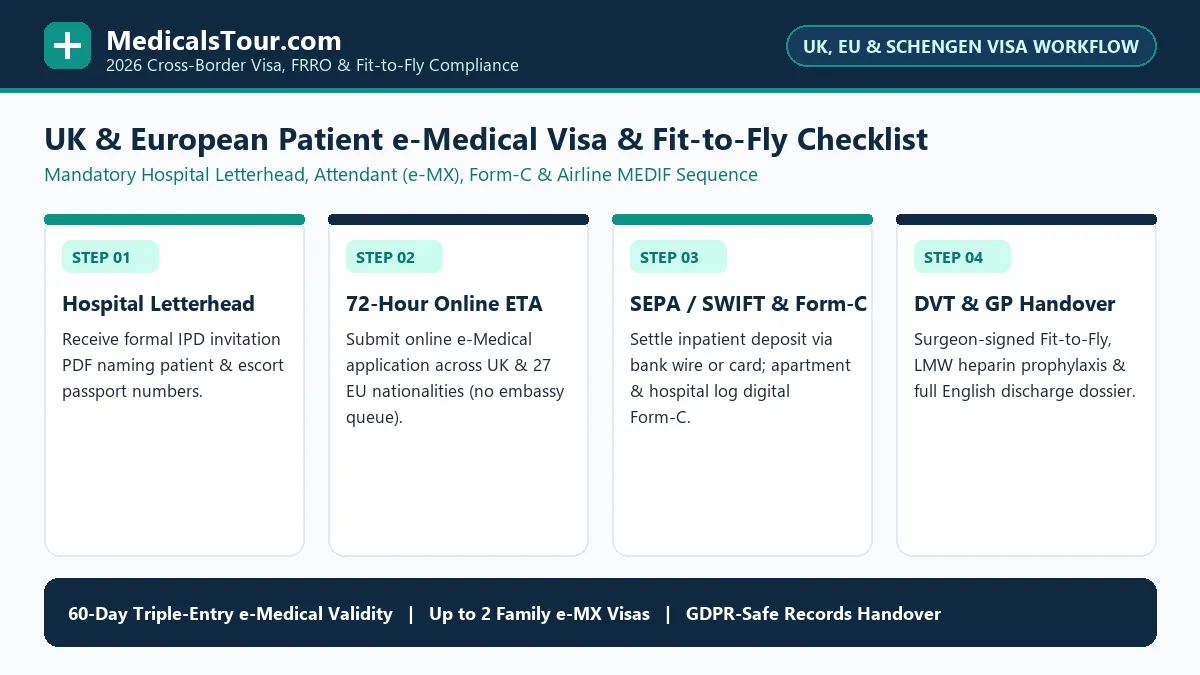
India’s Ministry of Home Affairs now operates two separate electronic health visa tracks for European passport holders, and selecting the matching category ensures zero friction at airport immigration:
- Indian e-Medical Visa (+ e-Medical Attendant Visa): Select this category whenever your primary admission is at an allopathic JCI- or NABH-accredited multi-specialty hospital (such as Kokilaben Mumbai or Gleneagles Chennai) for post-stroke Lokomat robotics, spinal cord rehabilitation, or post-surgical orthopaedic physiotherapy—even if external integrative therapies are added alongside. Valid for 60 days from arrival with triple entry.
- Indian e-Ayush Visa (+ e-Ayush Attendant Visa): Introduced specifically for foreign nationals seeking traditional Indian therapeutic systems, select the e-Ayush track when your primary Visa Invitation Letter is issued by a standalone NABH-accredited Ayurveda, Yoga, or Naturopathy hospital for residential clinical Panchakarma, osteoarthritic spondylosis management, or stress-autonomic recovery.
- Stays Exceeding 60 Days (FRRO Extension Protocol): Severe cervical spinal cord or middle-cerebral-artery stroke recovery sometimes benefits from an 8-to-12-week residential block. If your medical team recommends extending past 60 days—or if you arrive on a 6-month stamped paper Medical Visa—your hospital’s international desk submits an online e-FRRO medical certificate and Form-C residence proof to secure legal stay extensions without leaving India, as detailed in our FRRO Medical Visa Extension & Registration Guide.
Before uploading your passport scan on India’s official electronic portal, verify that both the patient’s and accompanying spouse’s passports carry at least six months of remaining validity beyond your planned arrival date and two blank visa pages for entry/exit stamps at Mumbai or Chennai immigration counters.
Structure of a 21-Day Integrated Neuro-Rehab or Clinical Panchakarma Admission
High-grade rehabilitation measures progress numerically rather than relying on vague impressions. On Day 1, physiatrists score baseline Functional Independence Measure (FIM), Modified Barthel Index, 10-Metre Walk Test velocity, Modified Ashworth spasticity scale, and Fugl-Meyer upper-extremity motor scores, repeating identical video-recorded assessments on Day 20 so your home European neurologist sees objective gains.
| Daily Time Block | Integrated Neuro-Rehab & NABH Restorative Schedule | Clinical Purpose |
|---|---|---|
| 08:00 – 09:00 | Physiatrist & neurologist morning ward check; blood pressure, INR/glucose check & anti-spasticity dosing. | Autonomic safety & drug stability |
| 09:15 – 10:30 | 45-min Hocoma Lokomat Pro exoskeleton gait session + 30-min overground weight-shift & stair curb training. | High-step neuroplasticity walking |
| 10:45 – 12:00 | ArmeoSpring upper-limb robotics + fine-motor ADL occupational therapy (buttoning, cutlery, grip). | Cortical hand & arm re-education |
| 12:15 – 14:30 | Texture-graded high-protein dietitian lunch + 90-min midday cognitive & physical rest window (mandatory against post-stroke fatigue). | Consolidating motor memory |
| 14:30 – 15:30 | Speech/aphasia therapy, cognitive rehab, or VitalStim dysphagia swallowing session (or hydrotherapy pool). | Bulbar & executive recovery |
| 16:00 – 17:00 | Physician-cleared warm medicated oil myofascial oleation (Ekanga Pizhichil / Kizhi) + gentle passive ankle dorsiflexion stretching. | Reducing hypertonia & clonus |
During Week 3, orthotists fabricate custom lightweight carbon-fibre or polypropylene ankle-foot orthoses (AFOs) and resting wrist-hand splints ($85 to $240 versus €650 to €1,200 in Germany or Switzerland) while training the accompanying spouse on safe car-seat transfers, bathroom grab-bar mechanics, and home exercise video drills.
Nutritional Neuro-Protection & Caregiver Burnout Prevention
Sarcopenia—rapid loss of skeletal muscle mass on both the paretic and unaffected sides—quietly undermines neurological rehabilitation when post-stroke patients undereat due to mild dysphagia, hospital food fatigue, or post-stroke depression. Hospital clinical dietitians in Mumbai and Chennai calculate daily leucine-rich protein targets (1.2 to 1.5 grams per kilogram of body weight, adjusted for renal eGFR) and prepare European-friendly mild continental meals—poached fish, soft herb omelettes, pureed lentil soups, oat porridges, and steamed vegetables—free of heavy chilli spice while meeting International Dysphagia Diet Standardisation Initiative (IDDSI) texture levels.
Equally important is protecting the accompanying spouse or adult child who has often served as an exhausted 24-hour home nurse in Munich, Zurich, Manchester, or Oslo since acute hospital discharge. Because inpatient Single Private Rooms in Indian JCI centres provide round-the-clock registered nursing, bedside attendant turn-assistance every two hours, and supervised therapy escorts between departments, European spouses can safely step out for restorative sleep, a swim, or an afternoon Preventive Health Checkup in the same building without leaving their partner unsupported. On discharge day, your physiatrist compiles a bilingual-ready English clinical summary listing FIM score gains, Lokomat gait-speed graphs, swallowing clearance grade, and updated medication timings for direct, structured handoff to your family GP and outpatient community therapist back in Europe.
Wheelchair Cabin Assistance on Lufthansa, SWISS, Finnair & British Airways Plus CHF/SEPA Billing
Long-haul aviation with hemiparesis or spinal mobility impairment runs smoothly when booked with exact IATA Special Service Request (SSR) codes at least 72 hours before departure. Specify WCHS if the patient can walk short cabin steps slowly or WCHC if immobile and requiring an onboard narrow aisle chair to reach the seat and accessible mid-cabin lavatory on widebody Airbus A350 or Boeing 777/787 aircraft operated by Lufthansa, SWISS, British Airways, Virgin Atlantic, Air France, KLM, or Finnair. Carry custom AFO braces, pressure-relief memory-foam seat cushions, catheter supplies, and 30 days of anticonvulsant or anticoagulant tablets inside cabin baggage accompanied by an English medical certificate.
Financially, Swiss, German, Nordic, and British families avoid double currency conversion by instructing their bank (UBS, Zürcher Kantonalbank, Deutsche Bank, ING, or Barclays) to wire hospital package deposits in USD or EUR via SWIFT 5 banking days before check-in, holding the Proforma Invoice reference code, as outlined in our Hospital Wire Transfer & Forex Billing Guide. While European statutory health insurance (GKV in Germany or basic KVG/LAMal in Switzerland) rarely reimburses non-EU elective rehabilitation without prior exception sign-off, private supplemental policies and accident insurers occasionally contribute toward documented inpatient physiotherapy receipts when itemized by daily CPT/ICD-10 therapy units.
Sample 21-Day All-In EUR & CHF Rehabilitation Budget
- 21-Day Inpatient Robotic Neuro-Rehab + Companion Bed & Meals: $4,600 – $6,200 (€4,245 – €5,720 / CHF 4,050 – CHF 5,450)
- Day 1 Venous Doppler, Baseline Neuro Labs & Optional Botox Spasticity Vial: $420 – $980 (€390 – €905 / CHF 370 – CHF 860)
- 7 Post-Discharge Step-Down Hotel Nights + Custom Carbon AFO Brace: $780 – $1,250 (€720 – €1,155 / CHF 685 – CHF 1,100)
- Return Flights (FRA / ZRH / LHR / ARN) for Patient & Spouse: $1,650 – $2,950 economy/premium-economy (€1,520 – €2,720 / CHF 1,450 – CHF 2,595), or $4,800+ if booking lie-flat business class for hemiplegic comfort.
Even with lie-flat business-class airfare included, a full month of intensive 1:1 robotic neuro-rehabilitation and integrative care in India typically totals €9,800 to €13,500 (CHF 9,350 to CHF 12,900)—saving European households €18,000 to €25,000 over comparable private residential weeks at home. Model your exact stay length, flight cabin, and contingency reserve using Medical Tour’s interactive Medical Trip Budget Planner.