Scroll through hair-restoration forums in Austin, Chicago, or San Jose and the same financial dilemma repeats almost verbatim. A domestic dermatologic or facial plastic surgery practice in Manhattan, Miami, or Beverly Hills quotes $5.50 to $8.00 per follicular unit—putting a 3,500-graft frontal and mid-scalp restoration between $16,500 and $24,000 out of pocket. Five minutes later, an Instagram ad from Sisli or Atasehir in Istanbul promises “unlimited maximum grafts, VIP airport van, and four-star hotel” for $2,150. Only when prospective patients ask who actually scores the occipital donor skin and cuts the recipient coronal slits do they uncover the catch behind high-volume Turkish bargain packages: one supervising physician signing paperwork across eight parallel procedure rooms staffed by unlicensed technicians.
That clinical gap explains why a growing cohort of American professionals—both non-resident Indians flying home to see relatives and first-time US passport holders—are routing hair restoration through accredited hospital dermatology and plastic surgery suites in New Delhi, Gurugram, and Mumbai. Under India’s National Medical Commission (NMC) surgical guidelines, follicular extraction, hairline architecture, anesthesia administration, and recipient site creation are legally classified as medical procedures that must be executed by a registered MD Dermatologist or MCh Plastic Surgeon. Yet because specialist clinical overhead in India runs a fraction of North American private-equity clinic rent, a 3,500-to-5,000-graft Sapphire Follicular Unit Extraction (FUE) or Direct Hair Implantation (DHI) session bills between $1,650 and $2,950.
Through Medical Tour’s 2026 cross-border dermatology tariff audit, we tracked real itemized quotes, punch diameters, graft-chilling media, and long-haul aviation recovery timelines across India’s flagship tertiary centers. Below is the practical breakdown US travelers need before wiring a deposit or shaving their donor zone.
Why American Men Are Comparing Delhi and Mumbai Against Istanbul Hair Mills
Price alone rarely convinces someone in Seattle or New Jersey to add four hours of flying past Istanbul to reach Indira Gandhi International Airport (DEL) or Chhatrapati Shivaji Maharaj International Airport (BOM). The decisive variable is donor-bank preservation. Every human scalp carries a finite lifetime supply of dihydrotestosterone-resistant occipital and parietal follicles—typically 5,500 to 7,500 harvestable grafts before visual moth-eaten thinning appears above the nape and ears. When an assembly-line clinic rushes 4,800 extractions in three hours using wide 1.0-millimeter rotary punches to deliver an “instant dense hairline,” transection rates climb above 20% and leave nothing in reserve if crown recession progresses at age forty-two.
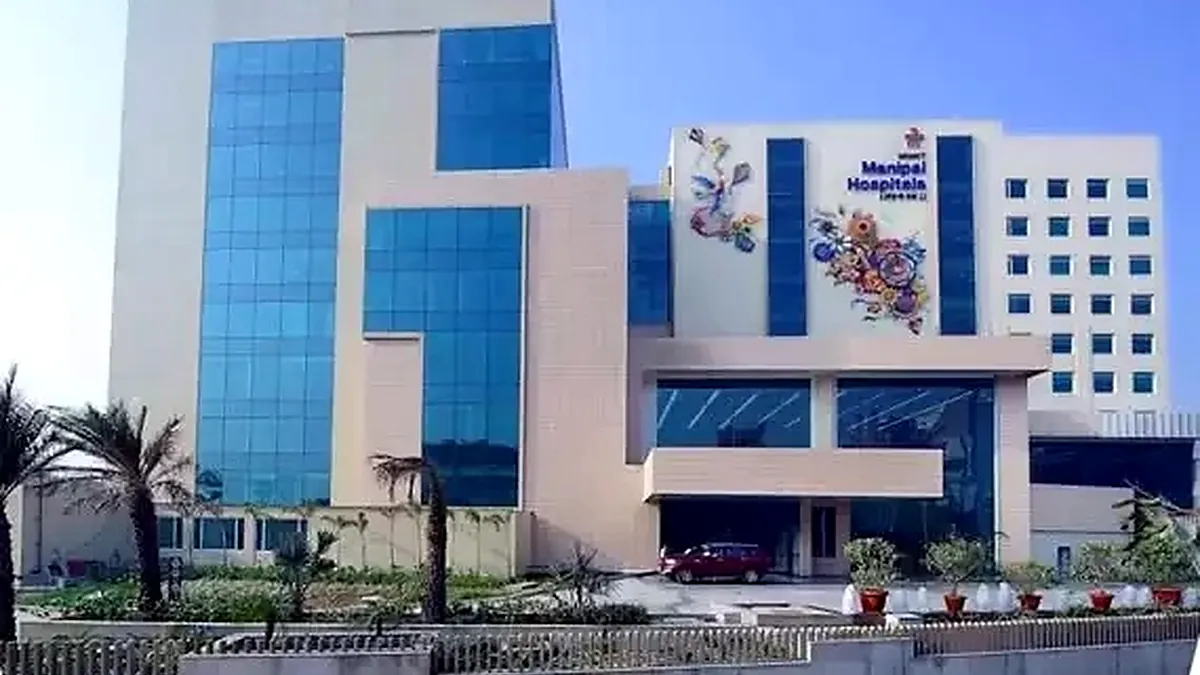
Hospital-anchored dermatology and reconstructive units in Delhi NCR and Mumbai operate on a fundamentally slower surgical cadence. At tertiary campuses such as Manipal Hospital Dwarka—located twenty minutes from Terminal 3 via the Dwarka Sector 21 metro corridor—and Artemis Hospital in Sector 51, Gurugram, a lead MCh plastic surgeon or MD dermatosurgeon typically schedules just one mega-session per operating day. Crash-cart resuscitation, NABL-accredited pre-op coagulation and viral screening labs, and autoclaved central sterile supply departments (CSSD) back up every local-anesthesia case, eliminating the cross-contamination and lidocaine-toxicity scares occasionally reported in unregulated strip-mall suites.
Language clarity adds a second layer of protection during hairline design. Micro-irregularities—single-hair follicular units staggered along the transition zone, temporal peak angulation at 15 degrees, and natural cowlick whorls—require twenty minutes of unhurried conversation with a grease pencil in front of a three-way mirror. Discussing conservative mature hairline placement directly in English with the surgeon holding the sapphire blade avoids the ruler-straight “pluggy wall” look that no second surgery can easily camouflage.
Mumbai’s Western Suburbs corridor—stretching from Vile Parle and Santacruz near Terminal 2 down toward Bandra West—mirrors Delhi NCR’s hospital-integrated model. Operating inside accredited surgical wings guarantees positive-pressure filtered airflow, continuous pulse-oximetry and cardiac telemetry during tumescent epinephrine infiltration, and immediate anesthesiologist standby if a patient with mild hypertension experiences transient tachycardia. Those quiet institutional safeguards rarely make social-media highlight reels, yet they separate clinical dermatology from storefront cosmetic assembly lines.
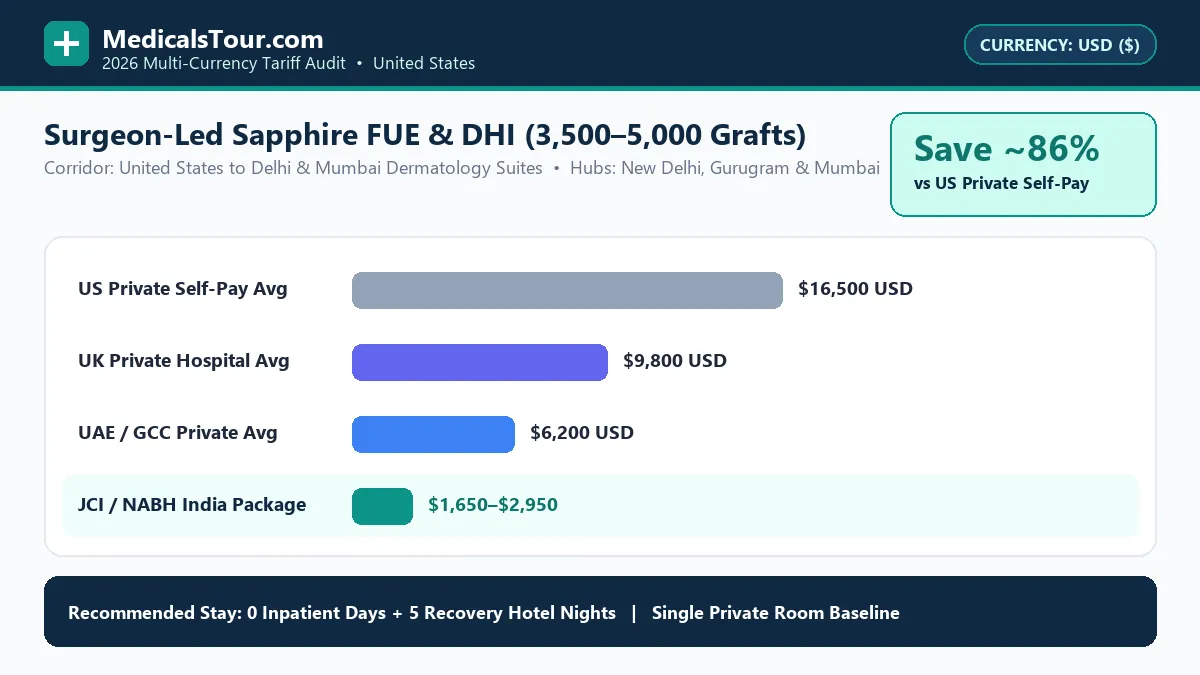
2026 Graft Pricing Audit: India vs USA vs Turkey for 3,500 to 5,000 Grafts
Unlike orthopedic or cardiac inpatient admissions where room-tier multipliers alter hospital bills, hair restoration in India is strictly an outpatient day-care procedure priced either per graft ($0.55–$0.95 USD per graft depending on technique) or as a banded graft-tier package. You can model your exact Norwood pattern and travel overhead using our interactive Hair Transplant Graft & Savings Calculator alongside our granular Sapphire FUE Cost Breakdown and DHI Implanter Pricing Guide.
| Clinical Pathway & Graft Volume | US Private Clinic Avg | Istanbul Tech Mill vs Surgeon Boutique | India MD/MCh Hospital Suite (USD) |
|---|---|---|---|
| 2,500 Grafts — Sapphire FUE (Norwood III Frontal) | $13,500 – $17,500 | $1,950 (Tech) / $4,800 (Surgeon) | $1,650 – $2,100 |
| 3,500–4,000 Grafts — Sapphire FUE (Norwood IV–V) | $16,500 – $22,000 | $2,300 (Tech) / $6,200 (Surgeon) | $2,100 – $2,650 |
| 3,500 Grafts — Direct Hair Implantation (DHI Pens) | $18,500 – $25,000 | $2,750 (Tech) / $7,000 (Surgeon) | $2,350 – $2,950 |
| 4,800–5,200 Grafts — 2-Day Mega Session (+ Beard FUE) | $24,000 – $32,000 | $2,900 (Tech) / $8,500 (Surgeon) | $2,750 – $3,400 |
| Unshaven / Long-Hair U-FUE (1,800–2,200 Grafts) | $15,000 – $21,000 | $3,100 (Tech) / $6,500 (Surgeon) | $2,150 – $2,800 |
What Indian Hair Restoration Packages Include—and Exclude
Standard hospital and accredited dermatology quotes in Delhi, Gurugram, and Mumbai bundle pre-procedure CBC, HbA1c, PT/INR, HIV/HBV/HCV serology, local ring-block tumescent anesthesia, one session of autologous Platelet-Rich Plasma (PRP) spun in closed FDA/CE-cleared tubes, surgical consumables, and a 7-day post-op kit (liposomal ATP or normal saline spray, oral prophylactic antibiotic, low-dose methylprednisolone anti-edema pack, foam shampoo, and neck pillow). Budget $180 to $340 extra if you elect single-use imported Lion/Choi implanter pens above 3,000 grafts, HypoThermosol biopreservation storage solution instead of chilled Ringer’s lactate, or six months of oral finasteride/dutasteride and minoxidil dispensed from the hospital pharmacy. Patients combining scalp restoration with facial density work can also review Beard & Eyebrow Unshaven FUE Tariffs.
Sapphire Blade FUE vs Direct Hair Implantation (DHI): Hardware, Punch Gauges & Graft Survival
Marketing brochures frequently pit Sapphire FUE against DHI as if one technology renders the other obsolete. In actual microsurgical practice, both rely on identical Follicular Unit Extraction from the donor scalp—their divergence occurs strictly during the implantation phase, and experienced Indian teams often combine both in a single hybrid case.
- Donor Extraction Hardware (Shared by Both): Top surgeons in Dwarka, South Delhi, and Bandra use oscillating or trumpet-edged motorized systems—such as the Devroye WAW system or Trivellini Mamba—fitted with 0.75 mm to 0.85 mm punches. Oscillating punches score the epidermis and allow blunt dissection around the sebaceous gland and dermal papilla, holding follicle transection rates below 3% even in wavy or curly hair shafts.
- Sapphire Blade FUE (Best for Broad Norwood IV–VI Coverage): Instead of steel razor slits that leave U-shaped micro-wounds, the surgeon uses V-tipped synthetic sapphire blades (1.0 mm to 1.3 mm) to pre-make all recipient channels before surgical assistants place sorted 1-, 2-, and 3-hair grafts with micro-forceps. Because channels can be packed closely at 45 to 55 follicular units per square centimeter with minimal tissue trauma, Sapphire FUE remains the workhorse for covering 3,500+ grafts across a bare frontal forelock and vertex.
- Direct Hair Implantation with Choi/Lion Pens (Best for Diffuse Thinning & No-Shave Zones): Technicians load extracted grafts into hollow-needle implanter pens (0.8 mm to 1.0 mm), which the physician clicks directly into thinning areas without pre-cutting slits or buzzing existing native hair flat. DHI reduces out-of-body ischemia time and avoids shock loss around surviving follicles, though pen-loading labor caps comfortable single-day sessions around 2,800 to 3,200 grafts.
Regardless of implantation style, verify how long grafts sit outside the body. Follicular survival drops roughly 1% to 2% per hour in room-temperature saline after hour six; insist on digital Peltier cooling Petri dishes held at 4°C and split two-day extraction schedules whenever graft counts cross 4,000.
Hybrid Frontal DHI + Mid-Scalp Sapphire FUE: How Senior Indian Surgeons Combine Both
Rather than forcing every patient into a rigid ideological camp, leading surgical teams in Gurugram and Mumbai frequently run a hybrid protocol on Norwood IV and V scalps. The surgeon builds the foremost 1.5-centimeter frontal transition zone and temporal triangles using 0.8 mm DHI implanter pens loaded exclusively with fine single-hair occipital grafts set at acute 10-to-15-degree forward angles. Immediately behind that feathered border, dense 2- and 3-hair follicular groupings—and thicker 85-micron submental beard grafts when needed—are packed into pre-cut V-shaped sapphire coronal channels to maximize optical volume across the mid-scalp bridge without placing coarse beard shafts near the visible hairline.
NMC Licensing Rules: Who Holds the Micro-Punch at Manipal Dwarka and Artemis Gurugram
Before wiring any booking fee from a US checking account, verify physician credentials against India’s National Medical Register rather than relying on clinic Instagram reels. In September 2022, India’s National Medical Commission issued binding aesthetic-surgery directives stipulating that only doctors holding an MCh / DrNB in Plastic & Reconstructive Surgery or an MD / DNB in Dermatology, Venereology & Leprosy with hands-on surgical training may perform hair transplantation, aided by registered nurses inside facilities equipped for anaphylaxis and cardiac resuscitation.
To separate genuine surgeon-led care from disguised technician mills during your video consultation, ask three concrete operational questions:
- “Which exact steps do you perform personally, and how many patients are booked on my surgery date?” In legitimate Indian hospital practices, the lead surgeon draws the hairline, administers the supraorbital and occipital nerve blocks, executes 100% of recipient slit creation (or DHI pen clicks), and extracts either all or the majority of donor punches, while two dedicated scrub technicians sort grafts under stereoscopic 20x microscopes.
- “May I see the sterilization pouch on my sapphire blade and implanter needles before anesthesia?” Single-patient disposable punches and V-blades cost the hospital $90 to $160 per case; reputable units unseal them in front of you prior to prep.
- “Is the procedure suite inside or affiliated with an NABH or JCI hospital?” Our JCI vs NABH Hospital Accreditation Guide explains why institutional credentialing committees automatically weed out uncertified operators, dental-degree moonlighting clinics, and borrowed crash carts.
Prepare for your pre-departure Zoom evaluation by shooting five crisp, unedited smartphone photos outdoors in indirect morning daylight—straight-on forehead with eyebrows raised, 45-degree left and right temples, top-down crown vertex, and rear donor scalp with damp hair parted horizontally. Accurate pre-travel photo grading lets the physician confirm whether you have realistic donor caliper and prevents surprise graft-count renegotiations on procedure morning. Also confirm whether the surgical team buffers 2% lidocaine with 8.4% sodium bicarbonate and uses high-frequency skin vibration during the initial ring block, a simple refinement that cuts anesthesia sting by two-thirds.
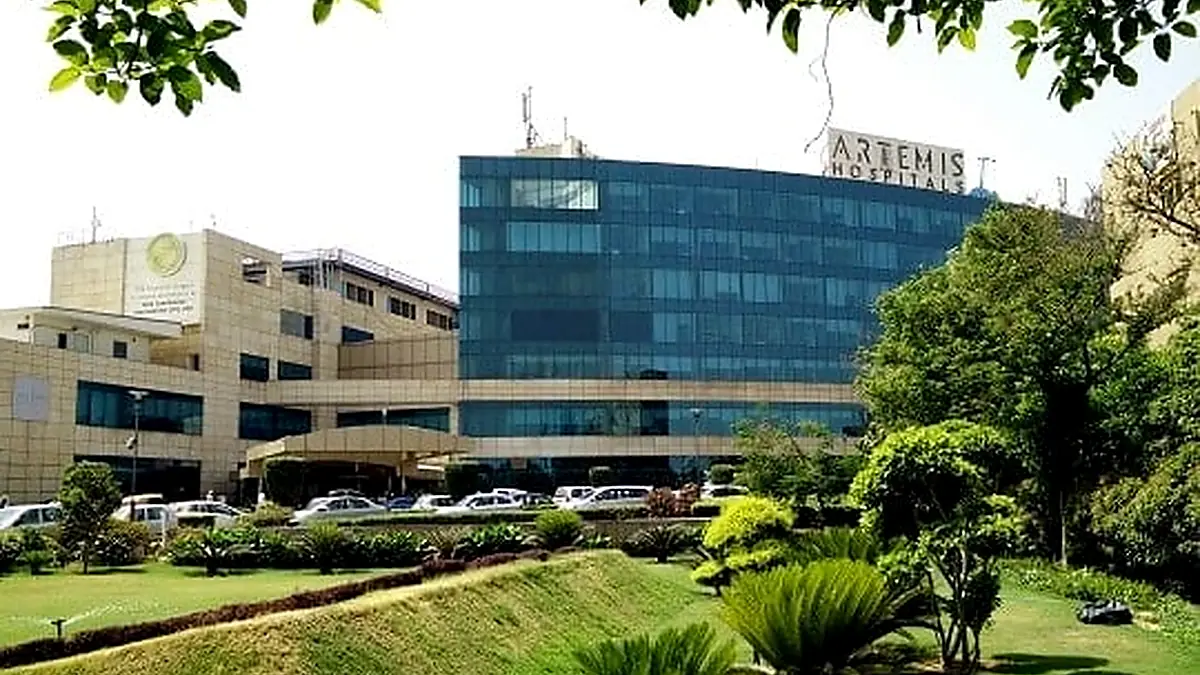
5-Night Outpatient Itinerary: From SFO or JFK Landing to First Saline Head-Wash
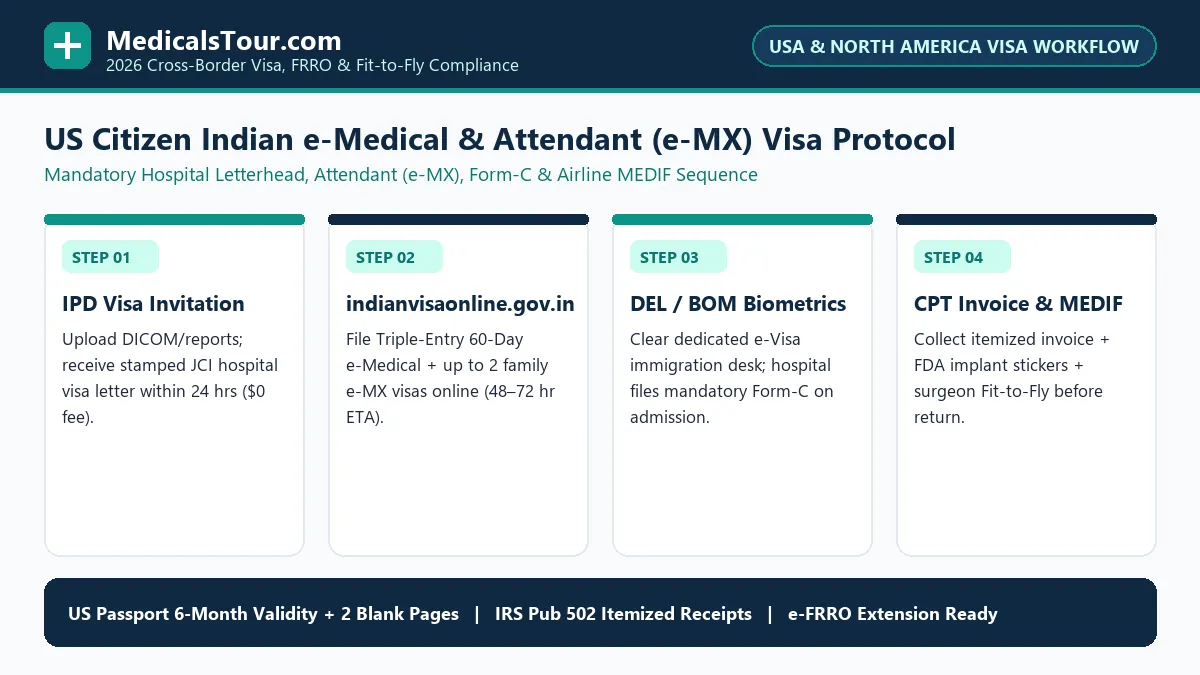
Unlike visceral or joint surgery requiring inpatient ward stays, hair restoration fits cleanly inside a seven-day PTO window—five hotel nights on the ground in Delhi NCR or Mumbai plus bookend nonstop flights on Air India (AI 102 from JFK, AI 106 from EWR, AI 174/180 from SFO, AI 126 from ORD) or United/Delta one-stop partners. US citizens traveling primarily for scalp reconstruction apply online for an Indian e-Medical Visa, typically cleared in 48 to 72 hours using a hospital invitation letter; review document specs in our India e-Medical Visa Guide for US, UK & Canadian Citizens.
| Trip Timeline | Clinical & Recovery Milestone | Estimated US Traveler Outlay |
|---|---|---|
| Day 1 (Arrival) | Touch down at DEL T3 or BOM T2; check into hotel within 15 minutes of hospital (Aerocity/Dwarka or Gurugram Sector 50); afternoon trichoscopy, donor density mapping & fasting blood draw. | Flights: $950 – $1,450 (Economy RT) |
| Day 2 (Procedure Day 1) | 08:00 hairline design & ring block; morning donor micro-punch extraction; hot lunch break inside suite; afternoon sapphire channel creation / DHI placement & donor bandage wrap. | 3,800-Graft Package: $2,350 |
| Day 3 (Rest / Mega-Session Day 2) | Crown/beard completion if >4,200 grafts; otherwise strict 45-degree elevated hotel rest, hourly liposomal ATP/saline misting & anti-edema oral taper. | 5 Nights 4-Star Hotel: $425 – $650 |
| Day 4 (Donor Unwrap) | Outpatient nurse removes occipital gauze, inspects recipient fibrin anchoring under magnification & applies antibiotic ointment to donor micro-dots. | Local Uber Premier & Meals: $160 |
| Day 5 (First Clinical Foam Wash) | Supervised panthenol foam soak + low-pressure tepid rinse; surgeon signs fit-to-travel clearance & dispenses 90-day pharmacy regimen. | Take-Home Meds & Visa: $190 |
| Day 6 (Departure) | Board return flight wearing wide-collar button-down shirt; zero contact with overhead luggage bins. | All-In Trip Total: ~$4,075 – $4,800 |
Even after factoring in round-trip transcontinental airfare and five nights in an Aerocity or Golf Course Extension business hotel, total cash outlay stays roughly $12,000 to $17,000 below an equivalent surgeon-performed session in Dallas, Boston, or Los Angeles.

Protecting Newly Implanted Follicles on a 15-Hour Nonstop Return Flight
Histological anchoring studies show that transplanted follicular grafts rely on delicate fibrin clots for the first 72 hours and require roughly eight to ten days before neovascular capillaries lock the bulb permanently into the dermis. Flying home on Day 5 or Day 6 is medically routine, provided you respect four non-negotiable cabin protocols during the 15-hour haul back to Newark, JFK, or San Francisco.
- Wardrobe Mechanics: Never pull a crew-neck T-shirt or tight hoodie over your head during the first ten days; a single upward fabric snag across the frontal hairline can avulse thirty grafts in half a second. Pack three loose linen or cotton button-front shirts and a zip-up fleece for chilly aircraft cabins.
- Overhead Bin & Window Bulkhead Awareness: Book an aisle or middle-section bulkhead seat—or lie-flat business pod if miles allow—and ask a flight attendant or companion to stow your carry-on roller. Rising abruptly from a window seat beneath an open overhead bin is the single most common cause of traumatic graft bleeding on medical return flights.
- Cabin Humidity & TSA Liquid Rules: Pressurized Boeing 777 and Airbus A350 cabins drop to 10%–15% relative humidity, desiccating exposed scabs. Carry two TSA-compliant 3.0 oz (90 mL) sterile normal saline pump bottles inside a clear quart zip-bag and mist the recipient zone every 60 minutes while awake.
- Forehead Edema Control: Tumescent saline injected into the scalp during anesthesia obeys gravity on Days 3 through 5. Keep your U-shaped memory-foam travel pillow buckled firmly around your neck so your occiput—never your temples or hairline—bears weight, and wear the clinic’s soft headband below the grafts if instructed to prevent harmless periorbital puffiness at US Customs facial-recognition kiosks.
Your pre-flight preparation actually starts ten days before boarding outbound from the United States. With your primary doctor’s clearance, pause high-dose omega-3 fish oil, vitamin E capsules, ginkgo biloba, aspirin/ibuprofen NSAIDs, and topical minoxidil foam seven to ten days prior to surgery. Vasodilators and anti-platelet supplements increase dermal microvascular oozing, creating hydrostatic pressure that “pops” freshly placed grafts out of adjacent sapphire slits. Skip alcohol for 72 hours before and five days after surgery, and stick to decaffeinated tea on procedure morning so blood pressure stays steady under local epinephrine.
Donor Safe-Zone Depletion, Finasteride Protocols & 12-Month Growth Milestones
A transplant redistributes permanent hair; it does not switch off 5-alpha-reductase enzymatic miniaturization in surrounding native follicles across your mid-scalp and vertex. In Medical Tour’s post-return patient follow-up reviews, the sharpest 18-month outcomes consistently belong to men who treat surgery and medical stabilization as a single unified plan rather than expecting surgical grafts to stand alone as surrounding hair continues receding into isolated islands.
Ethical Indian dermatosurgeons map your occipital safe zone under 50x digital trichoscopy before quoting graft counts, refusing requests to drop juvenile teenager hairlines onto Norwood V scalps. Expect your transplanted shafts to enter predictable telogen shedding (“ugly duckling phase”) between Weeks 3 and 8 as follicles reset beneath the skin. Fine vellus-like sprouts break through around Month 3.5, reach roughly 60% visual cosmetic framing by Month 6, and thicken to full shaft caliber between Months 10 and 14—up to Month 16 on the slower-vascularized crown vertex.
Because propylene-glycol liquid minoxidil can irritate healing recipient skin during the first three weeks, many Indian dermatologists transition American travelers onto low-dose oral minoxidil (1.25 mg to 2.5 mg daily, after baseline blood-pressure screening) paired with oral or topical liposomal finasteride once scabs shed cleanly at Day 12. Avoid chlorinated swimming pools, sauna steam rooms, direct high-UV beach sun, and heavy barbell deadlifts or Valsalva straining for twenty-one days post-op. Most Indian hospital teams schedule structured WhatsApp or encrypted portal photo audits at Days 10, 30, 90, 180, and 365 under standardized overhead bathroom lighting. Before booking flights, browse our broader International Medical Travel Corridors hub to compare visa workflows, airport transfers, and credentialed dermatology teams across India’s major metro gateways.