Ask any American family recovering from an ischemic stroke, multi-level lumbar fusion, or bilateral knee replacement where the domestic healthcare system quietly abandons patients, and they rarely point to the operating room. Surgical execution in the United States is world-class; post-acute rehabilitation is rationed to the bone. Commercial PPO insurers and Medicare Advantage plans routinely cap outpatient physical therapy at 15 to 20 rushed thirty-minute appointments—often shared across three simultaneous gym patients supervised by an aide—while inpatient rehabilitation facilities (IRFs) bill $1,950 to $2,800 per day and push discharge the moment a patient can transfer ten feet from bed to wheelchair.
That premature rehabilitation cliff explains why two distinct groups of US travelers are booking two-to-four-week residential recovery programs in India. The first group stays on for an extra fourteen days immediately after orthopedic or spine surgery in Mumbai, Chennai, or Delhi NCR to lock in 120-degree knee flexion, symmetrical gait mechanics, and hydrotherapy strength before tackling stairs at home. The second group flies out three to twelve months after a domestic stroke, spinal cord injury, rotator-cuff repair, or chronic inflammatory burnout—pairing Western robotic physical medicine (Lokomat exoskeleton gait training, AlterG anti-gravity treadmills, occupational hand robotics) with physician-supervised, NABH-accredited clinical Ayurveda.
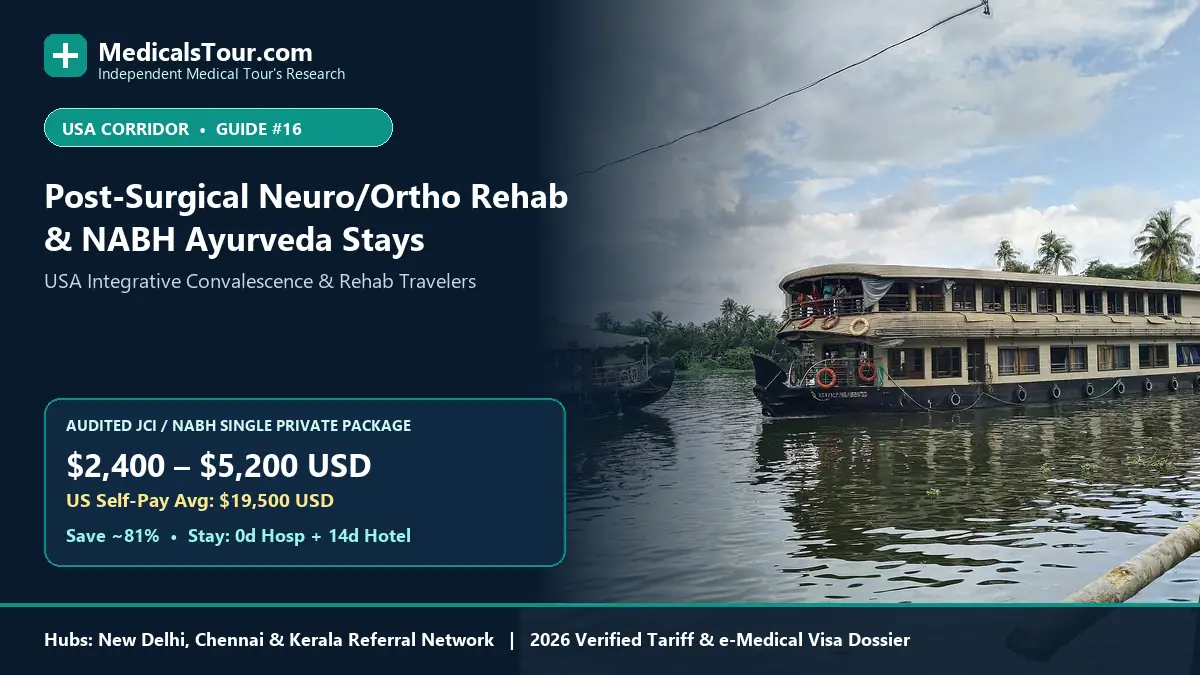
Compiled from Medical Tour’s 2026 rehabilitation and integrative hospital audit, this guide separates credentialed hospital programs ($2,400–$5,200 for two-to-three-week residential bundles) from unregulated beachside tourist spas—covering India’s dedicated e-Ayush Visa, incision and blood-thinner contraindications, heavy-metal herbal testing, and seasonal corridor selection.
When Insurance Caps Physical Therapy Visits Long Before Functional Mobility Returns
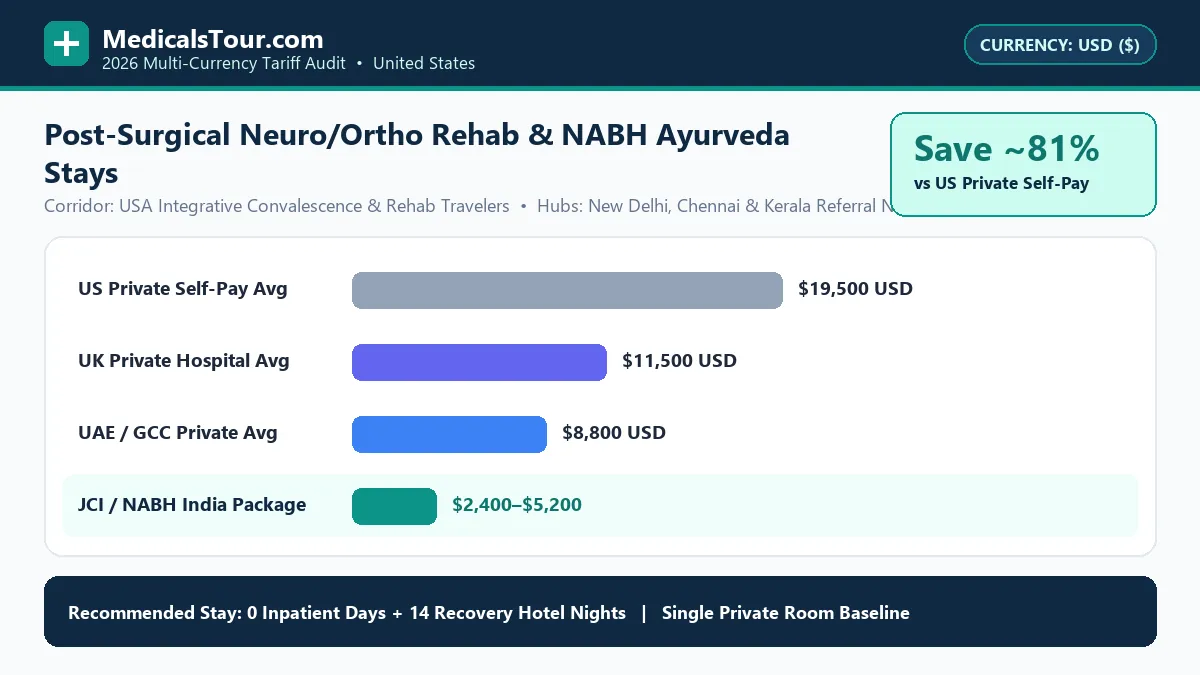
Neuroplasticity after cerebral infarction or spinal decompression—and peri-articular collagen remodeling after total joint arthroplasty—responds directly to daily neuromuscular repetition volume. Clinical trials consistently show that post-stroke upper-limb and gait recovery requires hundreds of task-specific movement repetitions per day during the subacute neuroplastic window, yet the average US outpatient therapy visit delivers fewer than forty active repetitions once blood-pressure cuffing and insurance documentation eat up half the slot. Paying cash privately in California, New York, or Illinois for three hours a day of one-on-one neuro-physiotherapy, aquatic therapy, and robotic exoskeleton sessions quickly exceeds $650 to $950 per afternoon—nearly $18,000 for a single month without lodging.
Inside top Indian rehabilitation wings and accredited integrative campuses, Master of Physiotherapy (MPT Ortho/Neuro) specialists work alongside MD Physical Medicine & Rehabilitation (PM&R) physiatrists in dedicated 1:1 morning and afternoon blocks lasting two to three hours daily. When medically cleared past the acute surgical healing phase, adding credentialed Ayurvedic musculoskeletal protocols—warm medicated oil fomentation, myofascial spasm release, anti-inflammatory clinical dietetics, and parasympathetic breathwork—addresses chronic paraspinal guarding, corticosteroid sleep disruption, and contralateral joint compensation that mechanical gym drills alone often miss.
Travelers planning primary joint surgery abroad before transitioning into residential convalescence can cross-check surgical baselines first in our Robotic Knee Replacement Cost Breakdown and Total Hip Replacement Tariff Guide. Even Americans who had their primary spine fusion, rotator-cuff anchor repair, or ischemic stroke thrombectomy performed months earlier at a domestic US university hospital frequently hit a frustrating six-month functional plateau—walking with a circumducted Trendelenburg limp or guarded frozen shoulder—simply because twenty-minute insurance PT sessions never supplied enough supervised repetition to rewire motor cortex pathways.
Family caregiver exhaustion drives just as many inquiries from Chicago, Seattle, and Atlanta as insurance therapy caps. When a sixty-eight-year-old stroke or bilateral-arthroplasty patient is discharged home from a US inpatient unit after nine days, an equally retired spouse is abruptly expected to manage car transfers, shower safety, meal prep, and thrice-weekly clinic drives alone. Inside a residential Indian PM&R wing or NABH integrative hospital, trained patient-care attendants handle every physical transfer, gait-belt walk, and hydrotherapy change-room assist—allowing the accompanying husband or wife to sleep through the night and recover from months of hospital caregiver stress.
2026 Residential Rehab & NABH Clinical Ayurveda Tariff Benchmarks ($2,400–$5,200)
Residential recovery tariffs vary depending on whether you require hospital-attached robotic neuro-rehabilitation (inpatient or hotel-step-down in Mumbai/Chennai) or a self-contained 14-to-21-day NABH-accredited clinical Ayurveda hospital campus in Kerala, Bengaluru outskirts, or Delhi NCR. Run side-by-side stay lengths and companion airfare inside our Medical Trip Budget Planner.
| Rehabilitation / Integrative Modality (14–21 Days) | US Self-Pay / IRF Equivalent | India Accredited Program (USD) | Daily Clinical Inclusions & Setting |
|---|---|---|---|
| 14-Day Post-Joint / Spine Intensive Ortho Rehab (Outpatient Hospital Gym + Step-Free Hotel) |
$9,500 – $16,000 | $2,400 – $3,600 | Twice-daily 1:1 MPT physiotherapy, CPM/gait lab, hydrotherapy pool, cryocompression & adjacent 4-star room. |
| 21-Day Robotic Post-Stroke / SCI Neuro-Rehab (Inpatient PM&R Suite with Lokomat & OT) |
$34,000 – $52,000 | $4,400 – $6,800 | 21 private hospital nights, MD physiatrist rounds, Hocoma Lokomat gait robotics, swallow/speech & arm robotics. |
| 14-Day NABH-Accredited Clinical Ayurveda Stay (Osteoarthritis, Lumbar Spondylosis, Post-Op Stiffness) |
$12,000 – $19,500 (Luxury US Wellness) | $2,600 – $4,200 | Private AC cottage/suite, BAMS/MD-Ayurveda daily consults, 2 external therapies/day, GMP herbs & tailored meals. |
| 21-Day Full NABH Panchakarma & Integrative Rehab (Chronic Inflammation, Neuropathy & Mobility Reset) |
$18,500 – $27,000 | $3,800 – $5,200 | Three-phase preparatory, cleansing & restorative protocol + daily Western physiotherapy & baseline lab panels. |
What Separates Medical Rehabilitation Billing from Resort Packages
Always request an itemized clinical schedule before paying a deposit. Genuine NABH-accredited Ayurveda hospitals and PM&R centers withhold final therapy prescriptions until the admitting physician completes Day-1 vital signs, range-of-motion goniometry, liver/renal blood panels, and surgical scar inspection—adjusting modalities dynamically every morning rather than selling pre-printed spa menus. Budget $180 to $350 extra if you require repeat 3T MRI/X-ray checks, custom thermoplastic ankle-foot orthoses (AFO splints), or 60 days of GMP-certified take-home herbal or physiotherapy supplies. Most residential integrative campuses include full-board anti-inflammatory patient meals and airport transfers from Cochin (COK), Trivandrum (TRV), Bengaluru (BLR), or Chennai (MAA) inside the room-and-treatment tariff, whereas accompanying non-patient spouses pay a modest $55 to $85 per night companion supplement.
Robotic Gait Orthoses & Hydrotherapy at Kokilaben Mumbai and MIOT Chennai
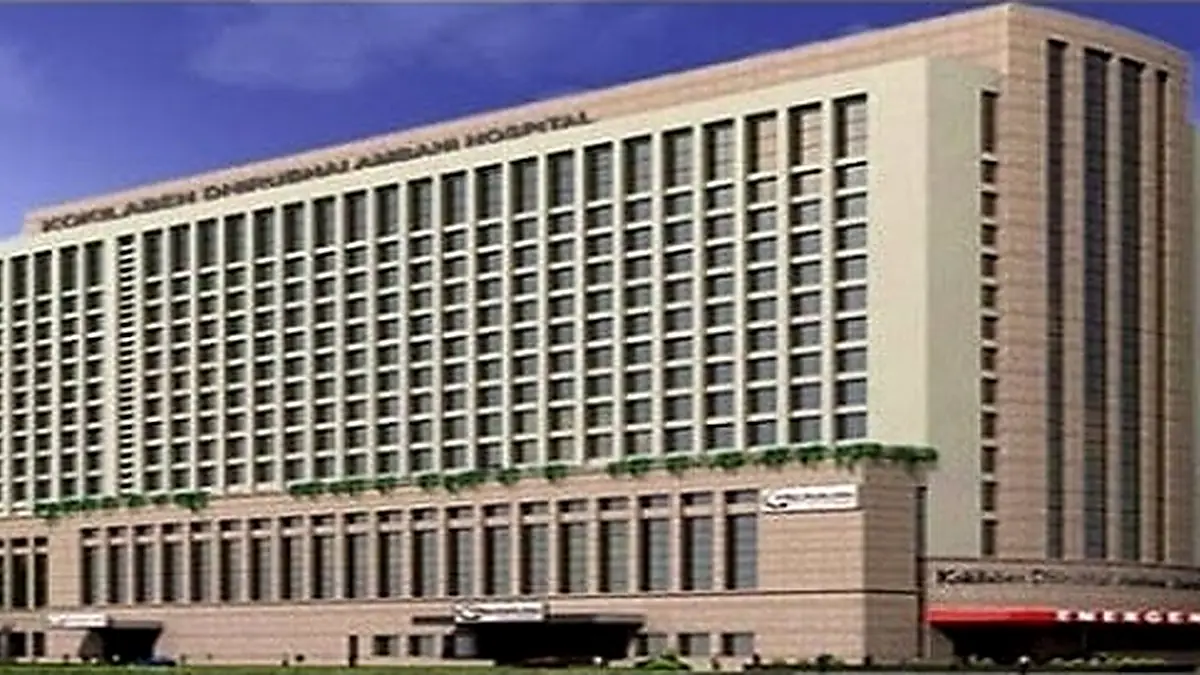
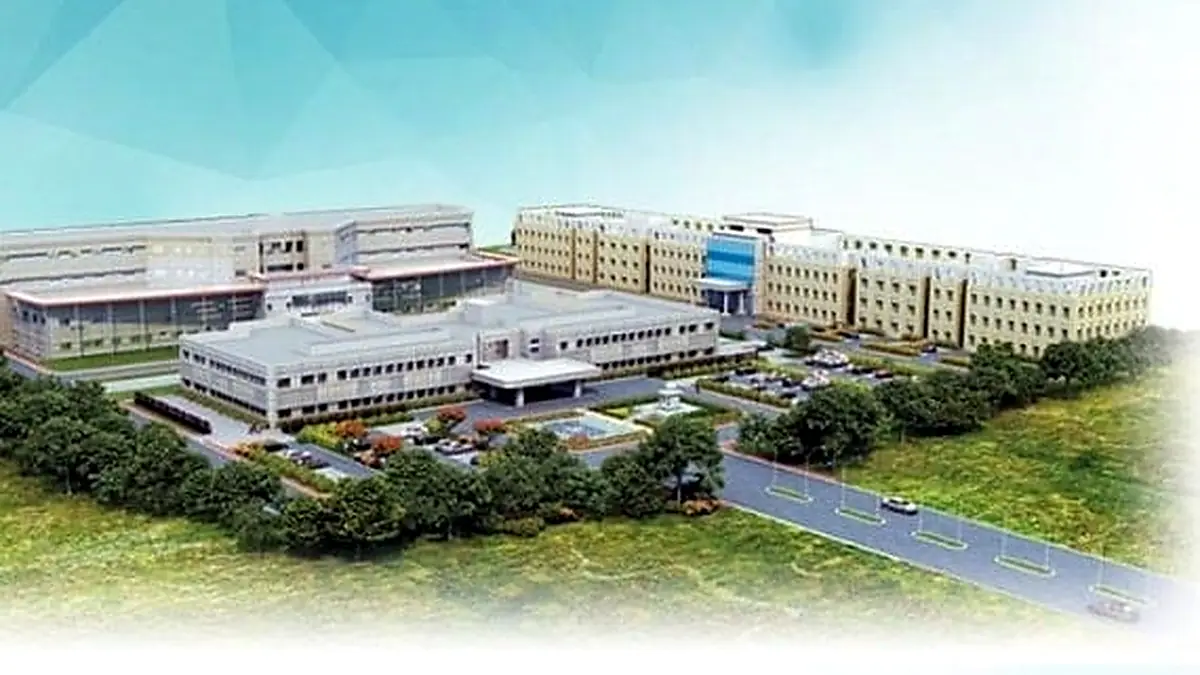
For Americans recovering from complex revision arthroplasty, brachial plexus repair, traumatic brain injury, or hemiparetic stroke, Western tertiary physical medicine forms the non-negotiable foundation. Two flagship hospital campuses lead cross-border rehabilitation in India. In Mumbai’s Andheri West district, Kokilaben Dhirubhai Ambani Hospital operates a dedicated 20,000-square-foot Centre for Physical Medicine and Rehabilitation led by full-time MD physiatrists—housing Swiss Hocoma Lokomat Pro robotic gait exoskeletons with virtual-reality biofeedback, ArmeoSpring upper-extremity reach trainers, Biodex isokinetic dynamometers, and balance posturography platforms.
Along the warm southeastern coast in Manapakkam—just fifteen minutes from Chennai International Airport—MIOT International anchors orthopedic, pelvic-acetabular, and neurological rehabilitation across a sprawling fourteen-acre campus featuring temperature-controlled inpatient hydrotherapy pools with underwater treadmills and hydraulic hoist lifts. Buoyancy inside a 34°C warm-water pool offloads 70% of body weight across healing hip, knee, or lumbar joints, allowing patients with post-surgical muscle inhibition to restore symmetrical heel-to-toe stride days before full dry-land weight bearing feels comfortable.
Crucially, hospital-based PM&R teams coordinate directly with orthopedic surgeons, cardiologists, speech-swallowing fiberoptic endoscopic (`FEES`) specialists, and infectious-disease consultants under the same roof—meaning if a recovering patient develops atrial fibrillation, postural hypotension, neurogenic bladder retention, or calf swelling during gym training, a venous Doppler ultrasound and specialist consult happen within thirty minutes. Non-invasive brain stimulation—including repetitive Transcranial Magnetic Stimulation (`rTMS`) and functional electrical stimulation (`FES`) foot-drop cuffs—is frequently layered onto morning Lokomat blocks to accelerate hemiparetic motor recruitment.
Targeted spasticity intervention amplifies those robotic gains even further for chronic post-stroke and spinal-injury travelers. When a clenched flexor wrist or equinovarus ankle blocks gait progression, Indian MD physiatrists perform ultrasound-guided botulinum toxin type A motor-point blocks (using WHO-prequalified Botox or Dysport vials at roughly one-third of US outpatient buy-and-bill cost) on Day 2, opening a golden three-week window for serial stretching casts, robotic hand-grasp gaming, and intensive aphasia speech-pathology drills.
Separating NABH-Accredited Ayurveda Hospitals from Unregulated Tourist Wellness Resorts
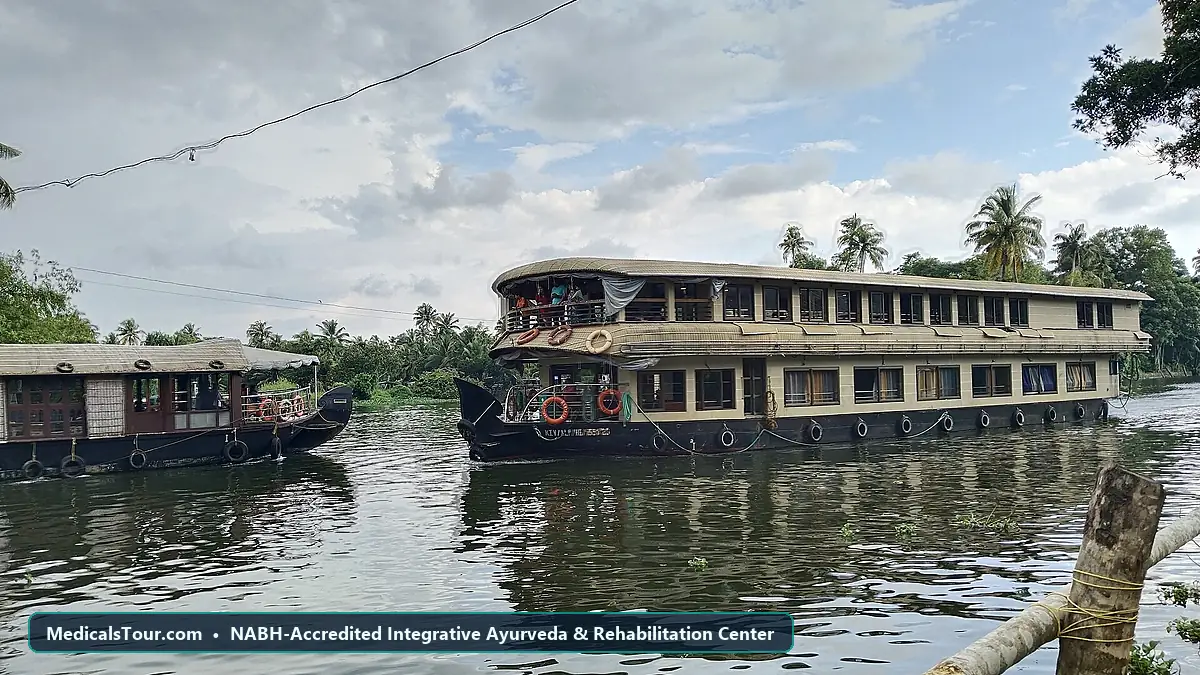
Hundreds of coastal resorts in Goa, Kovalam, and Rishikesh paint the word “Ayurveda” on wooden beach signs while staffing untrained massage workers who reuse rancid oils and dispense unlabeled loose powders. Medical travelers recovering from real pathology must draw an uncompromising regulatory boundary: book exclusively with institutions holding active NABH (National Accreditation Board for Hospitals & Healthcare Providers) AYUSH Hospital Accreditation.
As detailed in our JCI vs NABH Hospital Accreditation Guide, NABH AYUSH hospital standards audit credentialed physician staffing (doctors holding a 5.5-year university BAMS — Bachelor of Ayurvedic Medicine and Surgery plus a 3-year MD-Ayurveda specialization in Kayachikitsa internal medicine or Panchakarma), sterile single-patient linen and therapy-table sanitization, emergency allopathic resuscitation tie-ups, fire and wheelchair ramp safety, and documented clinical outcome charting.
- Dual Allopathic-Ayurvedic Oversight: Leading integrative campuses in Kerala (Palakkad, Thrissur, Kochi, and Thiruvananthapuram corridors) and Bengaluru/Delhi NCR retain consulting allopathic internists and physiotherapists alongside senior Vaidyas so Western blood-pressure, diabetes, and orthopedic weight-bearing orders are respected verbatim.
- Targeted External Musculoskeletal Modalities: For stiff osteoarthritic joints, chronic sciatica, or late-stage post-surgical myofascial fibrosis (after full incision healing), physicians prescribe localized warm oil pooling (Janu Basti for knees, Kati Basti for lumbar spine, Greeva Basti for cervical disc stiffness), warm herbal bolus poultices (Patra Pinda Sweda / Navarakizhi), and gentle oil stream thermotherapy (Pizhichil) that boost synovial microcirculation and ease muscle tone prior to active physiotherapy stretching.
- Understanding True Clinical Panchakarma Timelines: Authentic five-fold cleansing is never a casual three-day weekend detox. Classical inpatient protocols require a 5-to-7-day preparatory oleation and sudation phase (Purvakarma), supervised therapeutic elimination tailored to cardiovascular fitness (Pradhanakarma), and a restorative metabolic rebuilding phase (Paschatkarma)—which is why ethical MD-Ayurveda directors decline requests to cram aggressive purgation into short five-night tourist stopovers.
Anti-inflammatory clinical dietetics quietly reinforces every afternoon physical therapy session inside accredited integrative wards. Instead of processed hospital puddings and fried cafeteria fare, hospital kitchens prepare warm, easily digested plant-forward meals tailored to blood-sugar and renal targets—split mung-bean protein broths, steamed red-rice gruels, cold-pressed coconut or sesame lipids, and bioavailable curried turmeric-ginger-black-pepper infusions—helping systemic C-Reactive Protein (`hs-CRP`) markers, visceral bloating, and non-restorative insomnia settle steadily across a three-week stay.
Clinical Safety Red Lines: Incision Healing, Anticoagulant Checks & Heavy-Metal Screening
Combining Western surgery with traditional Indian rehabilitation succeeds when clear clinical guardrails govern timing and pharmacology—and fails dangerously whenever enthusiasm overrides physiology. Enforce four strict medical red lines on your trip:
- Never Apply Medicated Oils Over Unhealed Surgical Wounds: Fresh orthopedic, spinal, or abdominal incisions require 100% dry epithelial closure—sutures or staples out, zero serous oozing, and explicit surgeon clearance (typically minimum 21 to 28 days post-surgery)—before any warm herbal oil, poultice, or hydrotherapy immersion touches surrounding skin. During Days 5 through 21 post-op, stick strictly to dry Western hospital physiotherapy.
- Screen for Deep Vein Thrombosis Before Lower-Limb Massage: Vigorous calf or thigh massage in a post-surgical or post-long-haul patient harboring an occult venous clot can dislodge a pulmonary embolus. Reputable integrative hospitals verify negative lower-limb venous Doppler status and avoid deep pressure over femoral/popliteal vascular tracts.
- Disclose Every Blood Thinner & Prescription Drug: Concentrated herbal decoctions containing high-dose Guggulu, garlic, ginger, fenugreek, or Ashwagandha can potentiate apixaban, rivaroxaban, warfarin, clopidogrel, or oral hypoglycemics. Keep taking all prescribed Western cardiac, thyroid, and anticoagulant medications on schedule, and ask the admitting MD-Ayurveda physician to stick strictly to external therapies if drug-herb CYP450 interactions pose any ambiguity.
- Zero Unverified Herbo-Mineral “Bhasma” Formulations: Historically, certain traditional Rasa Shastra metallic-ash preparations sold by unregulated practitioners triggered lead, mercury, or arsenic toxicity warnings from the US FDA and CDC. Insist exclusively on AYUSH GMP-certified, purely botanical (plant-only) formulations backed by third-party ICP-MS heavy-metal and pesticide batch-testing certificates.
Patients living with Stage 3–4 chronic kidney disease, decompensated heart failure, or brittle insulin-dependent diabetes must also steer clear of fluid-loading oral ghee protocols (Snehapana) or purgation regimens that shift serum potassium and intravascular volume—opting instead for gentle localized warm poultices paired with cardiorespiratory-monitored MPT physical therapy. Likewise, adults carrying implanted cardiac pacemakers, implantable cardioverter-defibrillators (`ICDs`), or spinal cord stimulators must alert both the PM&R physiotherapist and Ayurvedic physician on Day 1 so shortwave diathermy, interferential electrical currents, and magnetic therapy pads are kept completely clear of chest or paraspinal pulse generators. Oncology survivors in active remission should also confirm with their home medical oncologist before accepting vigorous whole-body lymphatic massage or immune-modulating botanical tonics, sticking safely to mechanical joint mobilization, aquatic gait training, and guided restorative breathwork.

Applying for India’s e-Ayush Visa vs Standard e-Medical Visa for US Citizens
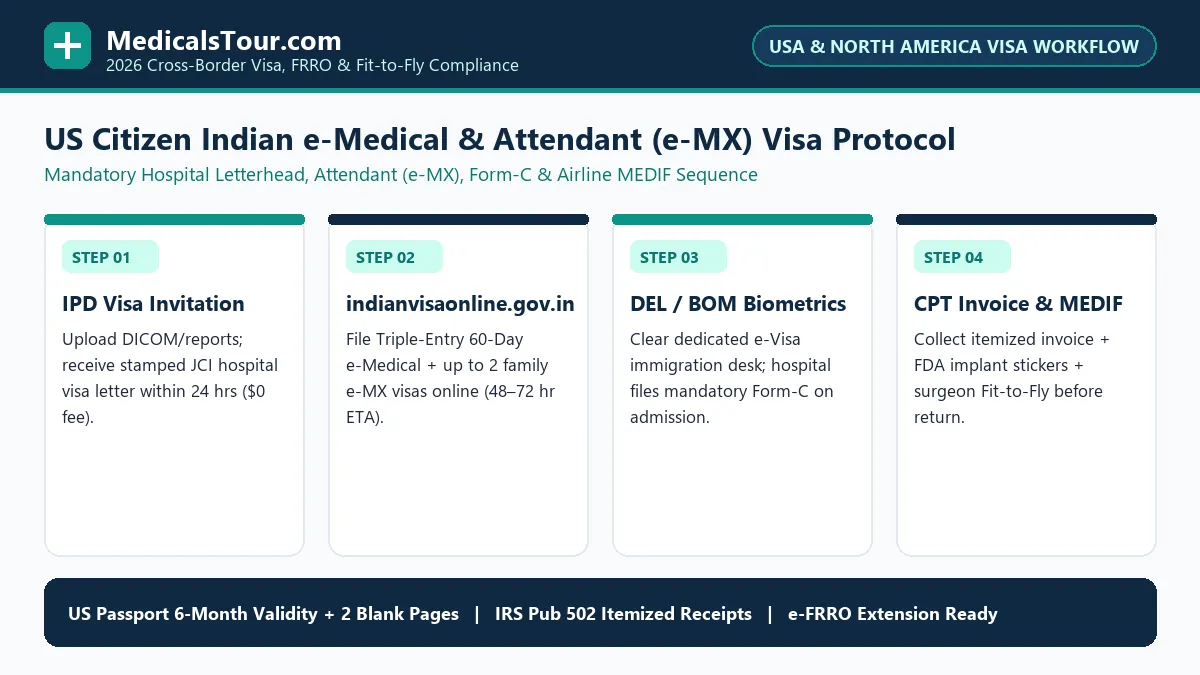
To formalize credentialed traditional medicine and integrative rehabilitation for foreign nationals, India’s Ministry of Home Affairs introduced a dedicated visa stream—the e-Ayush Visa (and companion e-Ayush Attendant Visa)—alongside the classic allopathic e-Medical Visa. Selecting the right electronic category depends on which institution issues your primary admission letter; review step-by-step portal instructions in our US Citizen India e-Medical & Ayush Visa Guide.
| Feature / Travel Scenario | Standard e-Medical Visa (MED) | Dedicated e-Ayush Visa (AYUSH) |
|---|---|---|
| Primary Clinical Purpose | Surgery + inpatient/outpatient allopathic PM&R rehab at JCI/NABH multi-specialty hospitals (e.g., Kokilaben, MIOT, Medanta). | Residential therapeutic Ayurveda, Panchakarma, Yoga therapy or integrative convalescence at NABH-accredited AYUSH hospitals. |
| Required Supporting Letter | Official invitation letter on letterhead from a recognized allopathic tertiary hospital citing clinical diagnosis & dates. | Official treatment admission letter from an NABH-accredited or government-recognized AYUSH hospital/wellness center. |
| Validity & Entries | 60 days from arrival, Triple Entry permitted; extendable via e-FRRO if physician certifies ongoing clinical need. | 60 days from arrival, Triple Entry permitted; up to two family caregivers eligible under e-Ayush Attendant sub-category. |
| Turnaround & Typical Daily Rhythm | 48–72 hr online approval; 09:00 robotics/physio, 11:30 hydrotherapy, 15:30 occupational/gait training. | 48–72 hr online approval; 06:30 therapeutic breathwork, 08:30 MD round + oil therapy, 16:00 MPT stretching & anti-inflammatory supper. |
What if you are flying to Mumbai or Chennai for primary robotic joint replacement first and then flying ninety minutes south to Cochin (COK) three weeks later for a fourteen-day NABH integrative mobility stay once your surgeon removes staples? In that combined two-center scenario, enter India on the standard e-Medical Visa issued by your primary surgical hospital; an active Medical Visa legally covers subsequent medically supervised rehabilitation and accredited post-acute convalescence within your 60-day window. When booking domestic Air India or IndiGo flights into regional Kerala or Tamil Nadu airports (`COK`, `TRV`, or `CJB`), pre-register `WCHS` ramp-step assistance 48 hours ahead so hydraulic scissor-lift “ambulift” vehicles board wheelchair or walker users smoothly even at remote apron stands.
Climate Timing Across Mumbai, Chennai & Kerala Plus Home Exercise Continuity
Weather shapes rehabilitation comfort far more than first-time American visitors anticipate. For elderly orthopedic and neurological travelers coming from freezing winters in Minnesota, Massachusetts, or Illinois, November through early March offers balmy 75°F–84°F (24°C–29°C) low-humidity sunshine across Mumbai, Chennai, and Kerala—letting stiff arthritic joints loosen naturally on flat palm-lined walking paths without icy sidewalk slip hazards. Conversely, classic Ayurvedic scriptures prize Kerala’s June-to-August southwest monsoon because dust-free 85% humidity opens cutaneous pores for warm medicated oil therapies; just confirm step-free covered walkways, wheelchair-width bathroom doors (≥ 34 inches), grab bars beside Western-height commodes, and non-slip rubberized shower mats if traveling with a walker or cane during rainy months.
Avoid peak dry summer heat (mid-April through May, when inland temperatures top 102°F / 39°C) unless your entire rehabilitation schedule stays inside centrally air-conditioned hospital towers like Kokilaben Mumbai. Respect transmeridian jet lag on Day 1 as well: after sixteen hours aloft from North America, reputable physiatrists hold back intensive robotic treadmill or steam-sudation sessions for twenty-four hours—dedicating Arrival Day strictly to oral electrolyte rehydration, orthostatic blood-pressure checks, and restful sleep so postural dizziness never triggers a bathroom fall.
From Medical Tour’s post-rehab patient surveys, lasting functional carryover comes from capturing your Indian therapist’s exact cues on video during your final three mornings—filming resistance-band anchor heights, scapular setting angles, and safe chair-rise mechanics on your smartphone—paired with a typed Functional Independence Measure (FIM), 10-Meter Walk Test speed, and goniometric range-of-motion discharge summary for your US outpatient PT. Scheduling a 30-day and 90-day live video check-in with your Mumbai, Chennai, or Kerala physiatrist after returning to North America keeps home exercise accountability high when winter routines resume. Explore additional surgical and recovery pairings across our International Medical Travel Corridors hub.