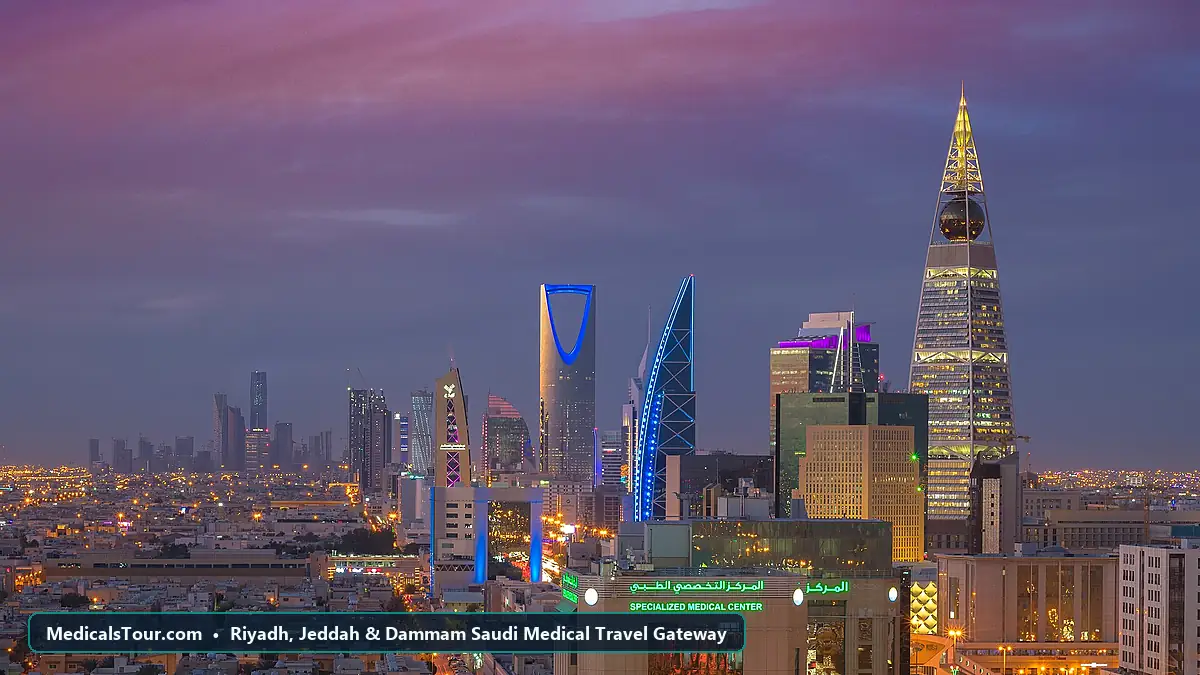
When a family in Riyadh’s Al Olaya district, Jeddah’s Al Rawdah quarter, or the Eastern Province cities of Dammam and Al Khobar confronts a complex multi-level spinal decompression, neuro-oncological craniotomy, pediatric congenital heart defect, or living-donor transplant, two domestic realities surface quickly. Subspecialty waiting lists at flagship public referral centres can stretch across critical weeks, while self-pay surgical estimates at private hospitals in Riyadh and Jeddah routinely climb past SAR 85,000 to SAR 175,000 once Council of Health Insurance (CHI) policy ceilings, co-insurance limits, or pre-existing exclusions bite.
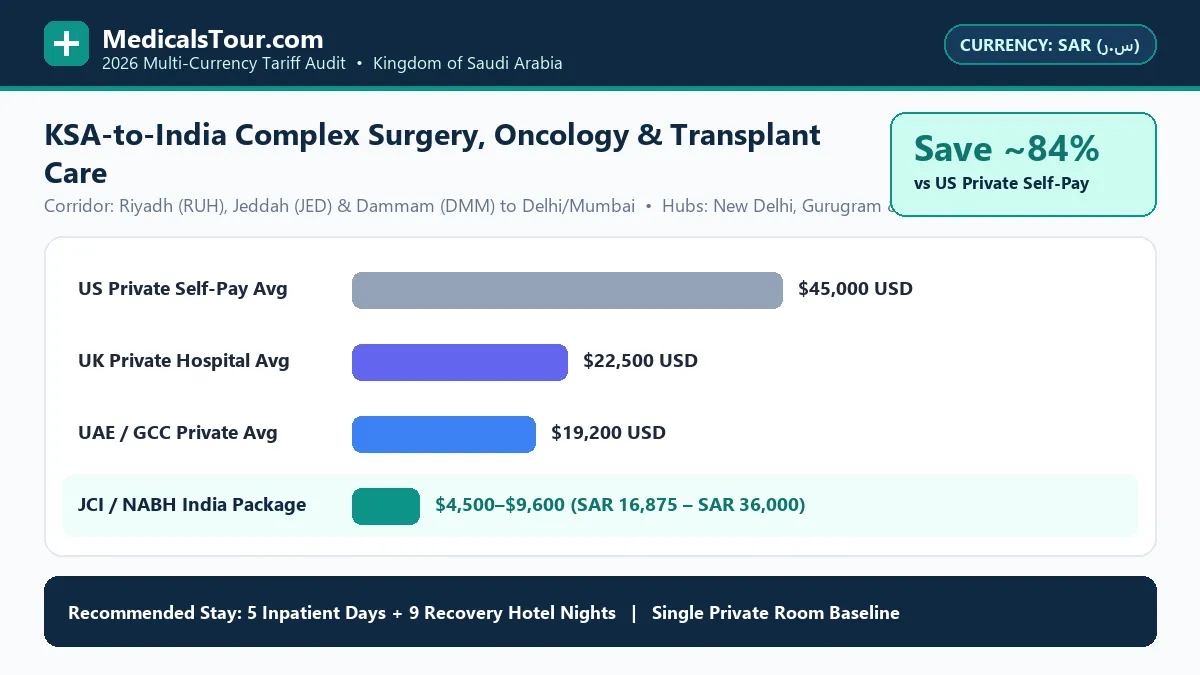
Four to five hours east aboard a nonstop Saudia Boeing 787 Dreamliner or Air India widebody into New Delhi or Mumbai, India’s JCI-accredited quaternary medical centres deliver identical surgical hardware and ICU nursing ratios at a fraction of Kingdom private tariffs. Benchmarked across Medical Tour’s 2026 Gulf surgical audit at the Saudi Riyal’s fixed dollar peg (1 USD = 3.75 SAR), comprehensive Single Private Room surgical packages in New Delhi, Gurugram, and Mumbai run $4,500 to $9,600 (SAR 16,875 to SAR 36,000).
For travelers departing King Khalid International (RUH), King Abdulaziz International (JED), or King Fahd International (DMM), smooth execution hinges on separating the fast online e-Medical Visa route for Saudi citizens from the BLS International + Absher Exit/Re-Entry workflow required for many Iqama-holding expatriates, alongside understanding VIP suite billing multipliers and female-led clinical privacy standards.
2026 Hospital Package Benchmarks in Saudi Riyals (SAR): Kingdom Private Rates vs India
Private tertiary hospitals across Riyadh, Jeddah, and Al Khobar price complex inpatient procedures on itemized fee-for-service schedules where ICU bed nights (SAR 4,500–7,500/day), imported spinal cages or cardiac valves, intraoperative neuromonitoring, and consultant rounds compound rapidly whenever recovery extends by forty-eight hours.
Indian corporate hospitals quote structured surgical bundles anchored to a Standard Single Private Room, giving Saudi households clear pre-travel cost visibility. Cross-check detailed clinical inclusions in our Spine Surgery & Fusion Cost Breakdown and PET-CT & Oncology Surgery Cost Guide before requesting a hospital Proforma Invoice.
| Quaternary Procedure (Single Private Room) | KSA Private Hospital (SAR) | India JCI Package ($ USD) | India Equivalent in SAR (1$ = 3.75) |
|---|---|---|---|
| O-Arm Robotic Lumbar Spine Fusion (1–2 Level TLIF) | SAR 78,000 – 118,000 | $5,400 – $7,600 | SAR 20,250 – 28,500 |
| Off-Pump Beating-Heart CABG Bypass | SAR 98,000 – 155,000 | $5,500 – $7,900 | SAR 20,625 – 29,625 |
| Da Vinci Xi Oncology Resection + Staging PET-CT | SAR 92,000 – 160,000 | $6,400 – $9,600 | SAR 24,000 – 36,000 |
| Robotic Bilateral Total Knee Replacement (Both Knees) | SAR 95,000 – 135,000 | $7,200 – $9,200 | SAR 27,000 – 34,500 |
| Neuronavigation Brain Tumour Craniotomy | SAR 110,000 – 175,000 | $6,600 – $9,400 | SAR 24,750 – 35,250 |
| Autologous Bone Marrow Transplant (HEPA BMT Unit) | SAR 320,000 – 480,000 | $18,500 – $26,000 | SAR 69,375 – 97,500 |
Pre-Admission Workup & Take-Home Pharmacy Reserve in SAR
Set aside SAR 1,600 to SAR 3,000 ($425 to $800) outside your inpatient surgical quote for Day 1–2 outpatient investigations—covering specialist consultations, 2D echocardiography, viral serology, NABL blood panels, and high-resolution 3T MRI or CT angiography—plus SAR 750 to SAR 1,800 for 30-to-90-day discharge prescriptions settled at the hospital pharmacy.
When comparing a Kingdom private estimate against an Indian Proforma Invoice, inspect implantable hardware brands line by line. Leading JCI hospitals in New Delhi, Gurugram, and Mumbai implant the exact US FDA-cleared and European CE-marked prostheses used in Riyadh’s premier tertiary hospitals—Stryker Triathlon/Mako, Zimmer Biomet Persona, and DePuy Attune knee systems; Medtronic O-Arm titanium/PEEK spinal constructs; Abbott/Edwards cardiac valves; and Boston Scientific/Medtronic drug-eluting coronary stents. The 65% to 75% SAR cost reduction stems from Indian specialist team salaries, pharmaceutical manufacturing scale, and bundled ward tariffs—never from unbranded implants.
Two Distinct Visa Pathways: Saudi Nationals (e-Medical) vs Iqama Expatriates (BLS KSA + Absher)
Visa preparation from the Kingdom splits sharply depending on whether the patient travels on a green Saudi passport or resides in KSA as an expatriate holding a Digital Iqama (Muqeem):
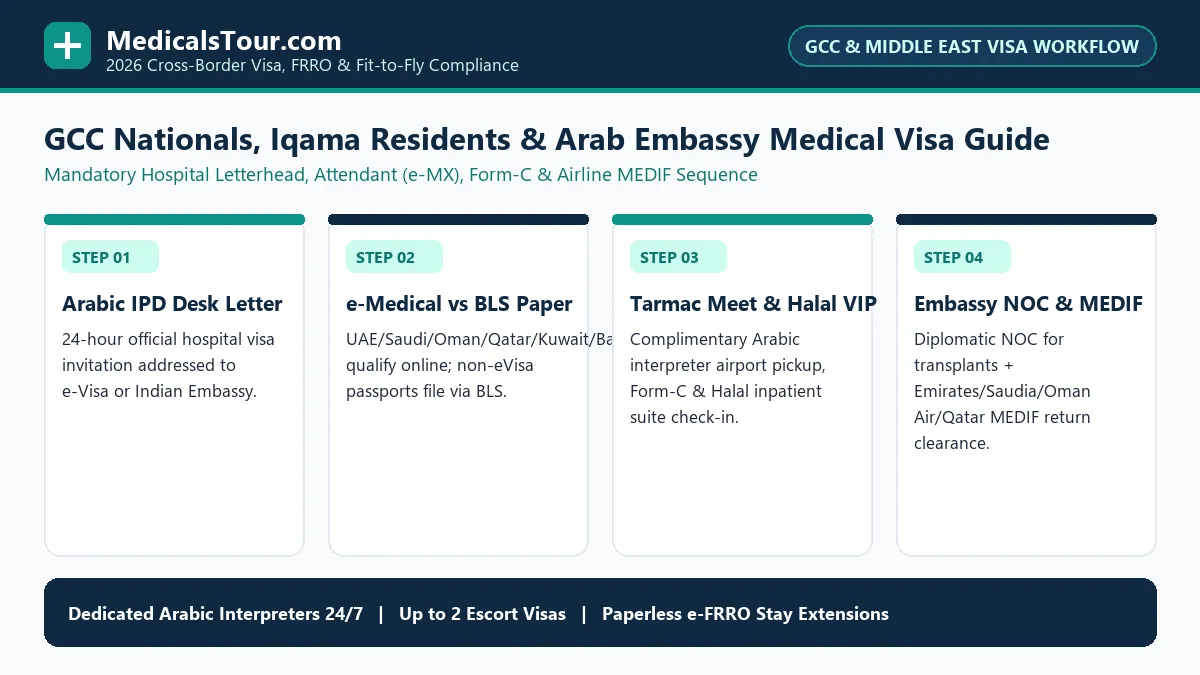
- Pathway 1 — Saudi Citizens (Online Indian e-Medical Visa): Nationals of the Kingdom of Saudi Arabia qualify directly on India’s official electronic visa portal for a 60-day triple-entry e-Medical Visa, typically approved inside 48 to 72 hours. Up to two accompanying Saudi family members (Mahram, spouse, adult son, or brother) can apply simultaneously for linked e-Medical Attendant Visas using the same hospital Visa Invitation Letter (VIL). Complete companion document requirements sit in our Medical Attendant Visa Checklist.
- Pathway 2 — Iqama-Holding Expatriates in KSA: If you hold a Philippine, British, Jordanian, Omani, American, or South African passport while working in Riyadh or Jeddah, you also qualify online for the e-Medical Visa. However, KSA’s large Arab and African resident communities holding Yemeni, Sudanese, Egyptian, Syrian, Palestinian-travel-document, or Pakistani passports are not eligible for electronic visas and must submit physical applications at BLS International Visa Application Centres in Riyadh (Umm Al Hamam / Diplomatic Quarter corridor), Jeddah (Albaghdadiyah Algharbiyah), or Al Khobar / Dammam. Ensure your chosen Indian hospital emails a copy of the signed VIL directly to the Embassy of India (Riyadh) or Consulate General of India (Jeddah) matching your jurisdiction.
- Mandatory Absher Exit/Re-Entry (Khorooj wa Awdah) Buffer: Every Iqama holder and sponsored family dependent must verify before flying that their sponsor issues an Absher Exit/Re-Entry Visa valid for at least 60 to 90 days—never a tight 14-day window—so an unexpected extra week of post-surgical physiotherapy or FRRO extension never risks Iqama expiry outside the Kingdom.
Ministry of Health Overseas Referrals vs Private Self-Pay Speed
While the Saudi Ministry of Health (MOH) Medical Committees sponsor selected complex quaternary cases abroad through Saudi Health Attaché offices, committee reviews and overseas bed allocations frequently span multiple months for non-emergent spinal stenosis, knee osteoarthritis, fertility, or second-opinion oncology. Consequently, thousands of Saudi families choose direct self-pay admission at JCI-accredited hospitals in New Delhi, Gurugram, and Mumbai—locking in a confirmed surgical theatre slot within seven days of video consultation for less than the out-of-pocket co-payments at domestic private towers, while retaining full English and Arabic clinical summaries for follow-up inside the Kingdom.
Nonstop Flight Network from RUH, JED & DMM into New Delhi (DEL) and Mumbai (BOM)
Direct widebody and single-aisle connections link Saudi Arabia’s three main aviation regions straight into India’s northern and western quaternary hubs without transiting third countries—a major advantage for elderly parents or spine and cardiac patients.
| KSA Departure Hub | Indian Arrival Airport | Nonstop Carriers | Flight Time |
|---|---|---|---|
| Riyadh King Khalid (RUH T3/T4) | New Delhi IGI (DEL T3) | Saudia (B787/A330), Air India, Flynas, IndiGo | 4 hrs 15 mins |
| Riyadh King Khalid (RUH T3/T4) | Mumbai CSMIA (BOM T2) | Saudia, Air India, Flynas, IndiGo | 4 hrs 05 mins |
| Jeddah King Abdulaziz (JED T1) | Mumbai (BOM) & New Delhi (DEL) | Saudia (widebody), Air India, IndiGo, Akasa/Flynas | 4 hrs 50m – 5 hrs 20m |
| Dammam King Fahd (DMM) | Mumbai (BOM) & New Delhi (DEL) | Air India, Air India Express, IndiGo (plus 45m BAH Gulf Air) | 3 hrs 45m – 4 hrs 05m |
Saudia Stretcher, Oxygen & Business-Class MEDIF Logistics
Saudia’s widebody Boeing 787 and Airbus A330 aircraft operating RUH–DEL, RUH–BOM, JED–DEL, and JED–BOM are equipped to accommodate both 180-degree lie-flat Business Class recovery seating and full rear-cabin commercial stretchers for bed-bound neurosurgical or trauma referrals. Remember that Saudia Medical Services requires formal IATA MEDIF submission at least 72 business hours before departure whenever supplemental medical oxygen (2–4 L/min), stretcher installation, or early post-craniotomy/cardiac clearance is involved.
Families flying out of the Eastern Province (Dammam, Dhahran, Al Khobar, and Jubail) have two convenient routing choices: boarding direct Air India or IndiGo flights from King Fahd International Airport (DMM) into Mumbai and New Delhi in under four hours, or driving fifty minutes across the King Fahd Causeway to Bahrain International Airport (BAH) to utilize Gulf Air’s lie-flat Falcon Gold cabins into Mumbai, Delhi, and Chennai. Whichever airport you choose, pre-book hospital tarmac wheelchair pickup 48 hours ahead so elderly parents bypass long immigration walking corridors.
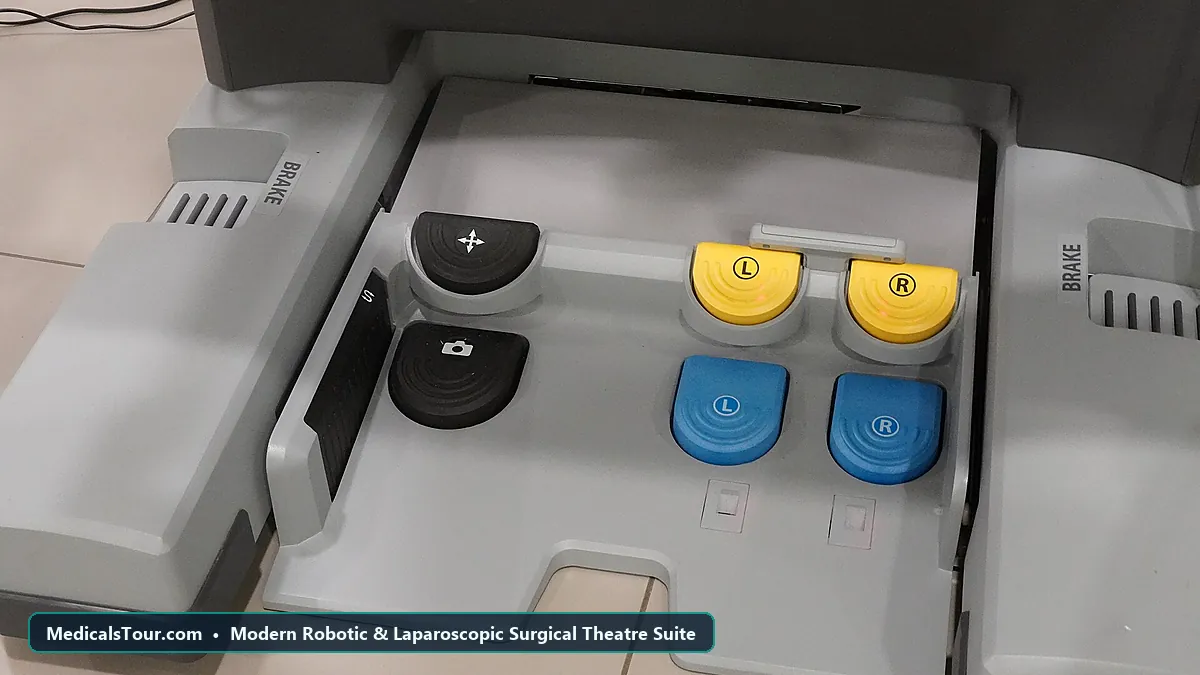
Inside Max Super Speciality Hospital Saket & Lilavati Hospital Bandra for KSA Families
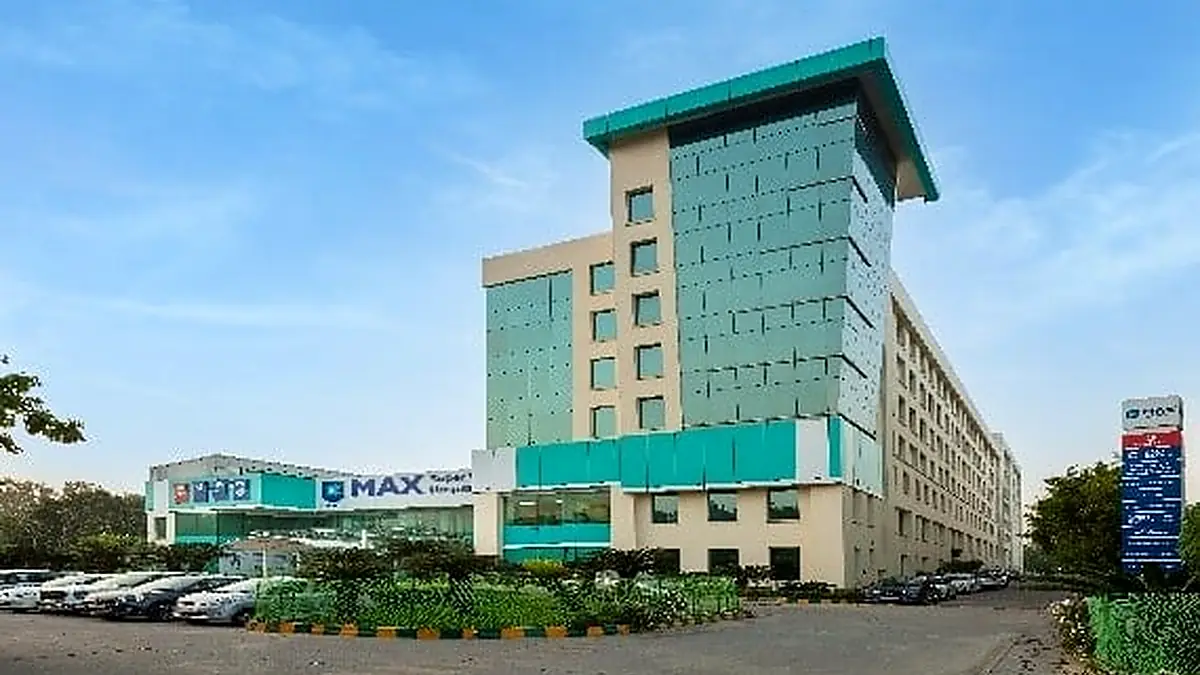
Saudi and KSA-resident families predominantly split admissions between South Delhi and suburban coastal Mumbai depending on specialty and family accompaniment size. In the capital, Max Super Speciality Hospital, Saket in New Delhi anchors one of India’s highest-volume Saudi and Gulf patient corridors—housing dedicated neurosciences (intraoperative MRI BrainSuite), robotic spine, oncology, liver/kidney transplantation, and bariatric institutes across East and West Blocks just twenty-five minutes from IGI Airport Terminal 3. Dental and fertility combinations on the Delhi corridor are also mapped in our UAE & Saudi to Delhi Dental & IVF Travel Guide within our International Medical Corridors Hub.
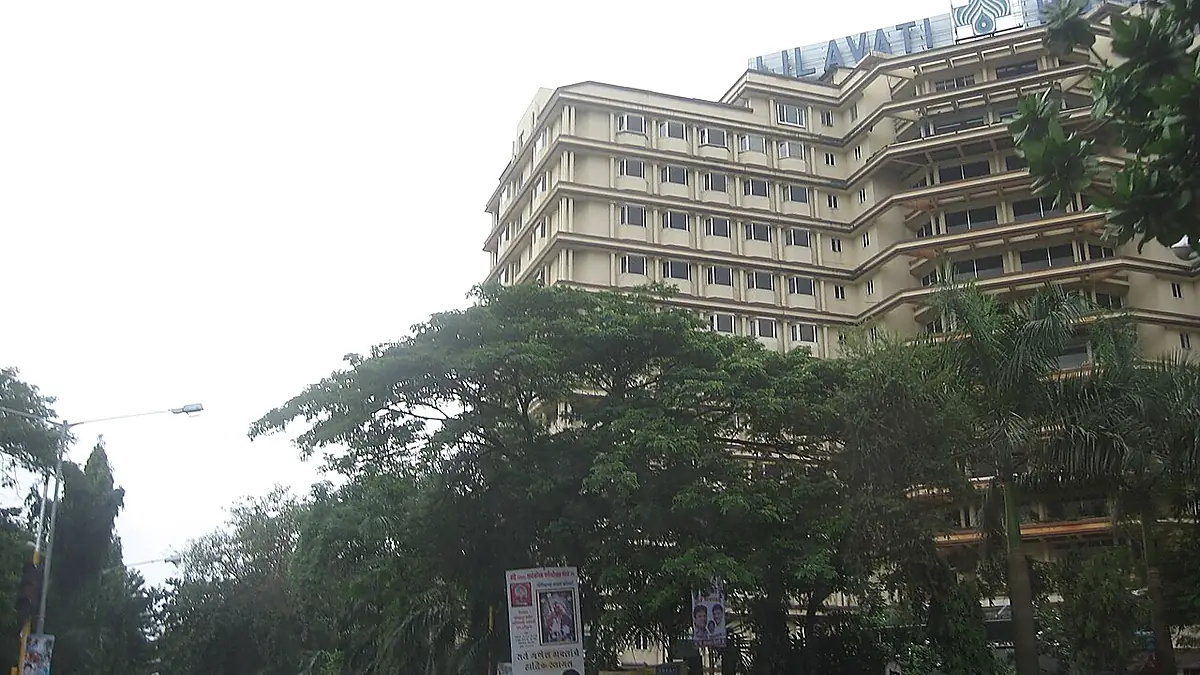
In western Mumbai, Lilavati Hospital & Research Centre at Bandra Reclamation overlooks the Arabian Sea twenty-five minutes from Mumbai Airport Terminal 2, earning multi-generational trust among Jeddah and Makkah families for complex orthopaedic joint revision, interventional cardiology, gastrointestinal surgery, and ophthalmology.
Understanding VIP Suite Multipliers Before Upgrading Rooms
Saudi families traveling with two or three relatives naturally gravitate toward Deluxe Suites or Presidential VIP Suites offering a separate Majlis-style family sitting lounge and twin bathrooms ($390–$780 / SAR 1,460–2,925/night). Before signing an upgrade form at admission, ask the International Billing Manager for a written side-by-side re-quote: moving from a Standard Single Private Room to a VIP Suite increases non-implant surgeon, anaesthesia, nursing, and operating room tariffs by 25% to 35% across the entire surgical bill. Many savvy Riyadh families keep the patient in a quiet Single Private Room during acute post-op days while renting a spacious 2BHK luxury apartment five minutes away for accompanying relatives.
When selecting between New Delhi/Gurugram and Mumbai from Saudi Arabia, weigh seasonal weather and subspecialty volume alongside flight schedules. From April through June, coastal Bandra in Mumbai stays moderated by Arabian Sea breezes compared with Delhi’s dry early-summer heat, whereas from October through March South Delhi’s crisp 18°C to 24°C daytime weather makes post-operative courtyard strolls outside Max Saket or Medanta Gurugram pleasant for elderly Saudi parents recovering from joint replacement or cardiac bypass.
Female-Led Clinical Privacy, Halal Dietary Supervision & Companion Etiquette
Cultural privacy for Saudi women and elders is built into standard operating procedures at leading Delhi, Gurugram, and Mumbai JCI hospitals rather than treated as an awkward special request. When booking a pre-arrival teleconsultation for obstetrics-gynaecology, breast oncology, colorectal surgery, urology, or diagnostic radiology, specify female-clinician preferences upfront so the international coordinator assigns senior female consultants, female sonographers for breast/pelvic ultrasound, and female ward nurses with curtain-screened knock-and-wait entry signage on the private room door.
Hospital inpatient kitchens maintain strict Halal slaughter certification, serving Arabic-friendly roasted chicken, lamb kabsa-inspired rice dishes, warm lentil shorba, fresh fruits, and dates tailored to cardiac or diabetic salt/carbohydrate targets. Dedicated male and female Musalla prayer rooms with ablution (Wudu) areas operate inside Max Saket, Medanta, Fortis, and Mumbai flagship blocks, while Saket, Nizamuddin, Gurugram Sector 38, and Bandra West surround patients with Halal Arabic bakeries, Yemeni Mandi kitchens, and Lebanese grills delivering straight to serviced apartments.
Arabic Medical Reports, Embassy NOCs & SFDA Medication Rules
Two administrative details protect Saudi families from delays during complex admissions and return travel. First, if traveling for living-related kidney or liver transplantation, Indian statutory law under the Transplantation of Human Organs and Tissues Act (THOA) requires a formal No Objection Certificate (NOC) issued by the Royal Embassy of Saudi Arabia in New Delhi (in Vasant Vihar) verifying family kinship documents alongside HLA/DNA testing—allow ten extra pre-op outpatient days for committee sign-off. Second, when carrying 30 to 90 days of post-operative analgesics, neuropathic gabapentinoids, or targeted oncology tablets back through Riyadh or Jeddah customs, ensure your Indian hospital issues a stamped English physician certificate matching Saudi Food and Drug Authority (SFDA) personal-use narcotic/controlled-substance declaration rules, alongside your Post-Surgery Fit-to-Fly Certificate.
Multi-Week Family Accommodation & FRRO Registration Rules in Delhi and Mumbai
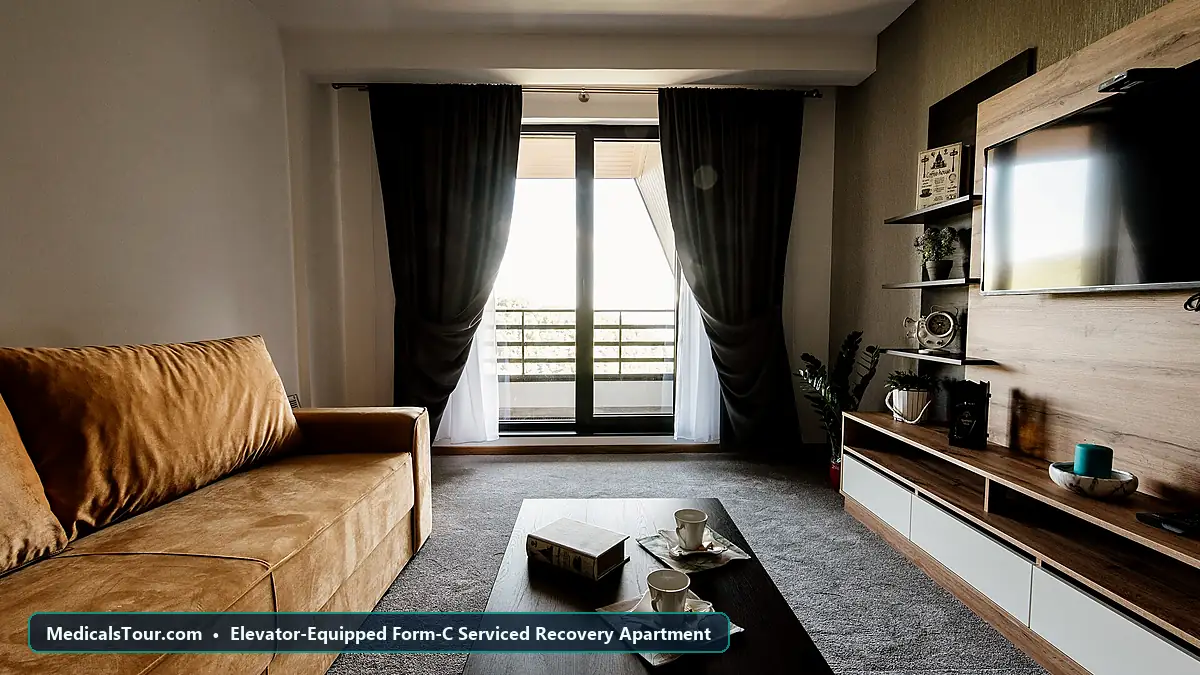
For stays lasting two to four weeks—typical for bilateral knee arthroplasty, spinal fusion, or adjuvant radiation cycles—families from Riyadh and Jeddah strongly prefer elevator-equipped 2BHK or 3BHK serviced apartments in Saket, Greater Kailash II, or Defence Colony (New Delhi, SAR 320–620/night) and Bandra West, Khar, or Santacruz (Mumbai, SAR 360–700/night). Always verify two statutory compliance items before handing cash or card deposits to a property broker:
- Electronic Form-C Registration: Under Indian law, every hotel, guest house, and serviced apartment hosting foreign passport holders must submit online Bureau of Immigration Form C within 24 hours of check-in and hand you a printed acknowledgment copy—required later at hospital transplant committees, FRRO extensions, or airport exit checks if delayed.
- 14-Day e-FRRO Rule for Stamped Paper Medical Visas: While Saudi citizens entering on a 60-day online e-Medical Visa are exempt from FRRO registration unless extending beyond 60 days, Iqama expatriates entering on a 6-month or 1-year stamped BLS paper Medical (MED) Visa must complete online e-FRRO registration within 14 days of arrival—a free digital upload assisted directly by the hospital’s international desk, explained step-by-step in our FRRO Medical Visa Registration & Extension Guide.
Inspect apartment accessibility via live WhatsApp video before committing to a multi-week lease: verify backup power generators (essential during summer monsoon peak loads), step-free elevator access from street level without three entrance stairs, Western raised commodes with handheld bidet sprayers (shattaf, standard across Indian apartments), and a walk-in shower enclosure rather than a high-rimmed tub so spinal or knee replacement patients bathe safely. Confirming high-speed fibre Wi-Fi inside the apartment also lets adult children keep remote business meetings in Riyadh or Dammam running smoothly during afternoon convalescence hours.
SAR-to-USD SWIFT Transfers via Al Rajhi, SNB & STC Bank Without Billing Delays
Saudi banks—including Al Rajhi Bank, Saudi National Bank (SNB), Riyad Bank, Alinma Bank, and Banque Saudi Fransi—support direct app-based international USD SWIFT transfers when backed by a signed hospital Proforma Invoice under ”Medical Treatment Abroad“ remittance purpose codes, as detailed in our Hospital Wire Transfer & Forex Billing Guide. Initiate your wire 5 working days before admission so funds clear the hospital’s corporate Nostro account before discharge day (hospitals cannot issue final discharge clearance against an unsettled pending SWIFT copy). Keep a Visa or Mastercard credit card enabled for international POS transactions (separate from domestic-only Mada tiers) for Day 1 outpatient scans, while always choosing INR rather than SAR at card terminals to skip 3.5% Dynamic Currency Conversion fees.
Before flying out of Riyadh or Jeddah, upload your recent Kingdom MRI, CT, PET-CT, and echocardiography files (accessible through hospital patient apps or Sehhaty summary records) to the Indian hospital’s PACS cloud link. Receiving a written surgical second opinion, hardware brand confirmation, and itemized SAR-converted Proforma Invoice before booking flights gives KSA families complete clinical clarity from home.
Sample 14-Day Riyadh-to-Delhi Spine or Cardiac Total Budget in SAR
- Single Private Room JCI Surgical Bundle: SAR 20,250 – SAR 29,625 ($5,400 – $7,900)
- Pre-Op 3T MRI / Echo Bloodwork + 60-Day Discharge Pharmacy: SAR 2,400 – SAR 4,100 ($640 – $1,095)
- 9 Nights 2BHK Family Serviced Apartment + Airport/Clinic Cars: SAR 3,400 – SAR 5,600 ($905 – $1,495)
- Two Nonstop Return Economy Fares (RUH/JED–DEL or BOM): SAR 3,600 – SAR 5,800 ($960 – $1,545)
All-in across surgery, companion apartment, nonstop Saudia flights, and take-home medications, a household from Riyadh or Jeddah invests roughly SAR 29,650 to SAR 45,125—often less than one-third of uninsured private surgical quotes inside the Kingdom. Customize your room tier, attendant count, and city comparison inside Medical Tour’s interactive Medical Trip Budget Planner.
Post-Return Clinical Continuity With Your Kingdom Physician
Continuity of care after landing back at King Khalid or King Abdulaziz International Airport depends on carrying structured medical documentation rather than handwritten notes. Before leaving your New Delhi, Gurugram, or Mumbai hospital, verify that your discharge folder holds six items: a typed operative summary signed by the department chair, implantable device manufacturer serial stickers (critical for future MRI safety checks at Saudi hospitals), whole-slide pathology or NABL microbiology reports, an uncompressed USB or cloud link of post-operative radiographs/CTs, a 30-day anticoagulation and physiotherapy milestone sheet, and direct email/WhatsApp coordinates for the surgical fellow. Presenting that complete English dossier—alongside a certified Arabic translation summary if submitting to a municipal employer board—allows your local specialist in Riyadh, Jeddah, or Dammam to supervise routine suture checks, INR/PSA labs, or cardiac rehabilitation without repeating expensive baseline tests.