At first glance, outbound medical travel from Warsaw, Krakow, Prague, Bratislava, or Budapest to India surprises casual observers: Central Europe itself serves as Western Europe’s busiest destination for outpatient dental crowns, refractive eye laser clinics, and boutique cosmetic procedures. Yet step out of commercial day-surgery strip clinics into ultra-specialized quaternary oncology, neuro-radiosurgery, and pediatric cardiothoracic medicine, and Central European families run into a painful structural wall.
Public health funds—Poland’s Narodowy Fundusz Zdrowia (NFZ), Czechia’s VZP, Slovakia’s VšZP, Hungary’s NEAK, and Romania’s CNAS—maintain narrow statutory indication lists for pencil-beam scanning proton therapy and cross-border S2 referrals. When an adult or child is diagnosed with a skull-base chordoma, recurrent head-and-neck carcinoma, pediatric medulloblastoma, unresectable paraspinal sarcoma, uveal melanoma, or a complex single-ventricle congenital heart defect that falls outside immediate domestic reimbursement—or faces multi-month radiotherapy waiting queues—commercial self-pay quotes at Western or Central European proton and quaternary centres jump to €58,000 to €98,000 (250,000–420,000 PLN).
Anchored by LOT Polish Airlines’ nonstop Boeing 787 Dreamliner flights out of Warsaw Chopin (LO71 to New Delhi and LO75 to Mumbai), South and Southeast Asia’s premier JCI-accredited proton and pediatric cardiac centres in Chennai and New Delhi deliver identical IBA Proteus®PLUS pencil-beam technology and dedicated pediatric cardiac ICUs for €22,100 to €34,900 (~94,800–149,500 PLN) on proton courses and €5,430 to €9,200 on CyberKnife or congenital cardiac interventions. For parents in Mazovia, Silesia, Bohemia, Moravia, or Pest County racing against aggressive tumour doubling times or worsening pediatric cyanosis, cutting treatment delays from four months down to ten days while halving self-pay capital outlays changes everything. Drawing on Medical Tour’s 2026 Central European quaternary audit, this guide maps clinical physics, Polish and Czech medical-foundation proforma billing, LOT widebody connections, and six-week Chennai apartment logistics for families across Poland, Czechia, Slovakia, Hungary, and Romania.
Why NFZ, VZP and NEAK Families Look to Chennai and New Delhi for Quaternary Care
Nobody boards LOT flight LO71 at Warsaw Chopin Airport for a routine hernia repair or single tooth crown that a clinic in Wroclaw or Brno performs down the street. Central European referrals into India concentrate strictly at the sharpest end of hospital medicine where particle physics, sub-specialist annual case volume, and time-to-first-beam decide long-term survival and organ preservation:
- Intensity-Modulated Pencil-Beam Proton Therapy (IMPT): While Poland (CCB Bronowice in Krakow) and Czechia (PTC Prague) operate regional proton facilities, statutory NFZ, VšZP, and NEAK reimbursement covers a strictly enumerated subset of tumours, and self-paying privately inside Europe for off-list recurrent head-and-neck malignancies, pediatric sedated CNS lesions, mediastinal lymphomas, left-sided breast/chest-wall targets, or spinal re-irradiation frequently exceeds €65,000–€95,000. Chennai’s JCI-accredited proton centre treats 25–33 fraction courses with daily cone-beam CT image guidance for €22,100–€34,900 ($24,000–$38,000 USD).
- CyberKnife S7 Cranial & Spinal Radiosurgery: Patients from Hungary, Romania, Slovakia, and regional Polish voivodeships facing multi-month radiotherapy queues for acoustic neuroma, trigeminal neuralgia, arteriovenous malformations, oligometastatic brain or liver lesions, or paraspinal tumours complete 1-to-5-fraction sub-millimeter robotic radiosurgery within seven days of landing in New Delhi or Chennai.
- Complex Pediatric Congenital Cardiac & Living-Donor Liver Care: Infants and children needing multi-stage biventricular conversion, arterial switch, Rastelli conduit repair, unifocalization of MAPCAs, or living-related pediatric liver transplantation benefit from Indian surgical teams performing 600–1,000+ pediatric cases annually—volumes unmatched by smaller national centres in Central Europe.
Before booking flights, families upload raw DICOM CT/MRI/PET-CT archives and English or translated histopathology (wynik badania histopatologicznego / histopatologický nález) along with molecular markers (IDH1/2, MGMT, Ki-67, or INI-1 status) for a formal multidisciplinary tumour-board or heart-team teleconference within 48 hours. Senior radiation oncologists and pediatric cardiac surgeons confirm curative versus palliative intent candidly on camera before a single Złoty, Koruna, or Forint is committed—turning down a trip upfront whenever local palliative photon radiotherapy at home makes better clinical sense for the patient.
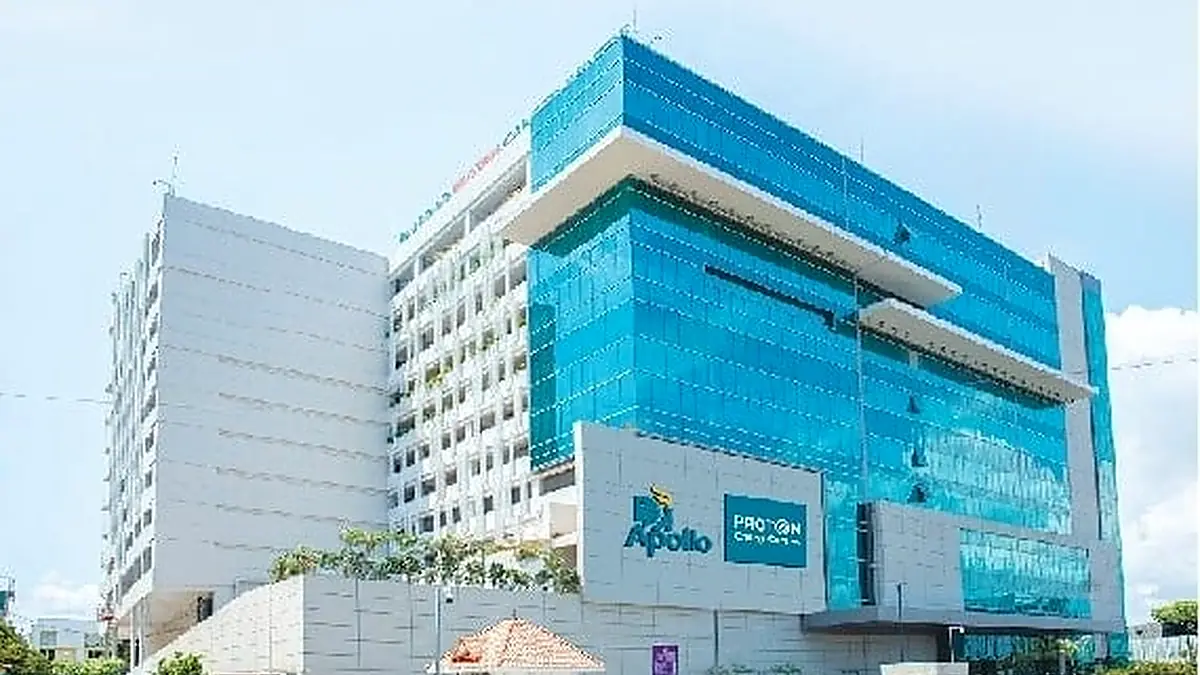
2026 Quaternary Tariffs in EUR and PLN: European Self-Pay vs India
Hospital international departments in Chennai and New Delhi issue itemized, stamped USD Proforma Invoices (1 USD ≈ €0.92 EUR ≈ 3.95 PLN ≈ 23.2 CZK at 2026 planning benchmarks) accepted both by private families and by registered Central European medical charities. Model multi-week apartment stays, flights, and treatment totals inside our Medical Trip Total Budget Planner.
| Quaternary Procedure / Modality | EU Private Self-Pay (€ / PLN) | India JCI Package (€) | Approx. Polish Złoty (PLN) |
|---|---|---|---|
| Pencil-Beam Proton Therapy (25–33 Fractions, Adult) | €58,000 – €88,000 (248k–376k PLN) | €22,100 – €31,300 | ~94,800 – 134,000 PLN |
| Pediatric Proton Therapy Under Daily General Anesthesia | €72,000 – €105,000 (308k–450k PLN) | €25,800 – €34,900 | ~110,600 – 149,500 PLN |
| CyberKnife S7 Stereotactic Radiosurgery (1–5 Fractions) | €15,500 – €24,000 (66k–103k PLN) | €5,430 – €7,730 | ~23,300 – 33,100 PLN |
| Pediatric Congenital Heart Repair (TOF / VSD / Conduit) | €34,000 – €58,000 (145k–248k PLN) | €5,800 – €9,200 | ~24,800 – 39,400 PLN |
| Neuronavigation Skull-Base / Brain Tumour Microsurgery | €22,000 – €36,000 (94k–154k PLN) | €6,100 – €8,650 | ~26,100 – 37,100 PLN |
| Robotic Onco-Resection + Whole-Body PET-CT Staging | €21,500 – €35,000 (92k–150k PLN) | €5,240 – €8,100 | ~22,400 – 34,700 PLN |
Notice one vital cost distinction: pencil-beam proton therapy is almost entirely an outpatient weekday treatment (15–30 minutes on the gantry Monday through Friday across 5 to 6 weeks). Instead of paying inpatient ward rates for 35 nights, Central European families rent clean, air-conditioned two-bedroom serviced apartments with full kitchens near Old Mahabalipuram Road in Chennai for €45 to €85 per night—keeping six-week family accommodation under €2,200–€3,200 total. For inpatient pediatric cardiac surgery or skull-base microsurgery in New Delhi or Chennai, always select a Standard Single Private Room rather than a luxury Presidential Suite so automatic 25%–35% room-tier multipliers do not inflate surgeon and ICU fees, and reserve €450–€950 separately for baseline molecular pathology, 68Ga/FDG PET-CT restaging, or concurrent weekly radiosensitizing chemotherapy (such as low-dose cisplatin or temozolomide) if prescribed by the tumour board.
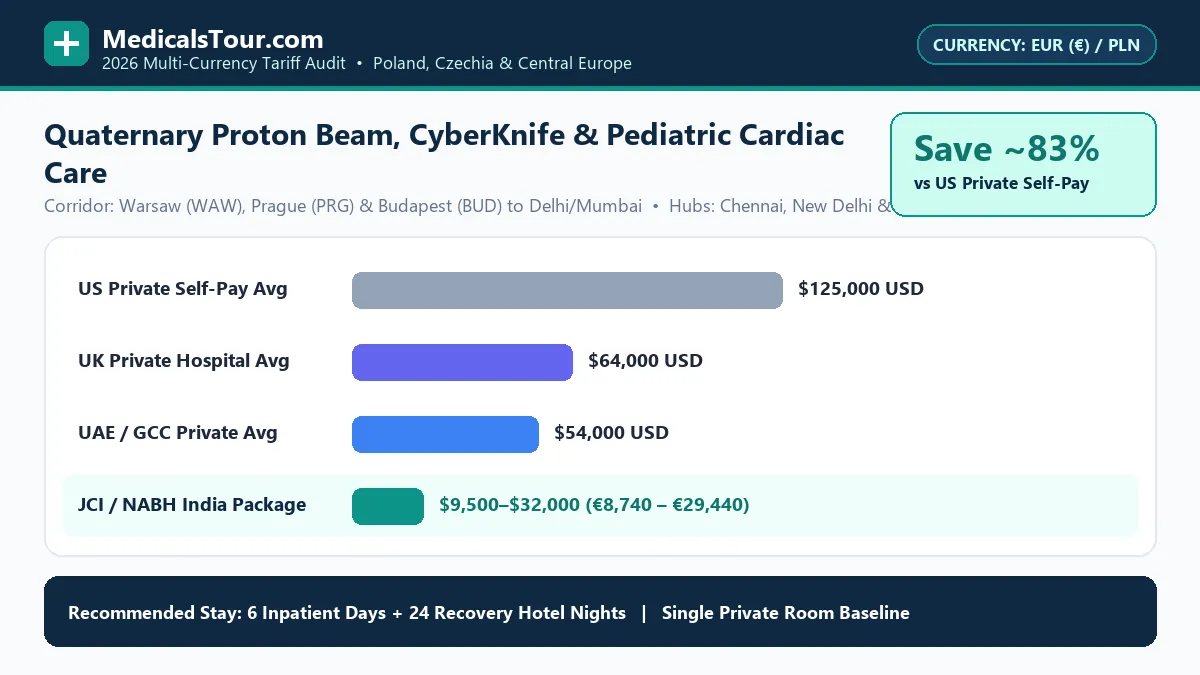
Inside Apollo Proton Cancer Centre Chennai and Indraprastha Apollo Delhi
Two JCI Gold Seal flagship campuses within the Apollo Hospitals Group anchor Central European quaternary referrals—offering direct internal coordination when a patient combines surgical tumour debulking in New Delhi or Chennai with post-operative proton beam consolidation.
Located in Taramani along Chennai’s modern IT corridor just 14 kilometers (25 to 35 minutes) from Chennai International Airport (MAA), Apollo Proton Cancer Centre (APCC) in Chennai was commissioned as South Asia and the Middle East’s first JCI-accredited standalone proton therapy hospital. Equipped with a multi-room IBA Proteus®PLUS cyclotron—the exact Belgian-engineered proton accelerator architecture installed at leading American and Western European academic proton centres—APCC features 360-degree rotating isocentric gantries, 6-degree-of-freedom robotic couches, dedicated surface-guided radiation therapy (AlignRT optical tracking), pediatric neuro-anesthesia induction bays for sedated children, and site-specific molecular tumour boards. Bright pediatric play zones, on-site speech and swallowing rehabilitation specialists for head-and-neck patients, and audiometry/ophthalmology baseline clinics sit inside the same glass-atrium campus; compare radiation and surgical oncology line items in our PET-CT, Oncology Surgery & Radiation Cost Guide.
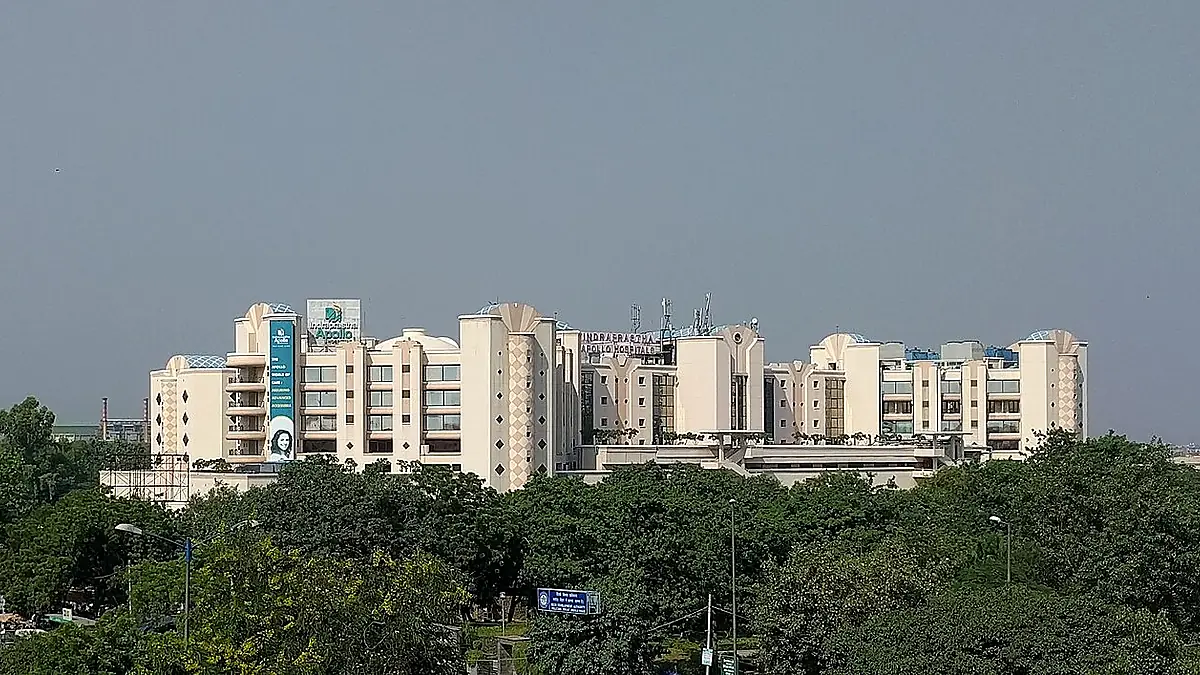
In Southeast New Delhi, 24 kilometers from IGI Terminal 3 where LOT flight LO71 touches down nonstop from Warsaw, Indraprastha Apollo Hospital in Sarita Vihar operates 710+ beds across a 15-acre green campus housing high-volume pediatric cardiothoracic surgery, dedicated neonatal/pediatric cardiac ICUs with ECMO life-support capability, CyberKnife/Novalis radiosurgery, intraoperative MRI/neuronavigation craniotomy, and one of the world’s largest living-donor pediatric and adult liver transplant programmes; inspect adult and congenital cardiac benchmarks in our Heart Bypass & Cardiac Surgery Cost Guide. Russian-, Polish-, and Central European-liaison interpreters can be arranged with advance notice alongside fluent English clinical teams. Parents staying beside a child in Sarita Vihar or Taramani also benefit from 24-hour family lounges, nearby Jasola and OMR serviced residences, NABL rapid blood-transfusion banks screening every unit by nucleic-acid testing (NAT), and dedicated psycho-oncology and pediatric nutrition counsellors who track caloric intake week by week throughout intensive therapy.
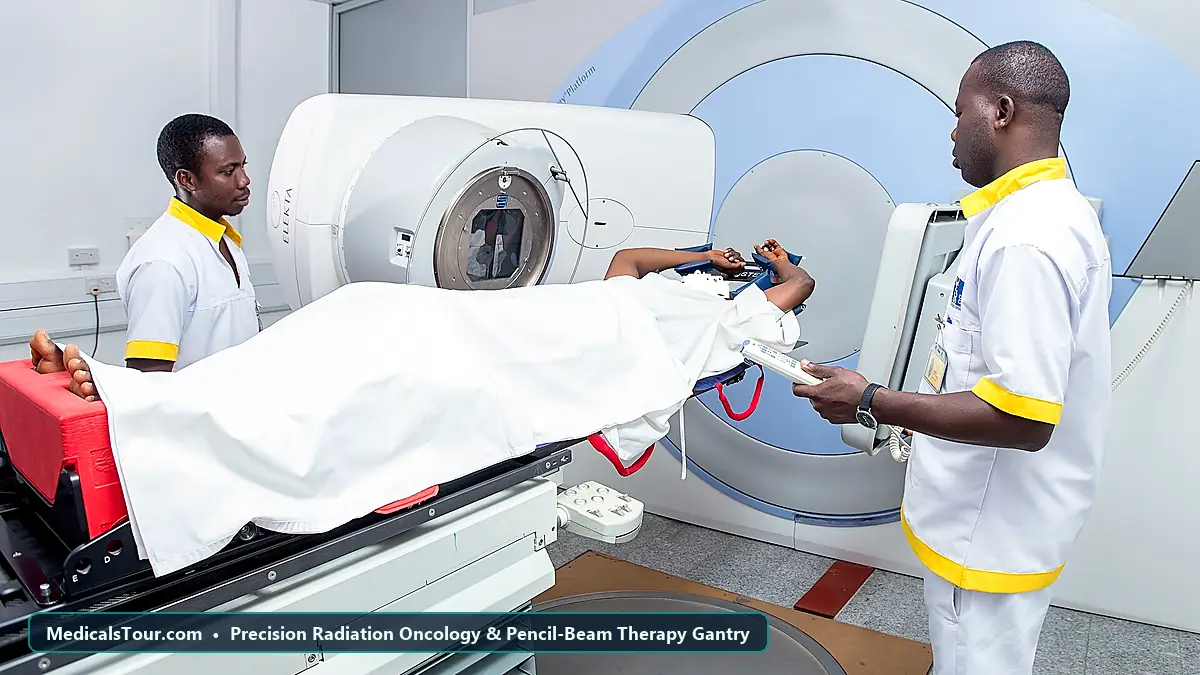
Bragg-Peak Physics, Pediatric Anesthesia and Medical Foundation Billing
Unlike conventional photon radiotherapy (IMRT / VMAT) that deposits exit radiation dose into healthy brain tissue, optic chiasm, cochlea, salivary glands, myocardium, or growing pediatric vertebral bone behind the tumour, pencil-beam scanning proton therapy exploits the physical Bragg Peak: positively charged protons decelerate and release their maximum cell-killing energy at the exact programmed tumour depth before stopping abruptly with virtually zero exit dose. In children and young adults with posterior-fossa brain tumours, craniopharyngioma, Ewing sarcoma, or rhabdomyosarcoma, sparing healthy developing cortex and endocrine structures dramatically reduces lifelong IQ loss, hearing impairment, growth-hormone deficiency, and radiation-induced secondary malignancies.
How Polish & Czech Medical Crowdfunding Foundations Pay Indian Hospitals
In Poland, Czechia, Slovakia, and Hungary, many families funding €25,000+ pediatric proton or congenital heart treatments partner with audited public-benefit foundations (OPP — Organizacje Pożytku Publicznego such as Fundacja Siepomaga, Fundacja Kawałek Nieba, Fundacja Avalon, Zrzutka.pl verified medical campaigns, Donio, or Konto Bariéry). Based on Medical Tour’s cross-border billing experience, Apollo’s International Finance Desk supports foundation compliance rules directly:
- Official Stamped Cost Estimate (Kosztorys Leczenia / Proforma Invoice): Issued on hospital letterhead with patient full name, date of birth, passport number, ICD-10 diagnosis, fraction count, validity window, and corporate bank SWIFT coordinates so the charity’s medical verification board can confirm legitimacy and open public fundraising within 48 hours.
- Direct Foundation-to-Hospital Escrow Wire: Charitable foundations legally remit USD or EUR tranches directly to Apollo’s institutional bank account via SWIFT MT103—never via private personal accounts—and receive stamped final itemized zero-balance invoices plus audited refund reconciliation back to the foundation’s originating bank account if any contingency deposit remains unused at discharge.
- Interim Treatment Progress Letters: For multi-stage pediatric cardiac repairs or combined chemo-proton protocols, the treating consultant provides signed English clinical milestone confirmations whenever a foundation board requires mid-course documentation to release a second payment tranche.
Families funding part of the treatment privately alongside a Polish 1.5% PIT tax-deductible sub-account (subkonto 1,5% podatku w fundacji OPP) should request separate itemized billing lines for inpatient hospital diagnostics, proton beam delivery, and daily pediatric anesthesia so foundation accountants in Warsaw, Poznan, Wroclaw, or Prague reconcile every EUR or USD tranche against statutory charity-law audit rules within days of returning home.
LOT Polish Airlines Nonstop from Warsaw (LO71 & LO75) Plus Prague & Budapest Links
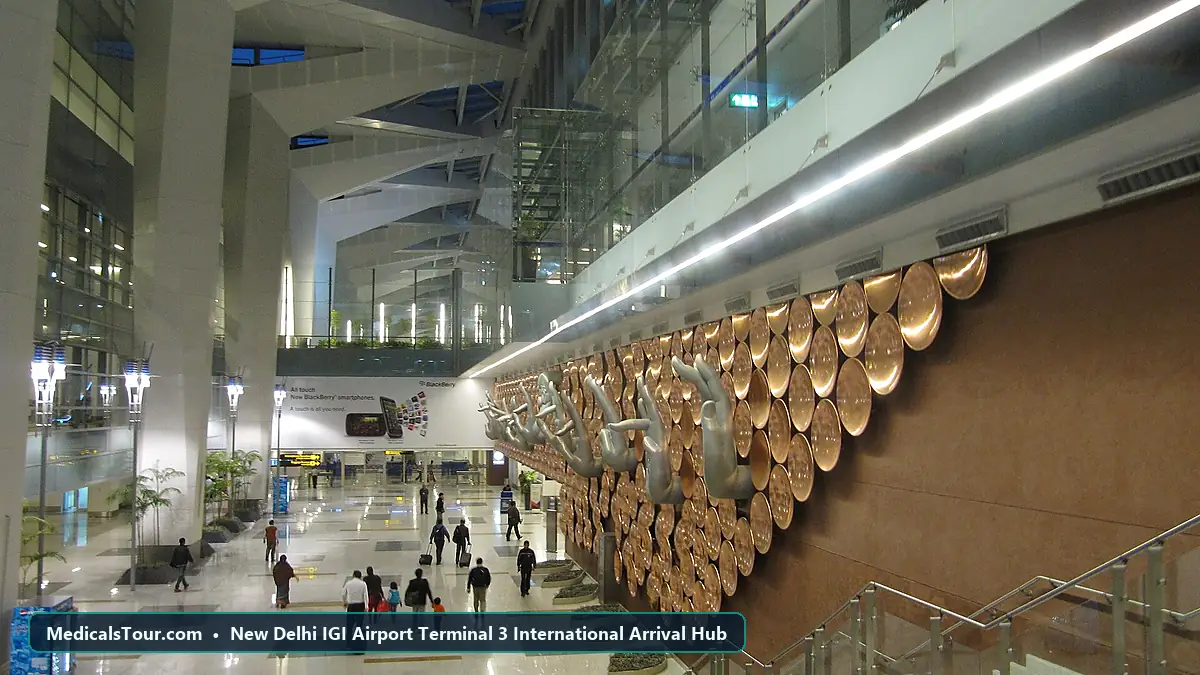
Warsaw Chopin Airport (WAW) serves as Central and Eastern Europe’s premier direct bridge to India. LOT Polish Airlines operates nonstop Boeing 787-8 and 787-9 Dreamliner service into both New Delhi (LO71) and Mumbai (LO75) in roughly eight hours eastbound—allowing patients from Prague (PRG), Budapest (BUD), Krakow (KRK), Wroclaw (WRO), Gdansk (GDN), Poznan (POZ), Katowice (KTW), Kosice, Vilnius, and Bucharest (OTP) to make a single 50-to-75-minute short-haul hop into Warsaw before flying straight to India.
| Central European Origin | Routing & Flight Codes | Eastbound Time | Clinical Hub Connection |
|---|---|---|---|
| Warsaw Chopin (WAW) → Delhi (DEL T3) | LOT Polish Airlines LO71 (Nonstop 787) | ~7h 45m – 8h 05m | Direct 35-min hospital car pickup to Indraprastha Apollo New Delhi. |
| Warsaw Chopin (WAW) → Mumbai (BOM T2) | LOT Polish Airlines LO75 (Nonstop 787) | ~8h 05m – 8h 20m | Easy domestic widebody connection to Chennai or western oncology centres. |
| Prague (PRG) / Budapest (BUD) / Bucharest (OTP) → Chennai (MAA) | Emirates via DXB or Qatar Airways via DOH (1-stop) | ~11h 45m – 13h 15m | Lands directly at Chennai (MAA) 25 min from Apollo Proton Cancer Centre! |
| Vienna (VIE) → Delhi (DEL T3) | Air India AI2030 (Nonstop) | ~7h 20m | 45-min road transfer from Bratislava (BTS) or rail from Brno/Győr! |
Notice two smart routing options for Central European families: first, patients living in Bratislava, western Slovakia, southern Moravia (Brno), or western Hungary (Győr) sit less than 60–90 minutes by car or rail from Vienna Airport (VIE), giving direct access to nonstop Air India Dreamliner flights. Second, proton families heading to Chennai with a young child or wheelchair often prefer a single Gulf widebody transfer (Qatar Airways or Emirates from Warsaw, Prague, Budapest, or Bucharest straight into MAA) so checked suitcases and WCHR mobility support travel curb-to-curb without changing terminals in Delhi. Infants with cyanotic congenital heart defects requiring supplemental in-flight medical oxygen (2 liters/minute continuous flow) must submit an airline MEDIF form signed by their pediatric cardiologist at least 72 hours before LOT, Emirates, or Qatar departure so aviation-approved oxygen cylinders or FAA-cleared portable oxygen concentrators are pre-loaded at your seat.
6-Week Proton Stay Logistics, Form-C Rules and FRRO Registration in Chennai
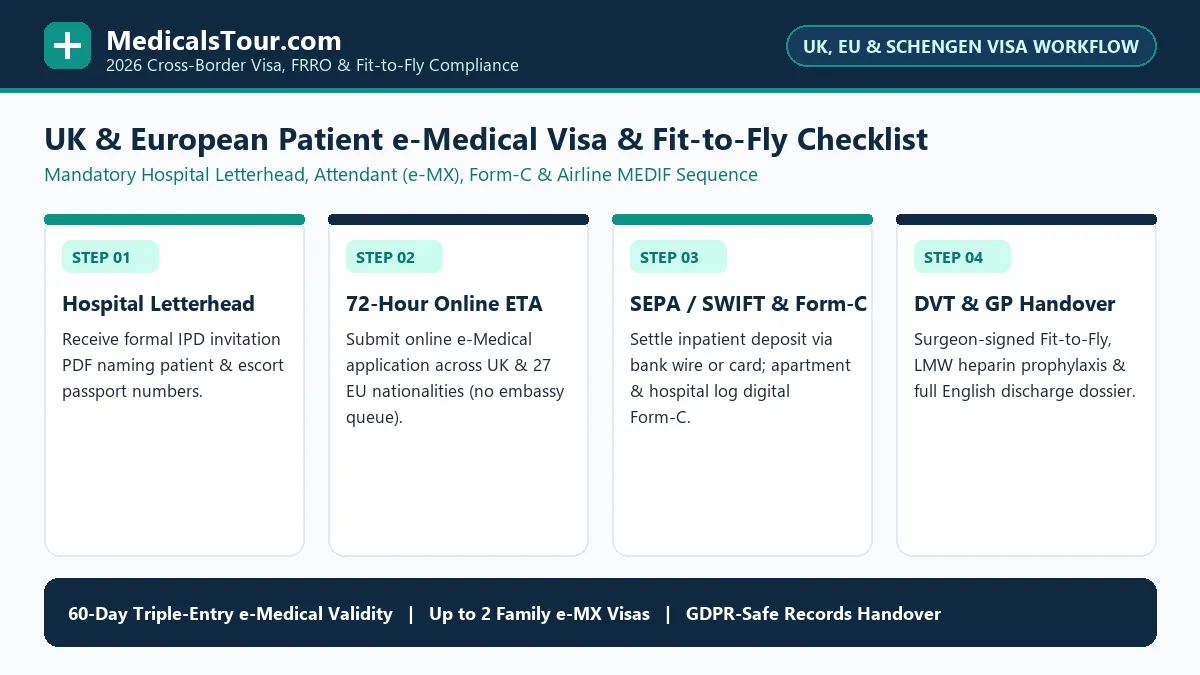
Planning a five-to-seven-week outpatient proton beam schedule in Chennai differs substantially from a ten-day joint replacement trip. Once you land at Chennai Airport (MAA) on your 60-day triple-entry e-Medical Visa (available online to Polish, Czech, Slovak, Hungarian, Romanian, and Baltic passport holders, with both parents eligible for e-Medical Attendant Visas when accompanying a child), Week 1 covers custom thermoplastic immobilization mask or vacuum-cushion moulding, 4D respiratory-gated simulation CT + 3T MRI image fusion, organ-at-risk contouring, and patient-specific Monte Carlo physics quality assurance (QA) taking 5 to 7 business days before Fraction 1 begins.
Keep three practical multi-week stay safeguards in place along Chennai’s Taramani, Perungudi, and Adyar residential belt:
- Mandatory Form-C & 60-Day Visa Horizon: Because 30–33 weekday fractions plus 7 simulation days span roughly 7.5 to 8.5 calendar weeks (52–59 days), either book a licensed serviced apartment hotel (such as Citadines OMR, Somerset Greenways Adyar, Turyaa Chennai, or Holiday Inn Chennai OMR IT Expressway—10 to 15 minutes from APCC) that files digital Form-C automatically within 24 hours of check-in, or apply beforehand for a regular 6-month Embassy Medical Visa if concurrent chemotherapy + proton cycles will exceed 58 days. Should a medical pause require extending beyond 60 days while already in Chennai, Apollo’s International Desk files your online e-FRRO medical extension letter directly; read step-by-step rules in our FRRO Medical Visa Extension & Registration Guide.
- Home-Cooked Pediatric Kitchen Hygiene: Having an induction kitchenette and washing machine inside a serviced apartment lets Polish, Czech, or Hungarian parents cook familiar mild meals (rosół chicken noodle soup, steamed rice, mashed potatoes, oatmeal porridge, soft-boiled eggs, and baked apples) using sealed bottled mineral water while an immunocompromised or neutropenic child completes weekday morning beam sessions without restaurant exposure.
- Predictable Daily Routine & Schooling: Daily proton gantry appointments typically take 25 to 35 minutes at a fixed morning slot, leaving afternoons free in air-conditioned comfort for online Polish or Czech remote schooling, gentle physiotherapy, and weekly radiation-oncologist blood counts.
PKO BP, mBank, ČSOB & OTP SWIFT Transfers Plus Oncology Handover Files
When remitting funds privately from Central European retail accounts—PKO Bank Polski, Bank Pekao, mBank, or ING Bank Śląski in Poland; Česká spořitelna, ČSOB, or Komerční banka in Czechia; Tatra banka in Slovakia; or OTP Bank in Hungary—never wire raw PLN, CZK, or HUF directly to India, or your home bank will apply a steep 2.5%–3.8% double currency conversion spread. Instead, exchange into USD or EUR first inside a bank multi-currency FX platform (kantor walutowy), Wise, or Revolut account, and initiate your international SWIFT MT103 wire with OUR fee instructions 4 to 5 business days before simulation CT or surgical admission. Remember to strip Polish and Czech diacritics (ą, ć, ę, ł, ń, ó, ś, ź, ż, č, ř, š, ž) to plain ASCII letters in SWIFT Field 50/70 payment references and on the Indian e-Visa portal so compliance filters clear transfers without manual holds; complete wire templates appear in our Hospital Forex, SWIFT Wire & Billing Guide.
Complete Clinical Handover for National Oncology Institutes Back Home
Before boarding your return flight—carrying your signed Fit-to-Fly Medical Certificate, central-line/port-a-cath flushing log, and written dexamethasone cerebral-edema taper schedule if cranial or skull-base radiation was delivered—Apollo’s medical physics and surgical teams compile a comprehensive digital and printed handover dossier formatted for immediate clinical review at NIO-PIB (Maria Skłodowska-Curie National Research Institute of Oncology in Warsaw, Gliwice, or Krakow), University Hospital Motol in Prague, NOÚ Bratislava, or Országos Onkológiai Intézet in Budapest:
- Full DICOM-RT Physics Archive: Encrypted cloud and USB export containing planning CT/MRI sets, contoured target structures (RT-Struct), 3D isodose distributions (RT-Dose), and cumulative Dose-Volume Histograms (DVH) expressed in Cobalt Gray Equivalents (GyRBE) so European radiation oncologists know exact organ-at-risk tolerances permanently.
- Operative, Perfusion & Molecular Pathology Summaries: Complete English TNM staging, pediatric cardiac echocardiography gradients, discharge blood counts, and Month-3 / Month-6 contrast MRI surveillance schedules. Explore neighbouring European guides on our International Medical Corridors Hub.