Every November through March across Edison, Fremont, Naperville, Frisco, and Alpharetta, hundreds of thousands of Non-Resident Indians (NRIs) and Overseas Citizens of India (OCI) pack suitcases for annual family trips to Mumbai, New Delhi, Chennai, Bengaluru, or Ahmedabad. Increasingly, Indian-American households pair those two-to-three-week homecomings with high-value clinical care that would drain five figures or trigger four-month specialist delays back in the United States: comprehensive 640-slice Coronary CT and 3T MRI preventive longevity checkups, full-mouth ceramic dental restorations, elective robotic joint or hernia surgery, or hands-on hospital coordination for 75-year-old parents living in India.
Unlike first-time foreign medical travelers, NRI and OCI families enjoy housing anchors, bilingual fluency, and NRE/NRO Rupee banking—yet they routinely stumble over three administrative traps that nobody mentions at community gatherings. First, mixed-status families accidentally fly a non-OCI US-citizen spouse or teen into India on an e-Tourist Visa for planned inpatient surgery, triggering FRRO admission blocks. Second, patients remain unsure why hospital International Desks quote USD tariffs 20% above domestic Rupee rate cards. Third, adult children managing parents’ surgeries from California or New Jersey get blindsided by Indian senior-citizen health insurance room-rent sub-limits.
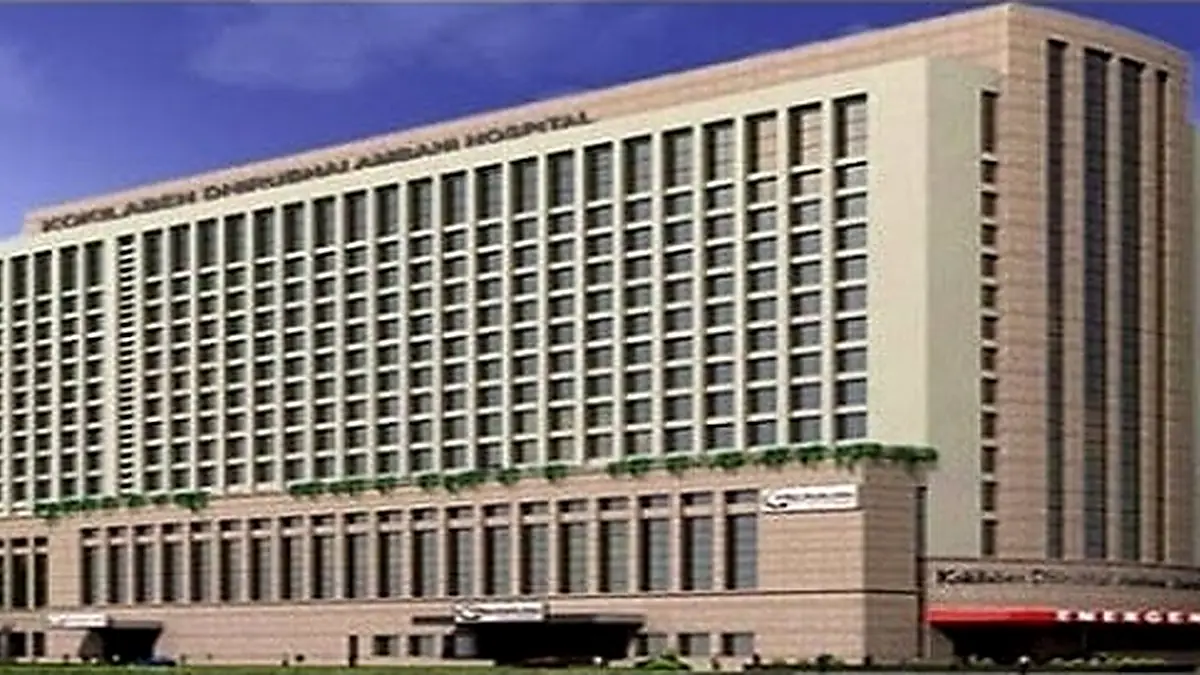
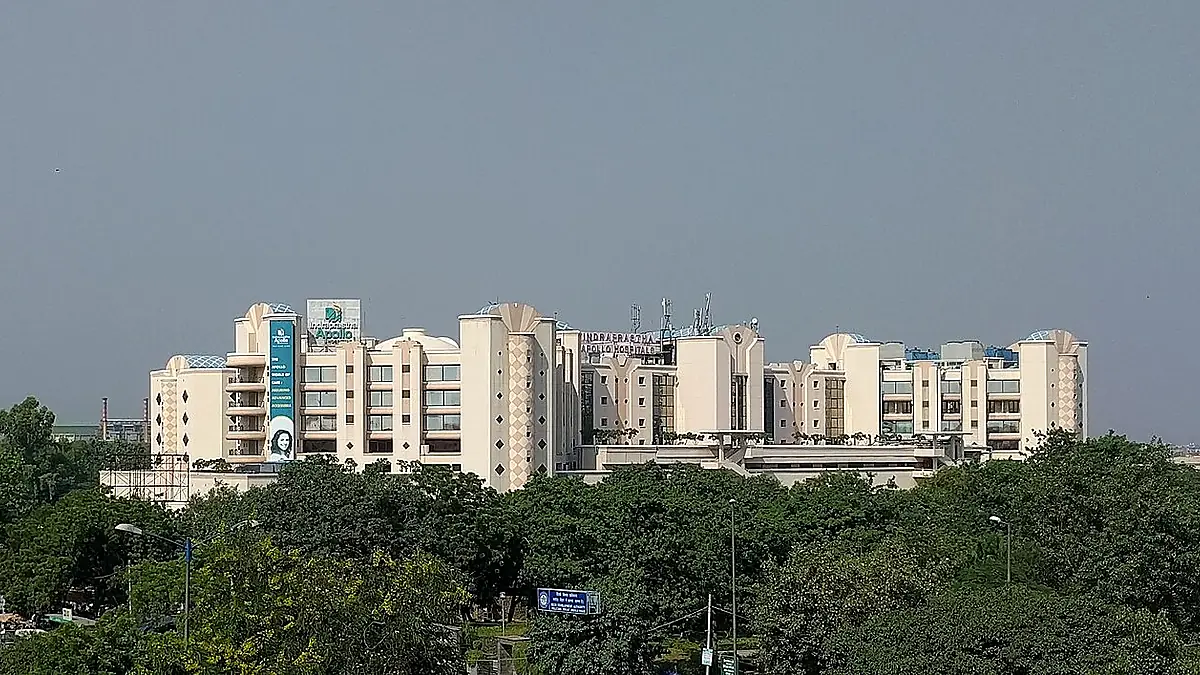
Whether booking care at Kokilaben Dhirubhai Ambani Hospital in Mumbai or Indraprastha Apollo Hospital in New Delhi, balancing December family weddings, ancestral home visits in Pune or Vadodara, and jet-lagged kids against hospital diagnostic slots requires crisp pre-landing coordination so medical appointments never swallow your entire annual PTO. Booking morning radiology, dental scanning, or surgical pre-anesthesia slots two weeks before boarding at Newark or San Francisco lets you walk straight into diagnostics on Day 2 while jet lag naturally wakes you at 5:30 AM IST. Mastering OCI admission rules, room-rent sub-limits, and dual-currency Rupee billing saves thousands of dollars and days of bureaucratic friction.
MHA Visa Rules for Mixed-Passport Indian-American Families: OCI vs e-Medical Visa
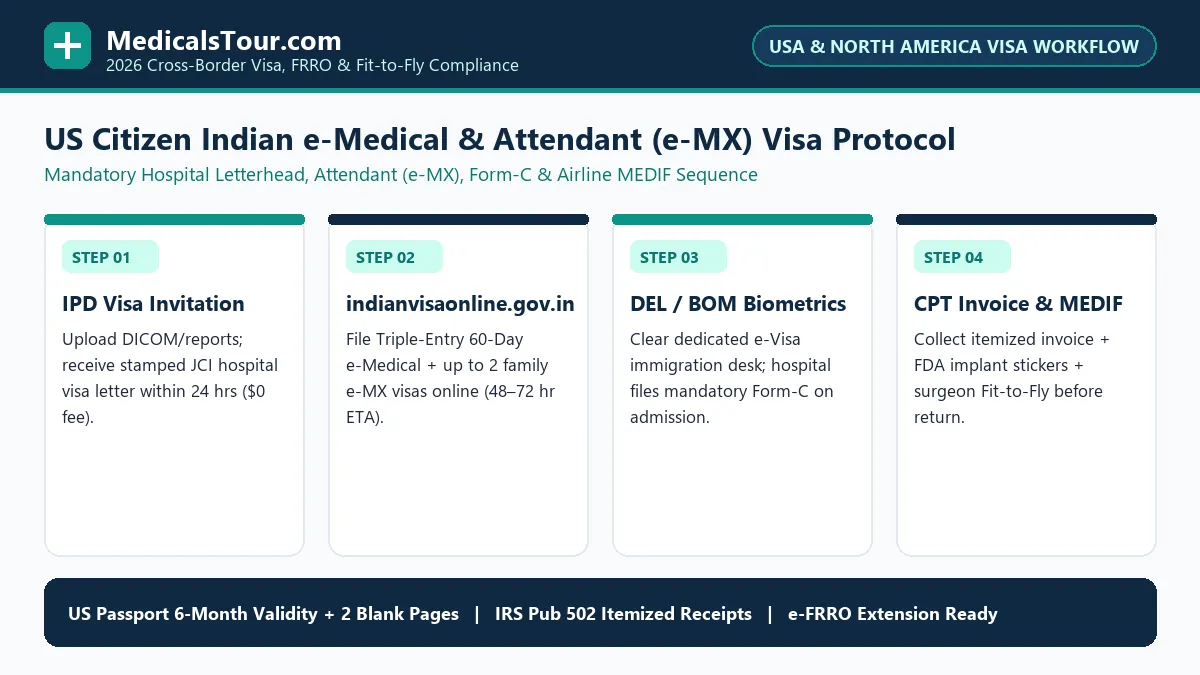
Inside Indian corporate hospitals, every inpatient admission involving a non-Indian passport holder must pass automated Bureau of Immigration Form-C / hospital FRRO compliance verification before an operating room slot is released. Confusion around Ministry of Home Affairs (MHA) rules creates avoidable panic when an Indian-American family holds two different document types under the same roof:
| Traveler Document Status | Permitted for Planned Inpatient Surgery? | Mandatory Hospital Admission Compliance Rule |
|---|---|---|
| NRI Holding Valid Indian Passport (US Green Card / H-1B) | Yes — Unrestricted | Admitted as domestic Indian citizen; present Indian passport, Aadhaar/PAN if held, and local family address. |
| US Citizen Holding Valid Physical OCI Card Booklet | Yes — No Separate Medical Visa Needed | MHA guidelines explicitly exempt OCI cardholders from needing a Medical Visa for inpatient treatment; carry both US passport & physical OCI booklet (confirm post-age-20 renewal rules!). |
| US Citizen Spouse / Child on e-Tourist or 10-Year Paper Tourist Visa | NO — Strictly Barred for Planned Inpatient Surgery | Minor outpatient checkups or unexpected acute ER care are allowed, but planned inpatient surgery requires converting or entering on an India e-Medical Visa. |
Verify OCI passport-update rules three weeks before flying: under simplified post-2021 MHA notifications, an OCI cardholder must obtain a re-issued OCI card or complete mandatory online Gratis OCI Miscellaneous registration once after turning age 20 upon receiving a new US passport. Travelers turning age 50 no longer need a new physical OCI booklet printed, though uploading your renewed US passport scan and fresh photograph online keeps airline Advance Passenger Information (API) manifests synchronized—and carrying your expired US passport bearing the old number printed inside your OCI booklet prevents check-in desk delays at EWR, JFK, ORD, or SFO. If your non-OCI American spouse is flying solely to support you at the bedside rather than receiving surgery themselves, remember they apply for an e-Medical Attendant Visa referencing your hospital admission letter.
Domestic INR Rate Cards vs International Patient USD Tariffs: How Hospital Billing Works
Walk into a flagship hospital in Mumbai or Delhi as a US-based OCI cardholder and you may notice two parallel registration counters: main domestic IPD admissions quoting packages in Indian Rupees (₹), and the plush International Patient Lounge quoting packages in US Dollars ($) at a 15% to 25% premium. Why does that spread exist, and which track applies to you?
Audits conducted by Medical Tour’s hospital finance researchers show that corporate hospital groups classify billing tracks based on passport nationality, payment currency source, and concierge utilization:
- NRI Indian Passport Holders Paying via NRO/NRE Account, Indian Debit Card, or UPI: Routinely billed on the standard Domestic INR Tariff across virtually all private hospitals—capturing local Rupee pricing ($1,100 executive checkups for ₹90,000, or robotic unilateral knee replacement around ₹3.6–₹4.4 lakh).
- US Passport + OCI Cardholders: Policies vary by hospital chain! Several Mumbai and South India flagships permit OCI cardholders presenting a local Indian residential address and paying in INR from an NRO/NRE bank account (never foreign currency wire) to register under Domestic/OCI Rupee tariffs, whereas other NCR corporate hospitals route all foreign passport numbers—including OCI—through the International Patient Desk. Ask upfront in writing before registration!
- Watch Room-Category Multipliers Even on Domestic INR Rate Cards: Even when billed in Rupees, upgrading from a Standard Single Private Room to a Deluxe Suite automatically multiplies surgeon fees, anesthesia charges, and OT theatre tariffs by 1.4x to 2.0x. Also remember Section 269ST of India’s Income Tax Act strictly prohibits hospitals from accepting ₹2,00,000 or more in physical cash—always settle via bank transfer, UPI, or card, presenting your PAN card or signing Form 60 if non-PAN.
- When Paying the 15%–20% International Desk Premium Actually Makes Sense: Even for OCI holders, registering through the International Lounge bundles complimentary T2/T3 airport transfers, zero-queue express diagnostic escorts (finishing a full-body MRI + Coronary CT in 5 hours instead of two crowded days), dedicated relationship managers, and CPT/ICD-10 USD itemized invoices if you plan to reimburse yourself from a US Health Savings Account (HSA).
2026 High-Demand NRI & OCI Clinical Packages: Longevity Scans, Dental & Elective Surgery
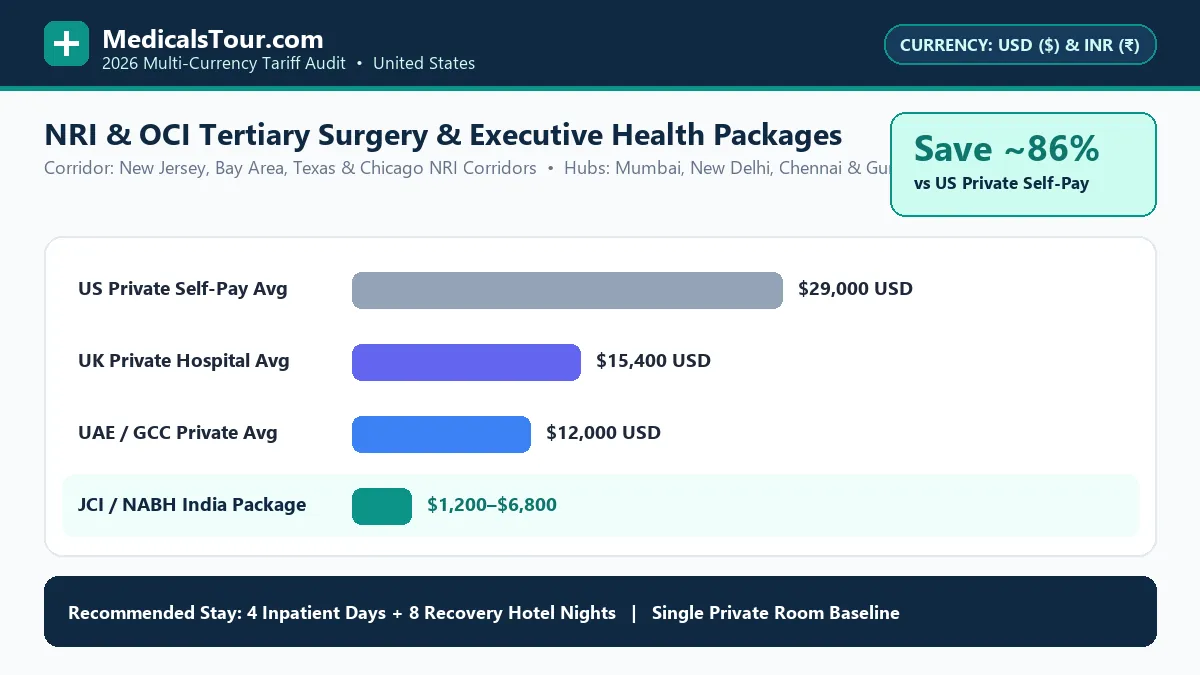
Because NRIs visiting family rarely pay for two weeks of five-star hotels, out-of-pocket medical math tilts overwhelmingly in India’s favor—even for mid-cost outpatient diagnostics and dental rehabilitation that US PPO plans cover poorly. Compare typical NRI trip additions against our full India Treatment Cost Guides:
| Popular NRI / OCI Procedure | US Out-of-Pocket / Cash Cost | India Accredited Hospital Cost | Time Needed Out of Family Vacation |
|---|---|---|---|
| Executive Longevity Checkup (640-Slice Coronary CT + Whole-Body 3T MRI + Echo + 75 Labs) | $5,800 – $9,500 | $650 – $1,450 (₹55k – ₹1.2L) | 1 Half-Day Morning (7:30 AM – 1:30 PM fasted). |
| CAD/CAM Zirconia Crowns / Porcelain Veneers (8–12 Units) | $14,000 – $24,000 | $2,200 – $3,900 | 3 Clinic Appointments across 6–7 Days. |
| Femtosecond Laser Cataract + Multifocal Trifocal Toric IOL (Per Eye) | $4,800 – $7,200 self-pay upgrade | $1,150 – $1,750 (Alcon PanOptix / Zeiss) | Day-Care Outpatient (Eyes spaced 3–5 days apart). |
| Robotic Inguinal / Umbilical Hernia or Gallbladder Surgery | $16,000 – $29,000 | $2,600 – $4,100 | 1–2 Inpatient Nights + 6 Family-Home Rest Days. |
| Stryker Mako Robotic Knee or Ceramic Hip Replacement | $42,000 – $54,000 | $4,500 – $6,400 | 4–5 Inpatient Nights + 9–10 Home Convalescence Days. |
Note an important preventive insight for South Asian Americans: South Asians carry a 3-to-4-fold higher genetic prevalence of elevated Lipoprotein(a) [Lp(a)], insulin resistance (elevated fasting insulin/HOMA-IR and visceral MASLD fatty liver even at BMI 23!), and premature non-calcified soft coronary plaque despite normal LDL cholesterol. Requesting a 640-slice CT Coronary Angiogram (not merely a plain calcium score) alongside Lp(a), ApoB, hs-CRP, and liver FibroScan elastography at Kokilaben Hospital Mumbai or Indraprastha Apollo Delhi on Day 2 of your trip catches silent LAD narrowing decades early—while scheduling dental digital scans on arrival morning lets lab ceramists mill crowns while you visit relatives upcountry. Travelers planning smile restorations can review our Zirconia Crowns & Veneers Cost Guide.
Nonstop US-to-India Air Corridors (EWR, JFK, SFO, ORD, IAD) & Wheelchair Assist Tips
Whether you are flying home yourself for surgery or escorting frail 78-year-old parents back and forth between Mumbai/Delhi and New Jersey or California, route selection dramatically reduces transit exhaustion:
- East Coast & Midwest Nonstops: Air India’s refurbished A350-900 and B777-300ER fleet operates daily nonstop corridors on JFK–DEL (AI 102), JFK–BOM (AI 116), EWR–DEL (AI 106), ORD–DEL (AI 126), and IAD–DEL (AI 104)—cutting total travel to 14–15 hours and avoiding winter snow delays or 1.2-kilometer terminal changes at London Heathrow or Frankfurt where elderly parents struggle with security re-screening.
- West Coast Bay Area Nonstops & One-Stop Alternatives: From San Francisco, AI 174 (SFO–DEL) and AI 180 (SFO–BOM) offer single-plane convenience, while families flying into Chennai (MAA), Hyderabad (HYD), Bengaluru (BLR), Kochi (COK), or Ahmedabad (AMD) often prefer Qatar Airways via Doha (DOH) or Emirates via Dubai (DXB) so parents clear Indian customs at their final home-city airport rather than hauling 46 kg of checked bags onto a domestic DEL transfer bus.
- Avoid the Separate-PNR Domestic Baggage Trap: Transoceanic US–India tickets include two 23 kg (50 lb) suitcases per traveler, whereas standalone domestic IndiGo or Akasa tickets cap free check-in luggage at 15 kg—triggering steep excess-kilo charges at 3:00 AM after landing unless booked on a single through-ticketed international PNR!
- Book Airport Pranaam / Meet-and-Assist Services ($35–$55) & Exact IATA Wheelchair Codes: Specify
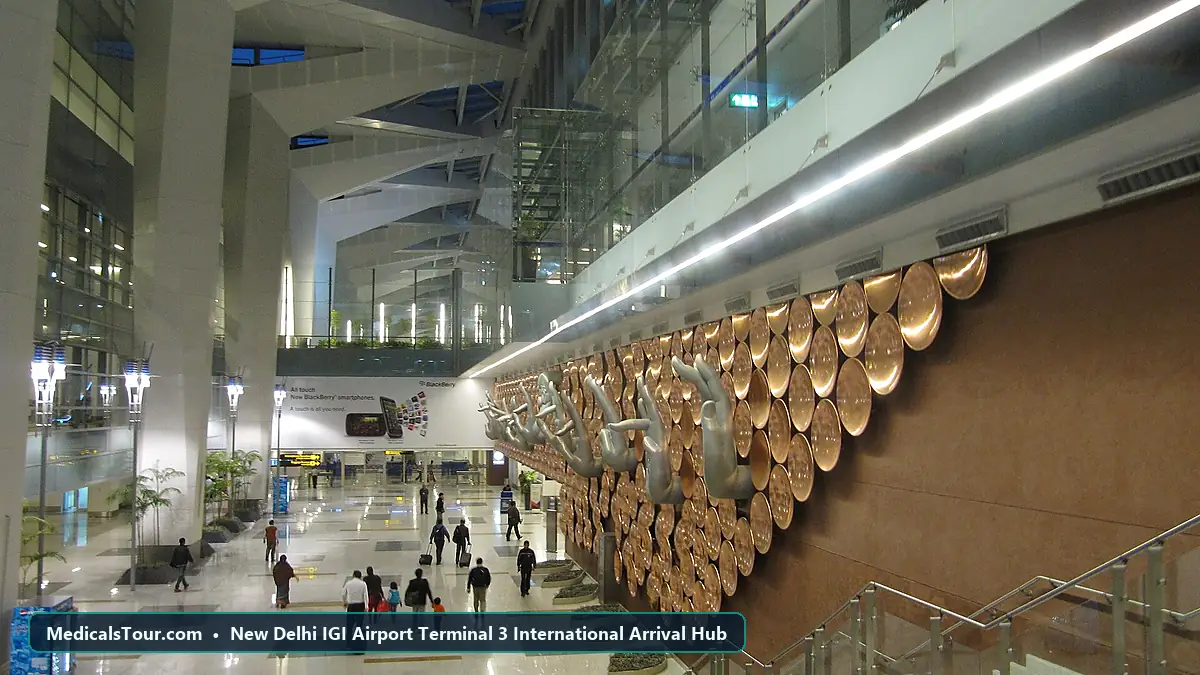
WCHR(walks stairs/cabin, needs terminal wheelchair) orWCHC(arthritic elders needing narrow boarding-aisle chair) plus low-sodium Asian Vegetarian (AVML) meals 48 hours pre-flight. At both Mumbai T2 (Pranaam Guest Services) and Delhi T3 (Encalm Atithya), paid meet-and-assist coordinators greet solo parents right at the aerobridge, fast-track immigration, retrieve bags, and walk them straight to your waiting family car. Also remember India’s new digital arrival convenience: OCI cardholders who pre-enroll biometrics in India’s Fast Track Immigration – Trusted Traveller Programme (FTI-TTP) now breeze through automated e-gates at DEL, BOM, MAA, BLR, HYD, COK, and AMD in 60 seconds without standing in post-midnight arrival queues!
Coordinating Major Surgery in India for Aging Parents While Living in the US
Half of the inquiries reaching Medical Tour’s NRI advisory desk come from sons and daughters in Seattle, Austin, or Edison whose resident Indian parents in Pune, Vadodara, Noida, or Mylapore suddenly need TAVR valve replacement, cancer resection, or bilateral knee surgery. Managing Indian hospital admissions across a 9.5-to-12.5-hour time difference works smoothly when you sidestep four classic domestic traps:
- Beware Indian Senior-Citizen Health Insurance “Room Rent Proportionate Deduction” Clauses: Many domestic Indian retail policies (Star Health, Niva Bupa, HDFC ERGO, New India Assurance) held by 70-year-old parents cap daily room rent at ₹5,000 or 1% of sum insured. If you upgrade Mom into a ₹14,000 Single Deluxe room for comfort, the TPA doesn’t just make you pay the ₹9,000 room difference—it slashes reimbursement on the entire surgeon, ICU, and OT bill proportionately by 64%! Check policy room-rent caps before signing the admission sheet, or pay clean self-pay package rates if insurance sum-insured is tiny (₹3–5 lakh).
- Physical Next-of-Kin Surgical Consent Rules: Under Indian medico-legal hospital bylaws, high-risk surgical and anesthesia consent forms require a wet-ink signature from the mentally competent patient AND a physically present adult attendant on surgery morning—a Zoom call from New Jersey alone cannot substitute if your parent is sedated, so arrange for a trusted local cousin or sibling to stand bedside until your flight lands.
- Synchronize US Evening Calls With 9:00 AM IST Consultant Ward Rounds: Senior Indian surgeons conduct primary inpatient rounds between 8:30 AM and 10:30 AM IST—which corresponds conveniently to 10:00 PM–12:00 AM EST / 7:00 PM–9:00 PM PST the night before. Arrange with the resident registrar or sibling at the bedside to dial you in on speakerphone during those exact 5 minutes rather than chasing busy consultants at 6:00 PM IST when they are scrubbed into surgery.
- Verify Post-Discharge Home Nursing Ecosystems: Rather than rushing back to the US four days after your father’s hip or cardiac discharge, contract vetted Indian home-healthcare providers (Apollo HomeCare, Max@Home, Portea, or Nightingales) for 12-hour trained GNM nursing shifts, daily home physiotherapy, portable bedside ECG/vitals, and home phlebotomy draws—and inspect home fall hazards (removing loose marble-floor throw rugs, adding bathroom grab rails, and installing nightlights) before flying back to your US job.
Paying Hospital Bills Smartly: NRE vs NRO Transfers, FEMA Rules & Foreign Cards
Moving $6,000 to $25,000 between US checking accounts, NRE/NRO Rupee accounts, and hospital billing counters carries subtle foreign-exchange and tax nuances detailed in our Hospital Forex, SWIFT Wire & Billing Guide:
- Using Existing NRE or NRO Bank Balances (Fastest Zero-Spread Option): Both Non-Resident External (NRE—tax-free repatriable foreign earnings) and Non-Resident Ordinary (NRO—domestic Indian rent, dividends, or pension) accounts settle Indian hospital bills effortlessly via instant RTGS (for bills ≥₹2,00,000) or NEFT within 30 minutes on banking days, incurring zero 2.5% Visa/Mastercard FX markup and zero 20% RBI Liberalised Remittance Scheme (LRS) TCS tax since funds settle domestically in INR! Crucially, ensure your mobile-banking newly-added-payee cooling-off cap (often ₹50,000 during the first 24 hours) is lifted 48 hours before surgery or discharge day.
- Activate International-Number NRI UPI for Outpatient Scans & Pharmacies: NPCI now permits NRIs/OCIs holding NRE/NRO accounts at ICICI, HDFC, Axis, SBI, and Federal Bank to link their +1 US mobile number directly to UPI (via iMobile Pay, PhonePe, or BHIM)—letting you scan hospital QR codes instantaneously for ₹500 to ₹1,00,000 outpatient labs and medicines without carrying wads of Rupee notes.
- Direct US Bank SWIFT Wires or Wise/Remitly Transfers: Note that consumer P2P remittance apps like Remitly or Wise often restrict transfers strictly to individual personal bank accounts and reject corporate hospital current accounts—so either transfer first to your own NRE account 4 days ahead, or send a direct bank-to-bank SWIFT MT103 wire quoting the patient’s UHID.
- Preserve Paper Trail If Claiming US HSA Reimbursement: If paying for your own (or your US tax-dependent spouse/child’s) surgery in India and planning to reimburse yourself from a US Fidelity or HealthEquity HSA, pay directly from a US zero-FX credit card or direct US wire so your USD bank statement matches the hospital’s itemized invoice cleanly. Remind yourself too of IRS Form 114 (FBAR) and FATCA Form 8938 thresholds if temporarily parking more than $10,000 aggregate inside your NRE/NRO account ahead of a major family surgical admission!
Syncing Indian Diagnostic Files With Epic MyChart & US Primary Care Physicians
Returning to New Jersey or California with a thick plastic hospital folder of oversized 14×17-inch X-ray acetate sheets and metric units (mg/dL vs mmol/L, Indian brand names like Ecosprin 75 instead of aspirin 81 mg, Dolo 650 instead of acetaminophen, Rosuvas instead of Crestor/rosuvastatin, Thyronorm instead of Synthroid/levothyroxine, Glycomet instead of metformin, or Telma instead of telmisartan) confuses American nurse practitioners unless translated properly—and creates a genuine double-dosing hazard when visiting Indian parents bring unlabeled foil strips to America over summer!
Before leaving Mumbai or Delhi:
- Request Generic Pharmacological Names on Every Prescription: Ask the discharging registrar to list active INN generic chemical names and milligram strengths in parentheses next to every Indian trade brand so Epic MyChart medication reconciliation takes two minutes at your US clinic—and type a laminated wallet medication card for visiting parents in case they ever visit a US urgent care clinic (noting that standard visitor travel-medical policies exclude routine follow-ups on newly performed surgeries!).
- Follow US FDA 90-Day Personal Medication Carry Rules: When flying back to the US with Indian maintenance medications, carry no more than a 90-day personal supply sealed in original manufacturer blister cartons accompanied by a signed English physician prescription.
- Upload DICOMs & PDFs Before Boarding: Download NABL lab PDFs and radiology
.dcmarchives onto Google Drive or an encrypted USB stick while still on Indian Wi-Fi (several hospital patient portals geo-fence OTP logins to Indian +91 SMS numbers once you land back in America!). Also save your parents’ 14-digit Ayushman Bharat Health Account (ABHA) digital health ID if resident in India so longitudinal cardiology and oncology summaries stay unified across Mumbai, Delhi, and Chennai hospital visits. - Budget Multi-Generational Trips Cleanly: Whether combining your executive checkup with a parent’s joint surgery, map inpatient tariffs, local car-and-driver rentals, and flight upgrades inside our Medical Trip Total Budget Planner and compare specialty benchmarks across our Global Medical Travel Corridors.