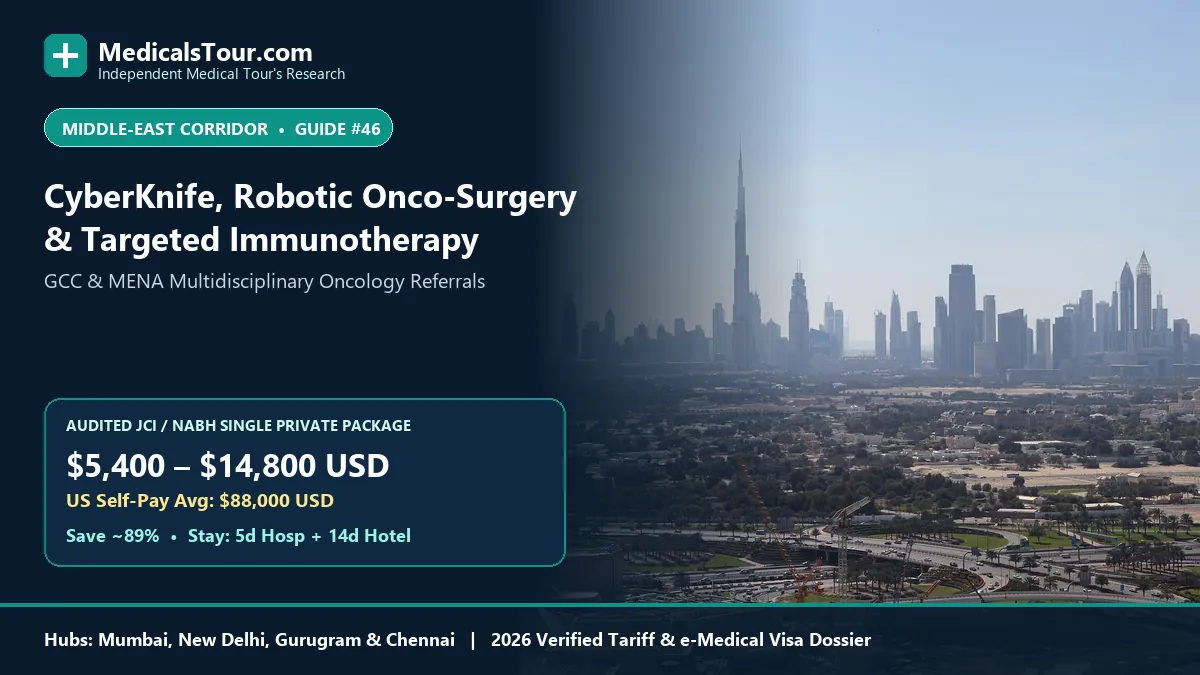
The hardest week in any cancer diagnosis across the Gulf rarely happens inside an operating theatre—it happens during the agonizing three-week limbo after an initial CT scan or core needle biopsy in Dubai, Riyadh, Muscat, Kuwait City, or Baghdad turns up malignant cells. One clinic recommends immediate chemotherapy before molecular biomarkers are back; a private hospital quotes 165,000 AED ($45,000 USD) just for robotic resection excluding ICU days; and ordering a 500-gene somatic Next-Generation Sequencing (NGS) panel shipped overseas to Europe or California adds another sixteen days of waiting while the family sits paralyzed at home.
That diagnostic and financial bottleneck explains why thousands of Middle East oncology households board three-to-four-hour flights to Mumbai and New Delhi within days of a suspicious pathology alert. At flagship JCI-accredited comprehensive cancer institutes in India, diagnostic compression condenses three weeks of fragmented outpatient testing into a single 72-hour campus sprint: whole-body digital PET-CT ($360–$480 USD), in-house FFPE pathology slide review, rapid PCR/IHC for actionable mutations (EGFR, ALK, ROS1, HER2, BRCA, MSI, PD-L1), and presentation before a live organ-specific Multidisciplinary Tumor Board (MTB) where surgical, medical, and radiation oncologists agree on sequence before a single drop of drug is infused.
Backed by Medical Tour’s 2026 oncology tariff audits across Mumbai and Delhi NCR, this guide breaks down Accuray CyberKnife S7 robotic radiosurgery, Cytoreductive Surgery with HIPEC, Da Vinci Xi organ-sparing resections, immunotherapy vial access math, and coordinated chemo maintenance back home in the Gulf. Whether you are seeking an urgent second opinion after an unexpected staging scan in Abu Dhabi or planning curative multimodal therapy from Jeddah, Doha, or Manama, every clinical step below reflects real inpatient cancer-center operations rather than generic brochure promises.
Inside the 72-Hour Multidisciplinary Tumor Board Sprint in Mumbai & New Delhi
Modern oncology is no longer a solo craft where whichever doctor sees the patient first—surgeon or chemotherapist—dictates treatment bias. In locally advanced rectal cancer, triple-negative breast carcinoma, borderline-resectable pancreatic head adenocarcinoma, or stage-IIIA non-small-cell lung cancer, operating too early without neoadjuvant chemo-immunotherapy leaves microscopic margins positive, whereas delaying surgery unnecessarily in an upfront-resectable tumor squanders the window for cure.
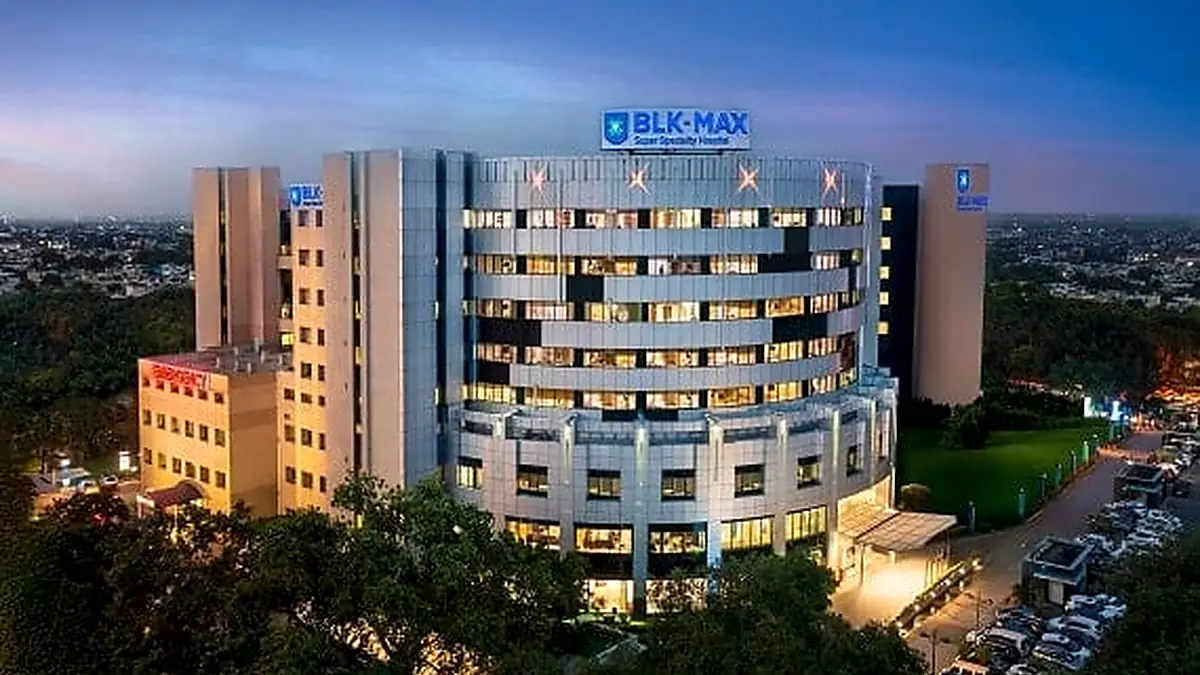
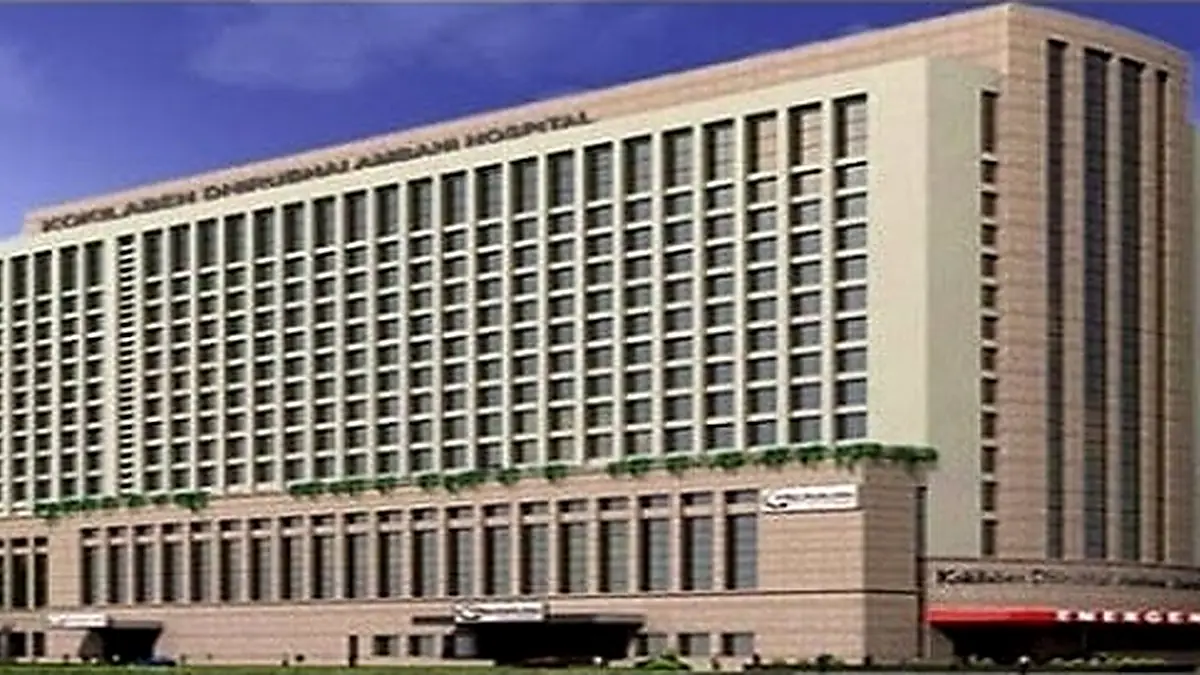
At high-volume quaternary centers such as Kokilaben Dhirubhai Ambani Hospital in Andheri West, Mumbai (operating under a full-time specialist model where consultants work exclusively in-house rather than splitting afternoons across private clinics) and BLK-Max Super Speciality Hospital on Pusa Road in New Delhi, international cancer arrivals enter an organ-specific pathway on Day 1—Thoracic, GI/Hepatobiliary, Breast, Head & Neck, Neuro-Oncology, Uro-Oncology, or Gynec-Oncology:
- Hours 0–24 (Staging & Tissue Re-Verification): High-definition FDG PET-CT (or specialized Ga-68 PSMA PET-CT for prostate cancer and Ga-68 DOTATATE PET-CT for neuroendocrine tumors) maps whole-body metabolic disease while senior onco-pathologists re-examine your Gulf paraffin wax blocks—correcting initial histological subtyping in roughly 12% to 18% of referred cases.
- Hours 24–48 (Molecular Actionability & Anesthesia Fitness): Rapid reflex testing checks PD-L1 CPS/TPS scores, mismatch-repair deficiency (dMMR/MSI-H), HER2-low status, and targeted kinase drivers while cardio-oncology clears baseline left-ventricular ejection fraction.
- Hours 48–72 (Joint Tumor Board Sign-Off & Written Roadmap): Surgical oncologist, radiation physicist, medical oncologist, and interventional radiologist co-sign a unified staging summary and itemized USD Proforma Invoice—giving Gulf families total clarity on what happens in India versus what cycles can safely continue at home. Check accreditation benchmarks in our JCI vs NABH Hospital Accreditation Guide.
Liquid-biopsy circulating tumor DNA (ctDNA) blood assays also spare fragile elderly patients from risky repeat lung or retroperitoneal needle biopsies when archived Gulf tissue blocks turn out to be exhausted or crushed. Drawing two Streck cell-free DNA tubes in Mumbai or New Delhi identifies acquired EGFR T790M, ESR1, PIK3CA, or KRAS G12C resistance mutations inside five to seven days while preserving inpatient hospital strength.
Every Multidisciplinary Tumor Board case also incorporates baseline geriatric, nutritional, and speech-swallowing prehabilitation before aggressive therapy begins. Head-and-neck, esophageal, and gastric cancer arrivals meet dedicated clinical onco-nutritionists and percutaneous endoscopic gastrostomy (PEG) specialists on Day 2 so weight loss is halted upfront—a practical clinical detail that keeps chemotherapy dose intensity on schedule without dose-limiting hospitalizations.
CyberKnife S7 Robotic Radiosurgery: 1-to-5 Frameless Outpatient Sessions
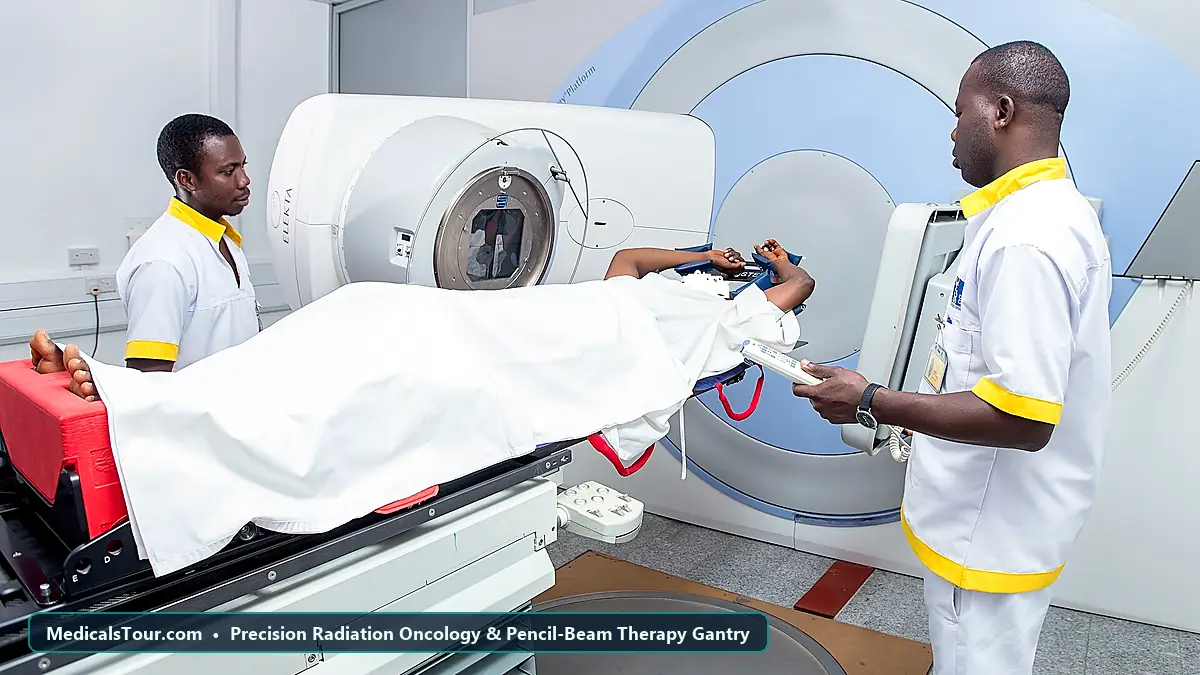
For Middle East patients diagnosed with acoustic neuroma (vestibular schwannoma), trigeminal neuralgia, arteriovenous malformations, oligometastatic brain or spinal lesions, recurrent head-and-neck tumors, early-stage inoperable lung nodules, hepatocellular carcinoma, or localized low-to-intermediate-risk prostate cancer, Accuray CyberKnife S7 / M6 stereotactic radiosurgery eliminates both open surgical incisions and seven-week conventional radiation marathons.
Unlike rigid Gamma Knife frames bolted painfully into a patient’s skull with four titanium pins—and limited strictly to intracranial targets—CyberKnife mounts a compact linear accelerator onto a six-axis industrial robotic arm capable of firing up to 1,200 non-coplanar beams from virtually any angle around the body with sub-millimeter (<0.5 mm) accuracy. Better still, its Synchrony real-time respiratory motion-tracking system locks onto tumors inside the lungs, liver, pancreas, or prostate that shift 1 to 2 centimeters with every breath or bowel movement, moving the radiation beam dynamically in sync with the patient’s breathing while sparing surrounding healthy parenchyma.
In localized prostate cancer—one of the fastest-growing self-pay referrals from Dubai, Kuwait City, Muscat, and Doha—radiation oncologists combine transperineal gold fiducial markers with injectable absorbable perirectal hydrogel spacers (SpaceOAR) that push the anterior rectal wall 10 to 13 millimeters away from high-dose prostate radiation fields, compressing 39 conventional IMRT hospital visits down to just five 35-minute CyberKnife fractions across ten calendar days with minimal urinary or bowel irritation.
From a travel-planning perspective for families flying from Dubai, Muscat, Doha, or Riyadh, CyberKnife transforms logistics: after 1 to 2 days for fiducial marker placement (when needed for soft-tissue abdominal/prostate targets) and thin-slice CT/3T MRI planning simulation, the entire ablative treatment finishes in 1 to 5 painless 35-minute outpatient sessions with zero general anesthesia, zero hospital admission nights, and return flights home inside 10 to 12 days.
Patients with solitary or oligometastatic brain metastases (one to four lesions under 3 cm) see an equally sharp functional benefit over legacy whole-brain radiotherapy: focal CyberKnife radiosurgery ablates individual intracranial metastases in a single morning session while preserving hippocampal memory circuits, cognitive sharpness, and systemic immunotherapy continuity without pausing oral targeted tablets for weeks.
2026 Oncology Tariffs in India (USD, AED & SAR): CyberKnife, Da Vinci, HIPEC & PET-CT
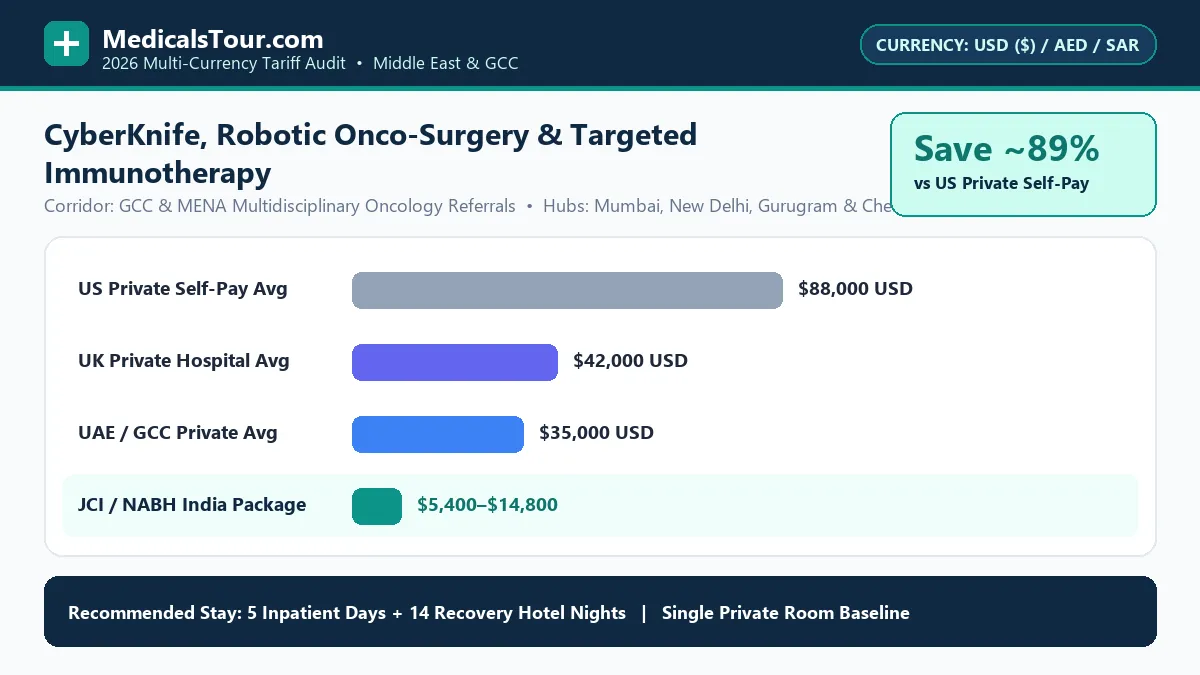
Oncology costs vary widely depending on whether treatment is purely outpatient stereotactic radiation, minimally invasive robotic organ preservation, nuclear theranostics, or marathon open multivisceral cytoreduction. Below are verified 2026 institutional benchmarks across Mumbai and New Delhi JCI cancer centers.
| Oncology Diagnostic / Treatment Modality | India JCI Tariff (USD) | Approx. Gulf Equivalent (AED / SAR) | GCC / Western Private Benchmark (USD) |
|---|---|---|---|
| Whole-Body FDG or Ga-68 PSMA / DOTATATE PET-CT | $350 – $540 | 1,285 – 1,985 AED / 1,310 – 2,025 SAR | $2,200 – $4,500 |
| Comprehensive 500-Gene NGS Panel + PD-L1 IHC | $950 – $1,650 | 3,490 – 6,060 AED / 3,560 – 6,190 SAR | $3,800 – $6,500 |
| CyberKnife S7 Stereotactic Radiosurgery (1–5 Fractions) | $5,200 – $7,900 | 19,100 – 29,010 AED / 19,500 – 29,625 SAR | $26,000 – $48,000 |
| IGRT / VMAT RapidArc Radiation (25–30 Fractions) | $3,800 – $5,600 | 13,955 – 20,565 AED / 14,250 – 21,000 SAR | $22,000 – $38,000 |
| Lutetium-177 PSMA or DOTATATE Theranostics (Per Cycle) | $3,400 – $4,800 | 12,485 – 17,630 AED / 12,750 – 18,000 SAR | $18,000 – $32,000 |
| Da Vinci Xi Robotic Onco-Surgery (Prostate/Rectal/Renal/Lung) | $6,400 – $9,600 | 23,505 – 35,260 AED / 24,000 – 36,000 SAR | $34,000 – $68,000 |
| Breast Oncoplastic Conservation + Sentinel Lymph Node Biopsy | $4,200 – $6,200 | 15,425 – 22,770 AED / 15,750 – 23,250 SAR | $21,000 – $39,000 |
| Cytoreductive Surgery (CRS) + Intraoperative HIPEC | $10,800 – $15,500 | 39,665 – 56,930 AED / 40,500 – 58,125 SAR | $58,000 – $115,000 |
Inspect detailed diagnostic, brachytherapy, and surgical line items inside our PET-CT, Radiation & Cancer Surgery Cost Guide before requesting a formal Proforma Invoice. Nuclear medicine departments in Mumbai and Delhi have also become regional leaders in Lu-177 PSMA and Actinium-225 targeted radioligand therapy for castrate-resistant metastatic prostate cancer and metastatic neuroendocrine tumors—admitting patients into lead-shielded isolation suites for just 24 to 48 hours per eight-week cycle at one-fifth of European clinic prices.
Cytoreductive Surgery + HIPEC & Da Vinci Xi Organ-Preserving Onco-Surgery
Ten years ago, patients across the Middle East diagnosed with stage-IV peritoneal carcinomatosis—surface tumor seeding across the abdominal lining originating from ovarian cancer, colorectal cancer, pseudomyxoma peritonei, or appendiceal mucinous neoplasms—were routinely placed solely on palliative intravenous chemotherapy because systemic drugs penetrate poorly across the peritoneal-plasma barrier. Today, dedicated peritoneal-surface malignancy teams at BLK-Max in New Delhi and Kokilaben Hospital in Mumbai perform Cytoreductive Surgery (CRS) combined with Hyperthermic Intraperitoneal Chemotherapy (HIPEC)—or pressurized aerosol chemotherapy (PIPAC) via keyhole laparoscopy for unresectable disease.
During an 8-to-11-hour CRS+HIPEC procedure, surgical oncologists meticulously strip every visible millimeter of macroscopic tumor plaque from peritoneal surfaces (aiming for a Completeness of Cytoreduction score of CC-0), then circulate heated sterile chemotherapy solution (cisplatin, mitomycin-C, or oxaliplatin heated precisely to 41.5°C–42.5°C for 60 to 90 minutes) directly throughout the abdominal cavity. Mild hyperthermia both damages residual microscopic cancer cells directly and multiplies drug penetration depth tenfold while minimizing systemic bone-marrow toxicity.
Similarly, in pelvic and thoracic malignancies where preserving quality of life matters profoundly to patients—such as avoiding a permanent colostomy bag via ultra-low robotic intersphincteric rectal resection, sparing erectile and urinary continence nerves during radical prostatectomy, or performing robotic partial nephrectomy that saves 75% of kidney function—fourth-generation Da Vinci Xi 3D-HD wristed instruments cut blood loss below 150 mL and get Gulf patients walking the ward corridor within 24 hours.
For Arab women undergoing breast cancer surgery, dedicated female breast oncoplastic teams pair Indocyanine Green (ICG) fluorescence sentinel lymph-node mapping (which prevents painful lifelong arm lymphedema whenever axillary nodes test negative on intraoperative frozen section) with immediate autologous DIEP-flap or latissimus dorsi reconstruction during the very same anesthetic session.
Orthopedic limb-salvage oncology represents another major referral stream from Oman, Iraq, Saudi Arabia, and Kuwait. Teenagers and young adults diagnosed with osteosarcoma or Ewing sarcoma around the distal femur or proximal tibia avoid amputation through custom modular titanium expandable endoprostheses or computer-guided extracorporeal radiation and re-implantation, backed by dedicated inpatient musculo-skeletal physiotherapy right inside the cancer wing.
Immunotherapy, Targeted Biologics & DCGI Biosimilar Pricing Transparency
For families funding systemic therapy out of pocket—because expat insurance annual oncology caps in the UAE, Kuwait, or Oman topped out at 150,000 AED, or because a high-cost checkpoint inhibitor is awaiting formulary coverage at home—pharmaceutical pricing in India offers remarkable relief when approached with clear questions.
Indian hospital oncology pharmacies dispense three transparent pricing tiers under strict Drugs Controller General of India (DCGI) cold-chain serialization:
- Originator Multinational Immunotherapy & Patient-Assistance Programs: Global checkpoint inhibitors and antibody-drug conjugates—including Pembrolizumab (Keytruda), Nivolumab (Opdivo), Atezolizumab (Tecentriq), and Trastuzumab Deruxtecan (Enhertu)—are often priced 30% to 50% lower under manufacturer differential-pricing / patient-access structures in India than retail list prices in Western private clinics, while day-care chemo-lounge infusion charges run just $120 to $220 per session.
- WHO-GMP / DCGI-Approved Oncology Biosimilars: For established biologics such as Trastuzumab (Herceptin class), Bevacizumab (Avastin class), Rituximab (MabThera class), and Pegfilgrastim, leading Indian biopharma manufacturers (Biocon Biologics, Dr. Reddy’s, Zydus, Intas—several of whose molecules also hold US FDA or EMA approval) supply vials at 65% to 80% savings ($280–$550 per cycle versus $2,400–$3,800 abroad).
- Oral Tyrosine Kinase & PARP Inhibitors: Licensed formulations of Osimertinib, Alectinib, Lenvatinib, Palbociclib, and Olaparib slash monthly tablet costs dramatically when prescribed following verified NGS mutation confirmation.
Day-care chemotherapy suites at both Kokilaben Hospital in Andheri West and BLK-Max on Pusa Road also provide Paxman scalp-cooling caps during taxane/anthracycline infusions to reduce chemotherapy-induced hair loss for female patients, alongside private curtained recliner bays where a spouse or sister sits comfortably beside the patient throughout infusion hours.
Before signing for any systemic biologic purchase, ask the oncology pharmacist for batch cold-chain verification logs and an itemized drug invoice listing exact MRP, hospital institutional discount, and batch expiry dates—transparency that protects self-pay Gulf households against third-party pharmacy markups. Cardio-oncology baseline echocardiography and speckle-tracking global longitudinal strain (GLS) monitoring are also performed routinely prior to anthracycline or HER2-targeted regimens so left-ventricular contractility stays protected across every cycle.
Cross-Border Chemo Port-a-Cath Coordination: Treating Between India and the Gulf
Flying back and forth between Riyadh, Muscat, or Dubai and Mumbai every 21 days for six months of adjuvant chemotherapy is exhausting and rarely necessary. Smart cross-border oncology coordination splits care logically between quaternary intervention in India and routine cycle delivery close to home:
| Clinical Step | Optimal Location | Why This Hybrid Split Saves Time & Protects Outcomes |
|---|---|---|
| PET-CT Staging, NGS Biopsy, Tumor Board & Chemoport Insertion | Mumbai or New Delhi (5–6 Days) | Ultrasound-guided titanium PowerPort implanted under local sedation ($650–$950) + Cycle #1 infused safely under inpatient observation to rule out hypersensitivity. |
| Cycles #2 through #4 Neoadjuvant Chemo / Immunotherapy | Home Gulf Clinic or Short 48-Hr Fly-In | Administered locally in Dubai/Riyadh/Muscat using India’s exact BSA-dosed protocol—or via quick 2-night direct-flight day-care visits using a triple-entry e-Medical Visa. |
| Definitive Robotic Surgery, HIPEC or CyberKnife S7 | Mumbai or New Delhi (10–18 Days) | Restaging PET-CT confirms tumor shrinkage; high-volume surgical resection + margin histopathology completed under one roof. |
| 90-Day Surveillance Scans & Oral Maintenance | Gulf Labs + Indian Zoom Review | Routine CBC/LFT/tumor markers drawn at home and reviewed via tele-oncology every 12 weeks. |
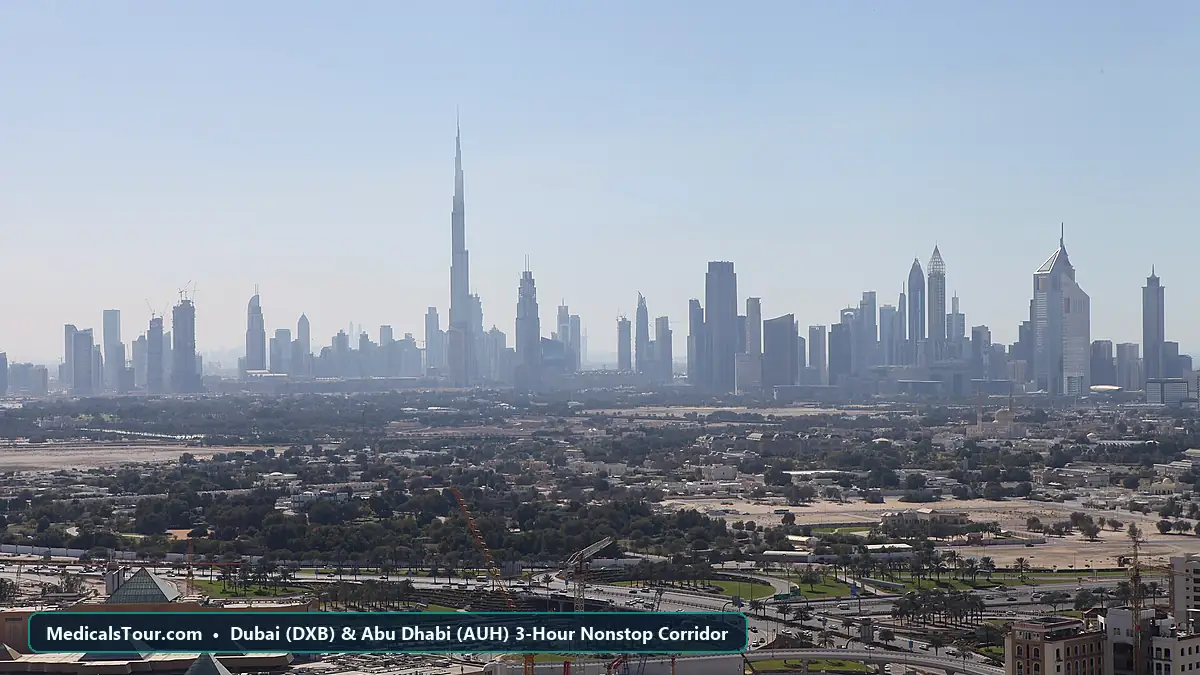
Because India’s standard e-Medical Visa for Oman, UAE & GCC Residents grants triple entry within 60 days (and regular paper Medical Visas allow multiple entries across 6 to 12 months), patients commuting on short 3-hour flights from DXB, AUH, MCT, DOH, or KWI for three-weekly immunotherapy infusions can clear immigration smoothly on repeat visits. Around Four Bungalows in Andheri West (Mumbai) and Rajendra Place/Karol Bagh (New Delhi), serviced 1BHK apartments ($48–$110/night) sit within ten minutes of outpatient radiation and day-care chemo bays, offering halal home-style cooking and elevator step-free access.
Packing Pathology Wax Blocks, Cold-Chain Biologics & Safe Post-Op Return Flights
Before departing your Gulf hospital for Mumbai or New Delhi, insist on collecting your original formalin-fixed paraffin-embedded (FFPE) tissue blocks from the pathology laboratory—not merely stained glass slides or a two-page PDF report. Stained glass slides allow visual second-opinion microscopy, but extracting fresh DNA and RNA for 500-gene NGS sequencing or running 12-marker immunohistochemistry panels requires unstained 5-micron ribbons sliced directly off the wax block. Carry the wax blocks inside your air-conditioned cabin bag alongside a stamped pathology release note.
When flying home after oncology treatment, follow three aviation safety checkpoints:
- Cold-Chain Biologic Transport (2°C to 8°C): Never pack temperature-sensitive monoclonal antibodies or injectable biologics inside checked suitcases (where tarmac heat or freezing unheated cargo bays destroy protein folding), and never press vials directly against dry ice that freezes liquid vials solid. Use a validated medical insulated cooler with conditioned gel packs, a digital min/max thermometer strip, and a signed hospital airline cold-chain letter.
- Post-Laparoscopy / Post-Thoracotomy Cabin Timing: Wait at least 7 to 10 days after robotic abdominal surgery—and 14+ days with clean repeat chest X-ray after lung lobectomy—before flying at 8,000-foot cabin pressure, using prophylactic enoxaparin or direct oral anticoagulants as prescribed to prevent cancer-associated venous thromboembolism.
- Chemoport Implant Card & Metal-Detector Clearance: Collect your manufacturer’s wallet PowerPort ID card confirming 3-Tesla MRI conditional safety and high-pressure contrast CT rating so nurses in Riyadh, Dubai, or Muscat use proper non-coring Huber needles rather than standard intravenous cannulas during port flushes.
Families managing palliative pain regimens—such as transdermal fentanyl patches or oral sustained-release morphine—must pay extra attention to strict narcotic import laws at UAE, Saudi, Qatari, and Kuwaiti airports: carry minimal transition quantities accompanied by a notarized, Ministry/Embassy-attested medical necessity certificate, or arrange pre-arrival prescription continuity directly with a licensed Gulf hospital pain clinic before boarding.
In Medical Tour’s patient-outcome tracking, families who request a formal pre-arrival Zoom consultation with both surgical and medical oncology leads save an average of five hotel nights before treatment begins. Explore all Middle East routes on our Medical Corridors Hub and map out complete diagnostics, surgery, and apartment stays in our Medical Trip Budget Planner.