Board an evening Emirates, Oman Air, or Qatar Airways departure out of Dubai, Muscat, or Doha at 7:00 PM after closing your laptop for the week, and you are checking into a sea-facing suite on Mumbai’s Marine Drive or opposite South Delhi’s Select CITYWALK before midnight. By 7:30 AM the next morning, a dedicated concierge nurse escorts you into a private executive diagnostic lounge—zero public waiting rooms, zero paper clipboards, and zero rushing between clinics across town. Over the next nine hours, high-field 3-Tesla whole-body diffusion MRI, ultra-low-dose dual-source or 640-slice CT coronary angiography, liver elastography, and advanced cardiometabolic lipidomics map silent plaque and sub-centimeter tumors years before symptoms ever surface.
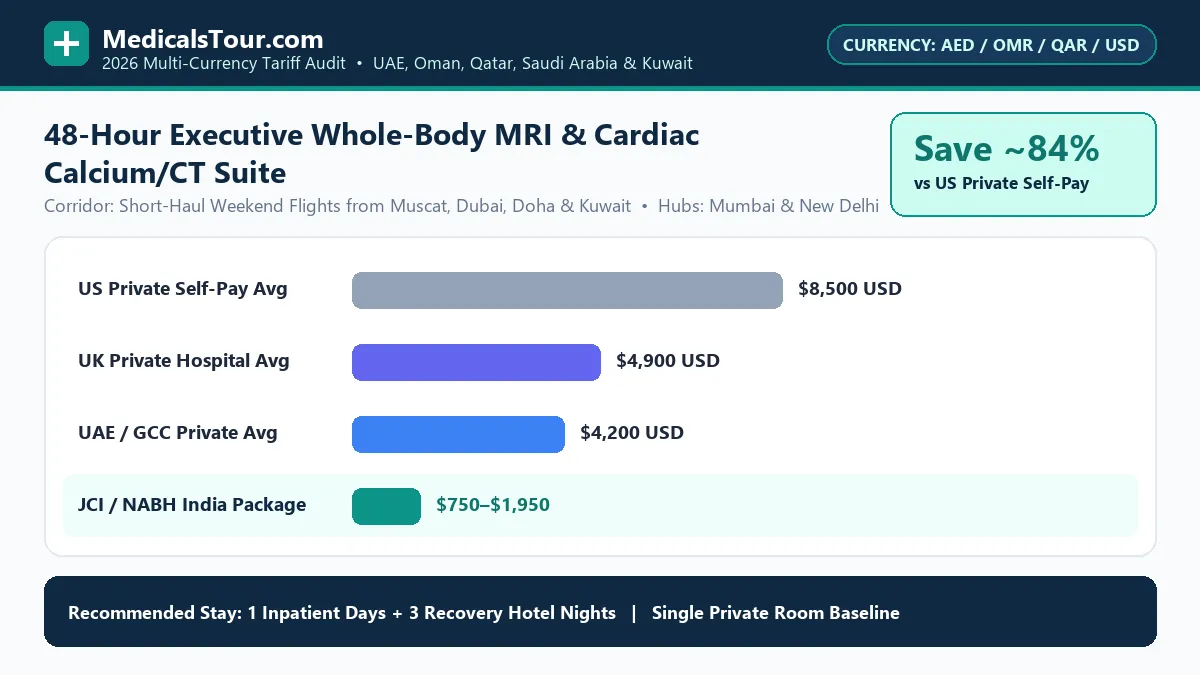
Senior founders, family-office principals, ministry directors, and oil-and-gas executives across the Gulf used to fly seven hours to Zurich, Munich, or London every two years, paying $7,500 to $12,000 USD for longevity screening bundles that often omitted contrast coronary CT unless billed extra. Today, Mumbai and New Delhi JCI flagship hospitals run identical Siemens Magnetom Vida / Lumina 3T MRI platforms and ultra-fast multi-detector cardiac CT scanners at $750 to $1,950 USD (2,755–7,160 AED / 290–750 OMR)—turning an annual deep-imaging audit into an effortless three-day Gulf weekend.
Drawing on Medical Tour’s 2026 audit of executive preventive lounges across Mumbai and New Delhi, this playbook explains what separates genuine deep-imaging longevity medicine from superficial corporate blood panels, how radiation-free whole-body MRI pairs with coronary plaque quantification, exact AED/OMR/QAR package tiers, and how 72-hour schedules accommodate unexpected incidental findings.
Why Standard ‘Corporate Health Checkups’ Miss Silent Gulf Killers
Walk through the fine print of a typical 4,500 AED corporate executive checkup in Dubai, Riyadh, or Kuwait City, and a sobering clinical reality jumps off the page. Aside from a resting 12-lead ECG, a treadmill stress test (which notoriously misses up to 35% of non-obstructive vulnerable soft coronary plaques until a plaque ruptures acutely), a basic abdominal ultrasound, and a two-view chest X-ray, most standard packages rely almost entirely on routine fasting blood chemistry.
Across the Arabian Peninsula—where premature metabolic syndrome, familial hypercholesterolemia, visceral fatty liver (MASH), and silent coronary artery disease strike executives in their early forties rather than their late sixties—waiting for a treadmill ECG to turn positive or liver transaminases (ALT/AST) to rise means intervening ten years too late. A 46-year-old executive in Muscat or Doha can jog 5 kilometers comfortably and post a “normal” total cholesterol of 195 mg/dL while carrying high-risk, lipid-rich non-calcified plaque across the proximal left anterior descending (LAD) coronary artery or early stage-I renal cell carcinoma invisible on routine ultrasound.
True longevity diagnostics in 2026 rest on four quantitative pillars performed under one hospital roof in Mumbai or South Delhi:
- Anatomical Coronary Luminal & Plaque Imaging: 640-slice or Dual-Source ECG-gated CT Coronary Angiography plus Agatston Calcium Scoring—visualizing exact vessel-wall soft and calcified plaque burden in 3D without femoral or radial catheterization.
- Zero-Radiation Whole-Body 3-Tesla MRI Screening (WB-DWIBS): Screening brain parenchyma, Circle of Willis intracranial arteries (MRA for silent aneurysms), neck, liver, pancreas, kidneys, spine, and pelvis/prostate or breast tissue without a single milligray of ionizing X-ray dose.
- Advanced Cardiometabolic & Genetic Risk Biomarkers: Lipoprotein(a) [Lp(a)], Apolipoprotein B (ApoB), hs-CRP, fasting insulin HOMA-IR, homocysteine, NT-proBNP, cystatin-C renal filtration, and thyroid/hormone panels.
- Quantitative Organ Mechanics: FibroScan CAP/kPa liver stiffness elastography, full-body DEXA visceral adipose tissue (VAT) and bone mineral density mapping, carotid intima-media thickness (CIMT) Doppler, and cardiopulmonary exercise physiology.
Adding Lipoprotein(a) and Apolipoprotein B to Gulf executive panels changes preventive cardiology conversations overnight. Roughly one in five residents across the UAE, Oman, Saudi Arabia, and Qatar carries genetically elevated Lp(a) above 50 mg/dL (125 nmol/L)—an inherited, diet-resistant atherogenic particle completely invisible on standard LDL-cholesterol printouts that doubles premature myocardial infarction and aortic valve calcification risk unless countered proactively with aggressive ApoB lowering.
Whole-Body 3T MRI vs PET-CT Screening: Protecting Healthy Executives from Radiation
One of the sharpest clinical errors wealthy self-pay travelers make globally is requesting a “preventive whole-body FDG PET-CT scan” every year when they have zero history of cancer. A diagnostic PET-CT administers both intravenous radioactive fluorine-18 glucose and a full-body computed tomography scan, delivering roughly 14 to 22 millisieverts (mSv) of ionizing radiation—equivalent to more than 700 chest X-rays in a single morning, while still missing many low-glucose-avid prostate, renal, and brain lesions.
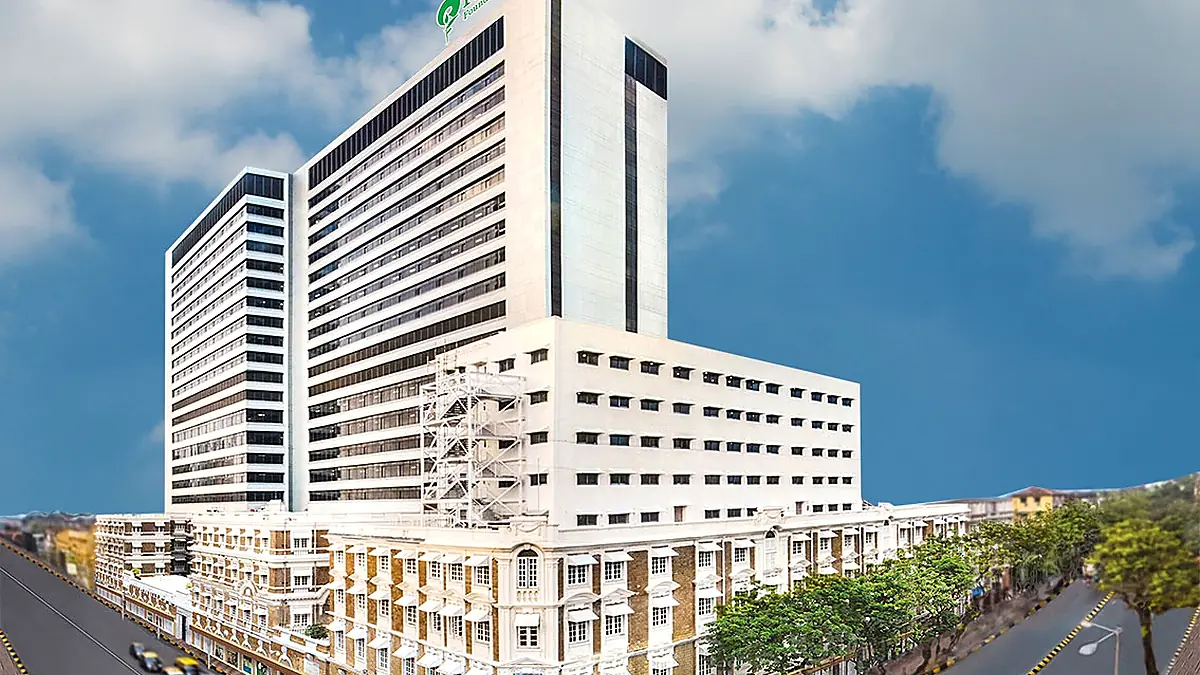
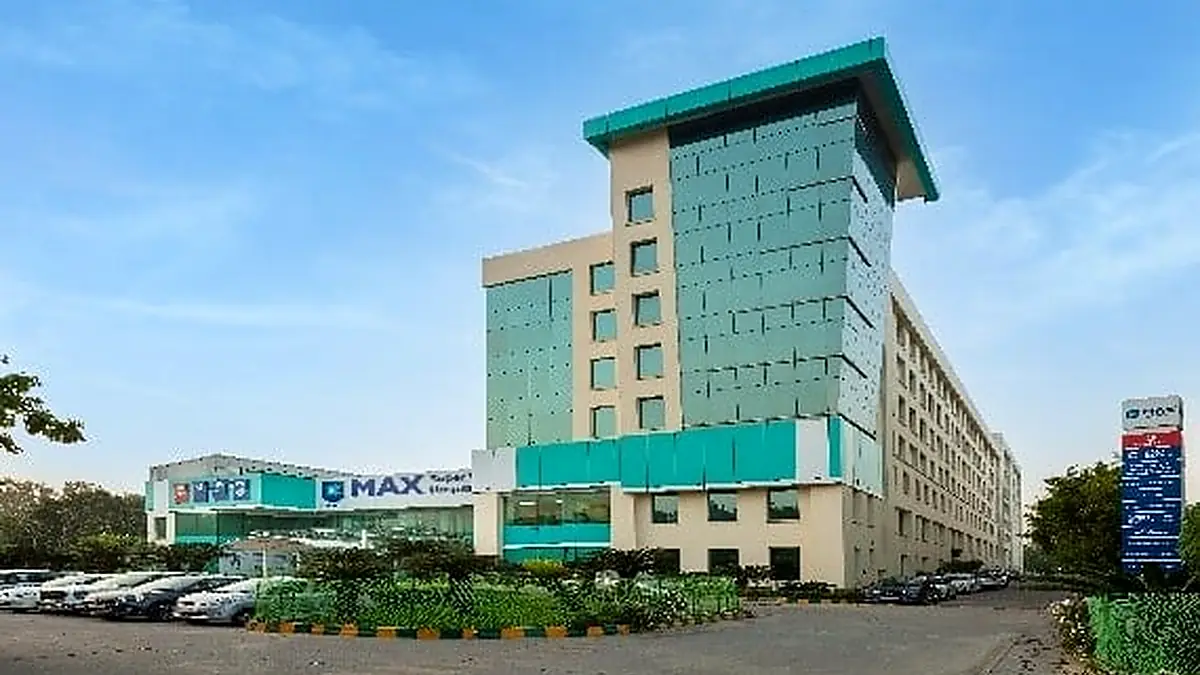
Responsible radiology chairs at Sir H.N. Reliance Foundation Hospital in South Mumbai and Max Super Speciality Hospital, Saket in New Delhi flatly discourage asymptomatic PET-CT screening in healthy individuals. Instead, they deploy Whole-Body 3-Tesla Diffusion-Weighted MRI with Background Body Signal Suppression (WB-MRI / DWIBS).
Using powerful magnetic gradients and radio waves with zero ionizing radiation and typically zero gadolinium contrast for baseline screening, 3T WB-MRI tracks microscopic water-molecule restriction inside hypercellular tissues across head-to-pelvis stations in 45 to 55 minutes—coupled with wide-bore 70 cm quiet-suite magnets, ambient lighting, and noise-canceling headphones so claustrophobic executives rest comfortably.
Where targeted X-ray photons are clinically justified—specifically ultra-fast gated CT Coronary Angiography (now down to just 1.2 to 2.8 mSv on modern dual-source and 640-slice volume detectors, less than annual natural background radiation!) or low-dose lung CT (`0.8 mSv`) for former cigarette, shisha, or medwakh smokers—radiologists tailor the exact protocol to age, smoking history, and baseline renal eGFR during your 8:00 AM physician intake.
Men over age 48 and women over age 40 benefit from dedicated organ sub-sequences bolted onto the whole-body 3T MRI slot: bi-parametric high-resolution Prostate 3T MRI (far more accurate than isolated PSA blood tests at distinguishing harmless benign prostatic hyperplasia from clinically significant Gleason ≥7 lesions) for men, and 3D digital tomosynthesis mammography or contrast-enhanced breast MRI for women with dense fibroglandular tissue.
2026 Executive Longevity Package Tiers in Mumbai & Delhi (USD, AED, OMR & QAR)
Unlike surgical inpatient admissions subject to room-category multipliers, executive preventive bundles are flat outpatient lounge tariffs settled at check-in via international Visa, Mastercard, or Amex. Below are verified 2026 executive tiers across South Mumbai, Bandra/Andheri, and South Delhi.
| Executive Screening Tier | India JCI Lounge Tariff (USD) | Gulf Equivalent (AED / OMR / QAR) | Core Imaging & Biomarker Inclusions |
|---|---|---|---|
| Tier 1: Comprehensive Cardiac & Metabolic Executive | $480 – $780 | 1,765 – 2,865 AED / 185 – 300 OMR / 1,750 – 2,840 QAR | 85+ blood biomarkers (ApoB, Lp(a), HbA1c), 2D Echo, TMT, Carotid Doppler, FibroScan, DEXA, Ultrasound, Audio/Eye & 4 specialist consults. |
| Tier 2: Precision Coronary CT + Metabolic Suite | $850 – $1,250 | 3,120 – 4,590 AED / 325 – 480 OMR / 3,095 – 4,550 QAR | All Tier-1 diagnostics + ECG-gated 640-Slice / Dual-Source CT Coronary Angiogram, Agatston Calcium Score & Senior Interventional Cardiologist review. |
| Tier 3: Presidential Whole-Body 3T MRI + Coronary CT | $1,390 – $1,950 | 5,105 – 7,160 AED / 535 – 750 OMR / 5,060 – 7,100 QAR | All Tier-2 cardiac/metabolic panels + Radiation-Free Whole-Body 3T MRI + Brain MRA (plus Prostate mpMRI for men or 3D Mammogram/Breast MRI for women). |
| Optional Same-Weekend Sedated GI Endoscopy Add-On | +$380 – $620 | +1,395 – 2,275 AED / 145 – 240 OMR / 1,385 – 2,255 QAR | Propofol-sedated narrow-band Gastroscopy + Colonoscopy (recommended age 45+) with same-day polypectomy readiness. |
| Optional CAD/CAM Single-Visit Zirconia Dental Audit | +$120 – $550 | +440 – 2,020 AED / 46 – 212 OMR / 435 – 2,000 QAR | 3D CBCT scan, Airflow guided biofilm scaling, or same-day CEREC zirconia crown/inlay replacement. |
Compare dedicated Omani cardiac diagnostic trips in our Oman-to-Mumbai Cardiac Checkup Guide, inspect surgical coronary benchmarks in our Heart Bypass & Cardiac Cost Guide, or check dental prosthetic add-ons in our Single-Tooth Straumann & Crown Cost Guide.
Many Gulf travelers also append targeted neurological, auditory, and cognitive longevity biomarkers to Tier 3 without lengthening their Day-1 schedule. High-resolution 3-Tesla hippocampal volumetry, Circle of Willis time-of-flight MRA (ruling out silent berry aneurysms in executives with family stroke history or long-standing hypertension), plasma p-tau217 / ApoE genotyping upon clinician request, and optical coherence tomography (OCT) retinal microvascular imaging provide a complete neuro-vascular baseline alongside coronary plaque mapping.
For female Gulf founders, diplomats, and senior executives aged 40 to 65, the Female Presidential Longevity track substitutes prostate sequences with 3D tomosynthesis digital mammography (or contrast breast MRI), transvaginal pelvic ultrasound, liquid-based thin-prep cervical cytology with HPV DNA co-testing, perimenopausal hormone/AMH profiling, and lumbar/femoral DEXA osteoporosis scoring staffed exclusively by female clinicians.
The Hour-by-Hour 72-Hour Gulf Weekend Itinerary (Mumbai Coastal Road & South Delhi)
Whether your Gulf office observes a Friday–Saturday weekend (Oman, Saudi Arabia, Qatar, Kuwait, Bahrain) or a Saturday–Sunday weekend (UAE federal/private schedule), a 72-hour diagnostic trip slots effortlessly around board meetings with zero missed business days when choreographed properly:
| Time Window | Mumbai Option (Reliance Girgaon / South Mumbai) | New Delhi Option (Max Saket / South Delhi) |
|---|---|---|
| Evening 0 (Thu or Fri Night) | 3-hr flight DXB/MCT/DOH/KWI to BOM T2; 30-min Coastal Road transfer to Taj Mahal Palace, Trident Nariman Point, or St. Regis Lower Parel; begin 10-hr water-only fast at 9:30 PM. | 3.5-hr flight to DEL T3; 25-min transfer to Sheraton New Delhi Saket or Taj Palace; light dinner before 9:30 PM water-only fast begins. |
| Day 1: 7:30 AM – 10:30 AM | Private lounge check-in; fasting venipuncture, ultrasound, FibroScan, oral beta-blocker heart-rate prep (target <60 bpm) & 640-slice CT Coronary Angiogram, followed by chef-prepared halal breakfast. | Executive suite intake; fasting lipidomics/hormone draw, DEXA VAT scan, gated CT Coronary Angiogram & private halal gourmet breakfast tray. |
| Day 1: 11:00 AM – 4:30 PM | 50-min Whole-Body 3T MRI + Brain MRA, 2D Echo, Carotid Doppler, Ophthalmology retinal OCT, Audiometry & Dental CBCT. Evening free at Colaba / BKC. | Whole-Body 3T MRI, Pulmonary Function, Stress Echo & Preventive Cardiology prelim review. Evening stroll at Select CITYWALK right across Press Enclave Road. |
| Day 2: Morning (9:30 AM – 1:00 PM) | Optional propofol colonoscopy OR 60-minute sit-down synthesis with Lead Physician, Cardiologist & Longevity Nutritionist reviewing 3D PACS images line by line. | Final biomarker review, statin/PCSK9/GLP-1 optimization roadmap, cloud DICOM archive delivery & afternoon leisure or shopping. |
| Day 3: Afternoon Return | Late hotel checkout; 3-hr afternoon nonstop flight back to Dubai, Abu Dhabi, Muscat, Doha, or Kuwait. | Afternoon nonstop return from DEL T3, home in your Gulf villa before dinner. |
Mumbai’s newly opened Dharmaveer Swarajya Rakshak Chhatrapati Sambhaji Maharaj Coastal Road and Bandra-Worli Sea Link have slashed transfer times dramatically for Gulf business travelers landing at Terminal 2: what used to be a sluggish 75-minute commute down toward Girgaon, Worli, and Nariman Point now takes barely 28 to 35 minutes outside peak rush, letting executives combine morning radiology at Sir H.N. Reliance Foundation Hospital with relaxed seafront dining at Colaba or Bandra Kurla Complex.
Managing ‘Incidentalomas’ Calmly: What Happens If Your Scan Spots a Plaque or Nodule?
High-resolution 3-Tesla MRI and 640-slice cardiac CT carry one well-documented clinical trade-off: because they resolve two-millimeter structures across every organ, roughly 25% to 35% of healthy 50-year-old executives show benign incidental findings (“incidentalomas”)—such as simple hepatic hemangiomas, Bosniak-I renal cysts, small thyroid colloid nodules, or mild non-obstructive 30% calcified coronary plaque.
Having your executive checkup inside a full-scale quaternary JCI hospital rather than a standalone diagnostic strip-mall clinic solves both sides of that coin:
- Zero Alarmist Over-Testing on Benign Lesions: Sub-specialized organ radiologists (dedicated neuroradiologists, abdominal MRI fellows, and cardiac imagers—not generalist readers) classify incidental findings strictly under ACR TI-RADS, PI-RADS v2.1, Bosniak, and CAD-RADS 2.0 scoring systems right on Day 2, reassuring you immediately when a 5 mm liver hemangioma requires zero biopsy and zero anxiety.
- Immediate Same-Hospital Escalation When Actionable Disease Appears: Conversely, if your Friday morning CT Coronary Angiogram uncovers a silent critical 85% ostial LAD stenosis, or your colonoscopy spots a 15 mm sessile serrated adenoma, you do not have to fly home terrified and start over. At Reliance Foundation Hospital or Max Saket, an interventional cardiologist can perform radial-artery Fractional Flow Reserve (FFR) and drug-eluting stent placement—or a gastroenterologist can complete endoscopic mucosal resection—the very next morning under the same roof.
Sleep medicine and metabolic GLP-1/GIP longevity consultations represent another popular Day-2 add-on for senior Gulf leaders. Executives struggling with nocturnal snoring, fragmented business-class sleep, or stubborn central adiposity can append an overnight wireless home-style polysomnography sensor inside their Mumbai or Delhi hotel room ($180–$260), waking up to an exact apnea-hypopnea index and endocrinologist-guided metabolic roadmap before Sunday departure.
Visa Class Nuances (e-Tourist vs e-Medical) & Fasting Medication Prep Before Flying
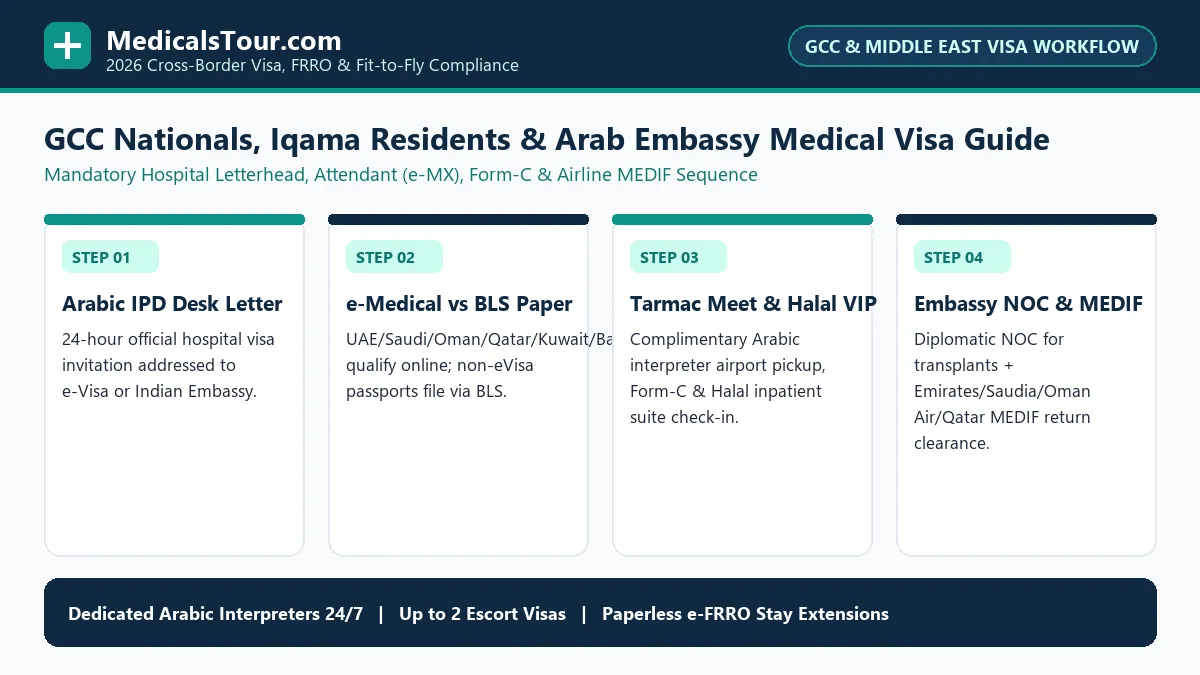
Picking the right Indian electronic visa category for a three-day preventive weekend takes two minutes of forethought. Under Indian Bureau of Immigration rules, travelers flying purely for leisure combined with a routine wellness/preventive screening sometimes hold an existing 1-year or 5-year multi-entry Indian e-Tourist Visa; however, if the primary purpose of your trip is a hospital-booked diagnostic workup—or if there is any chance you may stay an extra four days for an interventional coronary angiogram, GI polypectomy, or prostate MRI fusion biopsy—obtaining the 60-day triple-entry e-Medical Visa backed by the hospital’s appointment letter is the cleanest path so inpatient admission is never delayed by visa-conversion paperwork. Review the 48-hour online process in our India e-Medical Visa Guide for Oman, UAE & GCC Travelers.
Follow four clinical preparation rules 48 hours before your checkup morning:
- Hold Metformin Prior to Iodinated Contrast CT: If you take metformin (Glucophage) or metformin-combination tablets for diabetes or pre-diabetes, ask the executive coordinator whether to pause metformin on the morning of your CT Coronary Angiogram and for 48 hours afterward pending baseline serum creatinine/eGFR verification.
- Avoid Caffeine & Sildenafil/Tadalafil Before Cardiac CT: Skip coffee, black tea, energy drinks, and nicotine for 12 hours pre-scan (caffeine elevates heart rate and degrades coronary CT motion sharpness), and strictly avoid PDE-5 inhibitors (Viagra/Cialis) for 48 hours in case sublingual nitroglycerin is administered during coronary vasodilation before the scan!
- Take Regular Blood-Pressure Tablets with One Sip of Water: Unless instructed otherwise, morning antihypertensives or beta-blockers keep resting pulse calm for crisp gated cardiac imaging.
- Couple Bookings: Spouses traveling together can book synchronized male/female executive tracks, with female guests assigned an all-female breast imaging, DEXA, and gynecology team inside a separate curtained wing.
Travelers wearing implantable medical electronics or metallic orthopedic hardware should flag device details 72 hours ahead of arrival as well. Modern titanium dental implants, coronary stents, and ceramic/titanium joint replacements are overwhelmingly safe inside 3-Tesla magnets, whereas older non-MRI-conditional cardiac pacemakers, cochlear implants, or retained metallic orbital fragments require switching your protocol to a dedicated 1.5-Tesla MR-conditional sequence supervised by a cardiac electrophysiology technician or non-magnetic multi-detector CT alternative.
Similarly, executives with known iodine dye allergies or stage-3 chronic kidney disease (eGFR below 45 mL/min) skip iodinated CT Coronary Angiography contrast while still receiving non-contrast Agatston Coronary Calcium Scoring, stress echocardiography, and zero-contrast Whole-Body 3T Diffusion MRI.
Taking Home Actionable Data: PACS Cloud Links, ApoB Targets & Annual Baselines
A preventive checkup is worthless if you fly back to Dubai, Riyadh, or Muscat carrying only a glossy 40-page binder of numbers without longitudinal digital image files. Five years from now, if a radiologist in Abu Dhabi or London sees a 4 mm lung micronodule or an 8 mm pancreatic side-branch cyst, the single question that spares you open surgery is: “Was this exact spot identical on your 2026 Mumbai 3T MRI?”
Before departing the executive lounge on Day 2, verify that your coordinator hands you both an encrypted permanent cloud PACS link and a USB/SSD copy containing the complete raw DICOM series of your Whole-Body 3T MRI and 640-slice Coronary CT—alongside a structured 12-month cardiometabolic action memo targeting ApoB < 60–70 mg/dL (depending on CAD-RADS plaque score), HbA1c < 5.6%, and visceral fat reduction benchmarks.
Corporate human-resources and family-office directors in Dubai International Financial Centre (DIFC), Abu Dhabi Global Market (ADGM), Muscat, and Doha frequently arrange annual group agreements directly with Reliance Foundation Hospital or Max Healthcare for five to fifteen C-suite partners at once. Direct corporate desk billing waives administrative registration fees, assigns a dedicated Arabic/English concierge physician to manage calendar slots weeks ahead, and ensures confidential individual reports are released strictly to each executive rather than pooled HR folders.
Across Medical Tour’s Gulf executive cohort reviews, couples who pair a biennial Presidential 3T MRI + Coronary CT weekend in Mumbai or South Delhi save over $11,000 USD per trip compared with Swiss longevity clinics while building an unbroken digital baseline at a single JCI institution. Browse related short-haul Gulf guides on our Medical Corridors Hub and estimate flights, five-star hotel nights, and add-on diagnostics inside our Medical Trip Budget Planner.